On the plant floor, downtime and exposure incidents hit the bottom line hard. When you’re running UVC curing in compact or semi-closed lines, ozone isn’t some abstract risk. It’s a real worker-safety and compliance issue that can shut you down.
What matters, technically
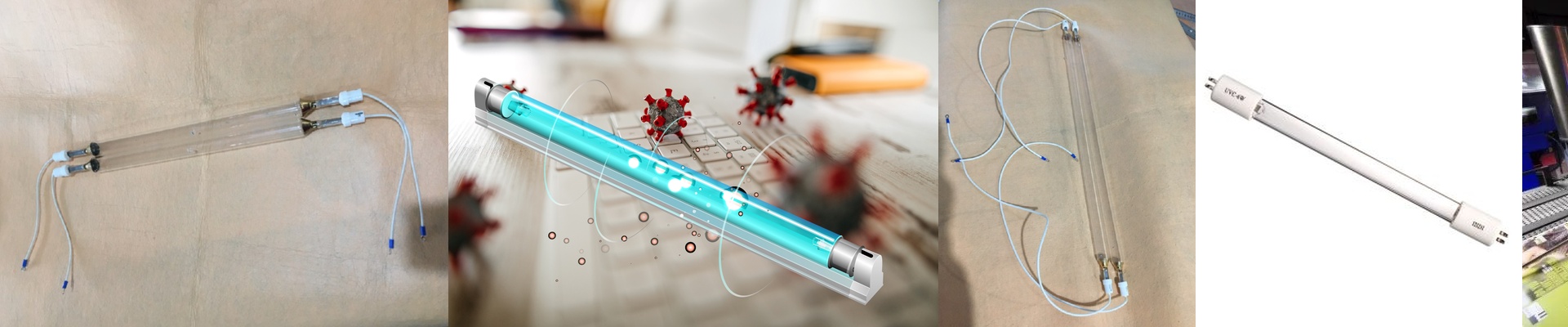
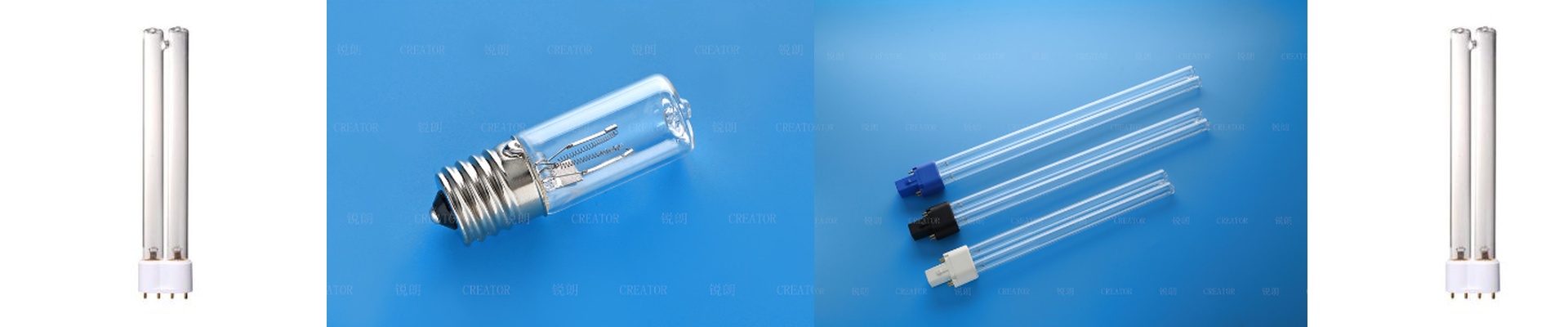
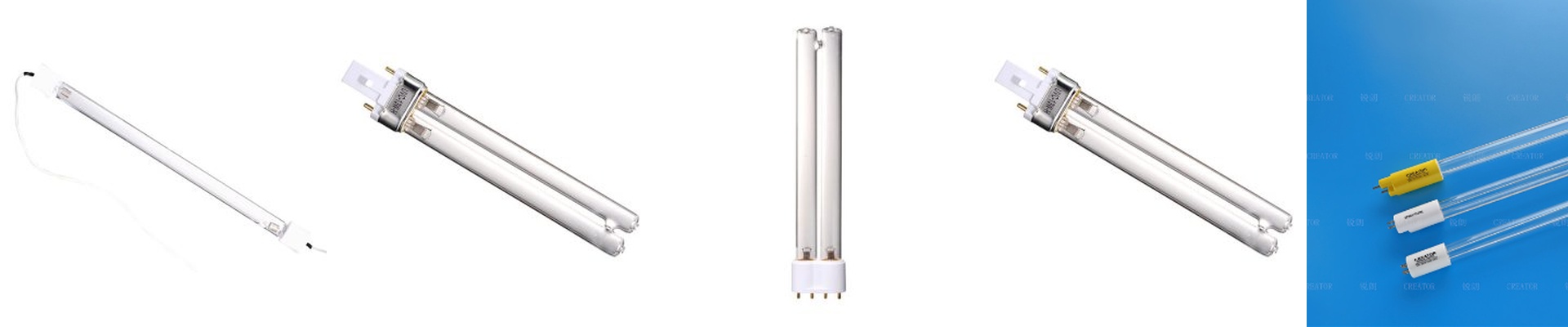
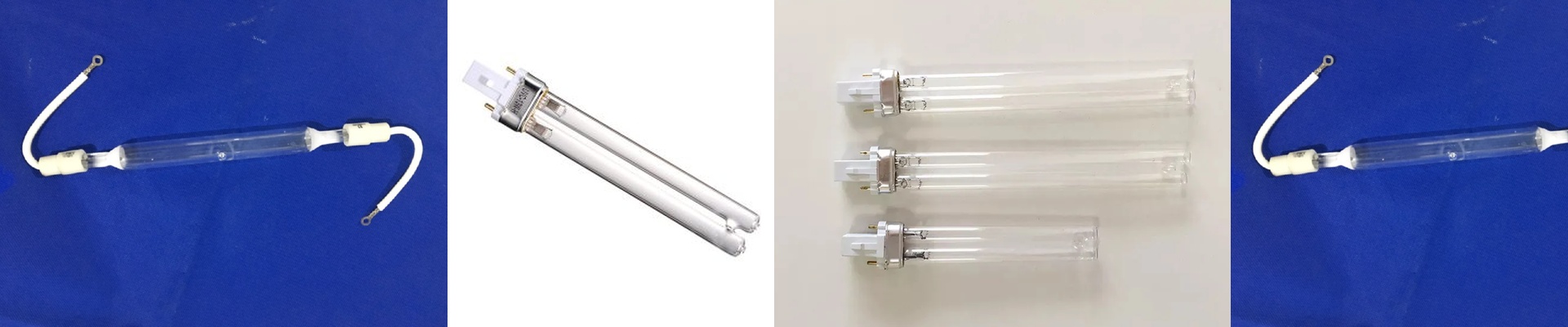
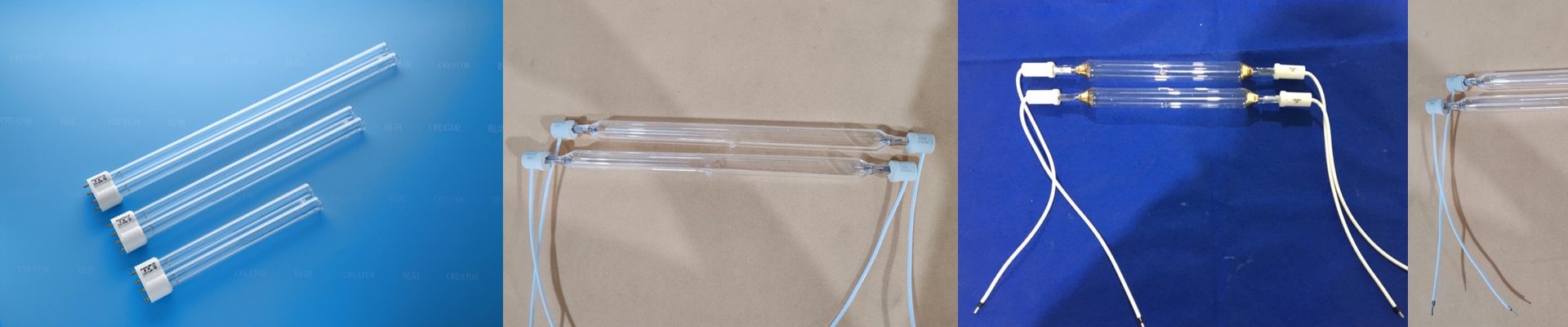
We use single-ended UVC lamps with ozone-free quartz glass. It’s engineered to block the 185nm line while keeping output strong in the 254nm band. That’s the practical payoff: you get the germicidal and curing action you need without making ozone that irritates airways and causes respiratory problems. The lamp geometry and internal mercury vapor discharge are tuned for stable arc stability, so peak irradiance stays consistent across line speeds. In practical terms, that means repeatable energy density at the substrate and fewer rejects from under-cure.
Why this works in the real layout
In tight-space UVC setups—whether it’s a narrow-web line or a spot-cure station—operators are right up next to the source. Ozone-free operation keeps their breathing zones clean without adding filtration headaches. Across our installed base, we’ve seen consistent performance to 8,000 hours, with output drift under 10%. That gives you predictable lamp replacement scheduling and a lower overall cost of ownership. You keep the process stable, and you keep the air safe.
The things you need to know
Ozone-free quartz is a bit less efficient in total UV power than ozone-generating grades, so double-check your dose requirement and reflector efficiency. These single-ended lamps are also sensitive to orientation—run them only in the specified position to keep arc stability and rated life where they should be. Match the base, pin spacing, and voltage to your fixture. If you don’t, you’ll end up with poor contact and hot spots.