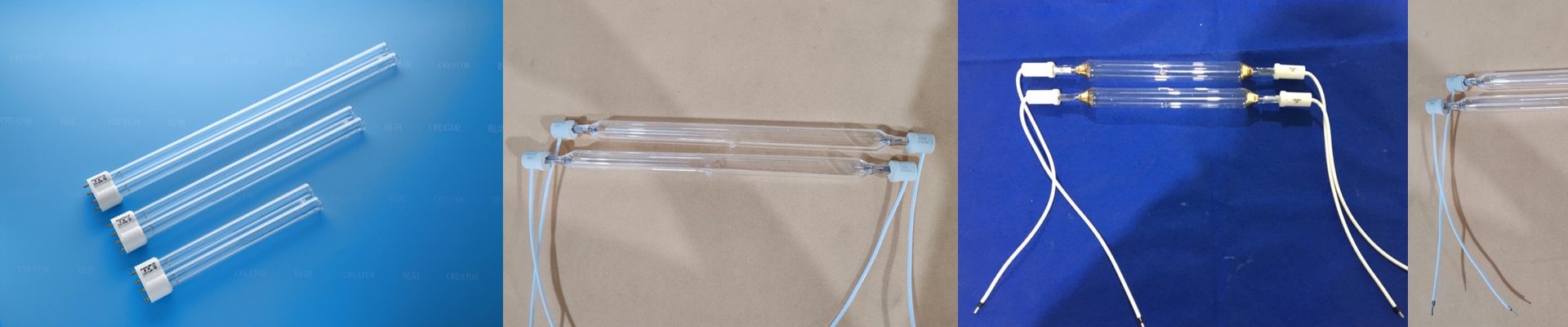
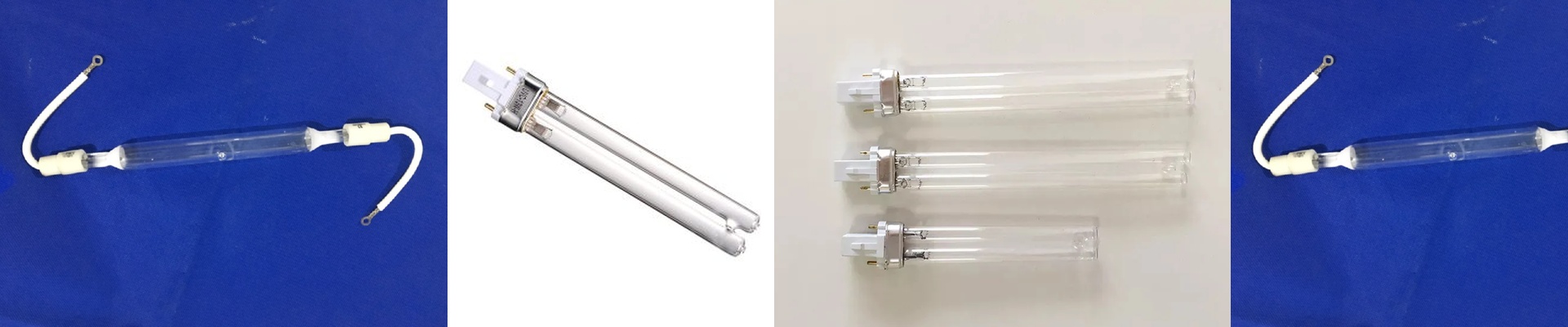
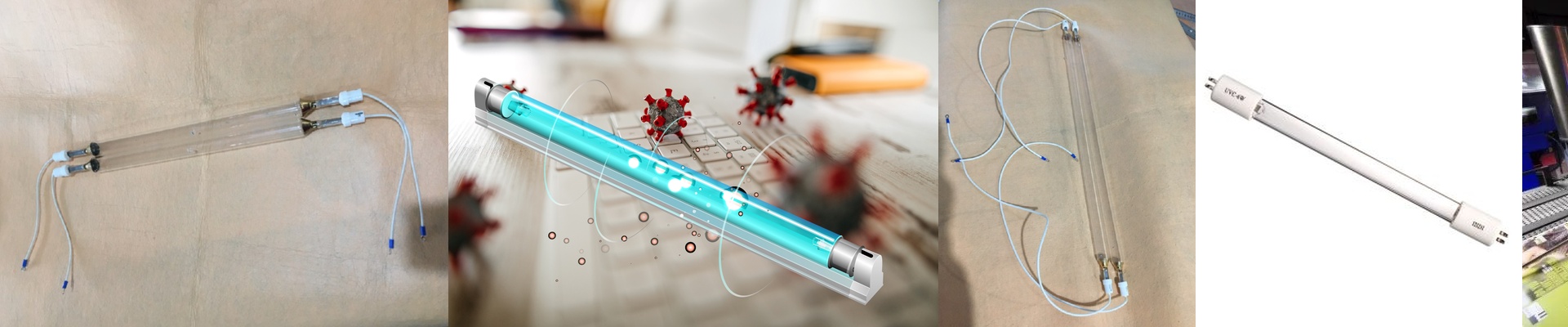
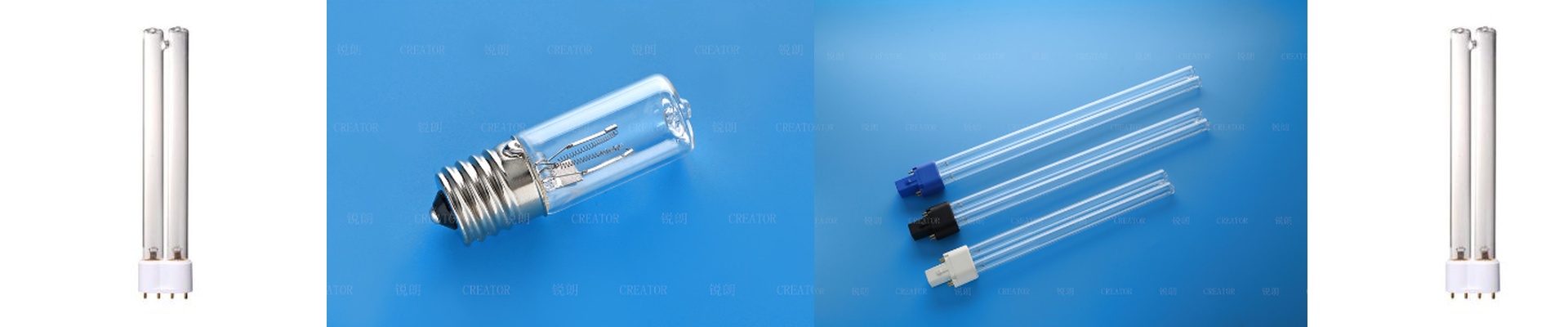
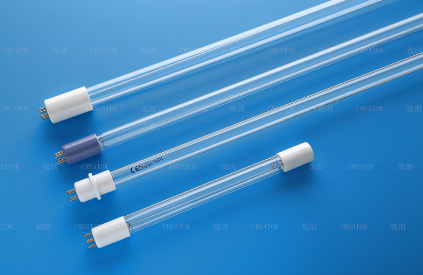
At the 2026 print show, everyone kept drifting back to one demo: our custom gallium UV lamp modules curing offset plates on the fly. And not because of hype—because you could measure it. Consistent spectral output. Repeatable energy delivery. The kind of performance that holds up on the press, not just in the booth. What actually matters under the hood We built these gallium-doped mercury vapor lamps around the offset plate chemistry that really sings at 365 nm, with a secondary shoulder around 385 nm to finish the cure without cooking the substrate. At a 10 mm working distance, peak irradiance hits 1200 mW/cm², delivering 800–1200 mJ/cm² in a single pass. The dichroic-coated reflector keeps the spectrum tight, so you get photoinitiator absorption where it needs to be and less wasted IR. Power density is set to 120 W/cm along the arc length, and arc stability holds steady from 85–95% of rated power. You can count on 3000 hours at full output before output drops by 5%, and we provide lamp-to-ballast matching data so your drive current stays inside the lamp’s rated window. Why it clicks on the shop floor When you’re running live show work, plate cure speed is the bottleneck. This module bumps plate throughput without beating up dot integrity, because the spectral match keeps thermal load off thin aluminum and polyester plates. Makereadies come faster, under-cure rejects drop, and you get stable cure across sheet widths up to 1200 mm—as long as the reflector geometry is right. Compared to broadband mercury systems, energy draw goes down, and lamp changes happen less often. Fewer stops. Fewer spares on the shelf. What to watch for when you bolt it in Installation is straightforward, but you have to verify ballast compatibility. Match RMS current, open-circuit voltage, and ignition profile to the lamp’s arc length and electrode design. Double-check reflector focal distance and cooling airflow—under peak irradiance, airflow needs to keep reflector temperatures under 150 °C to protect the dichroic coating. Give the lamp 2–3 minutes to warm up to rated output, and set the lamp orientation so you don’t shadow the plate edge.