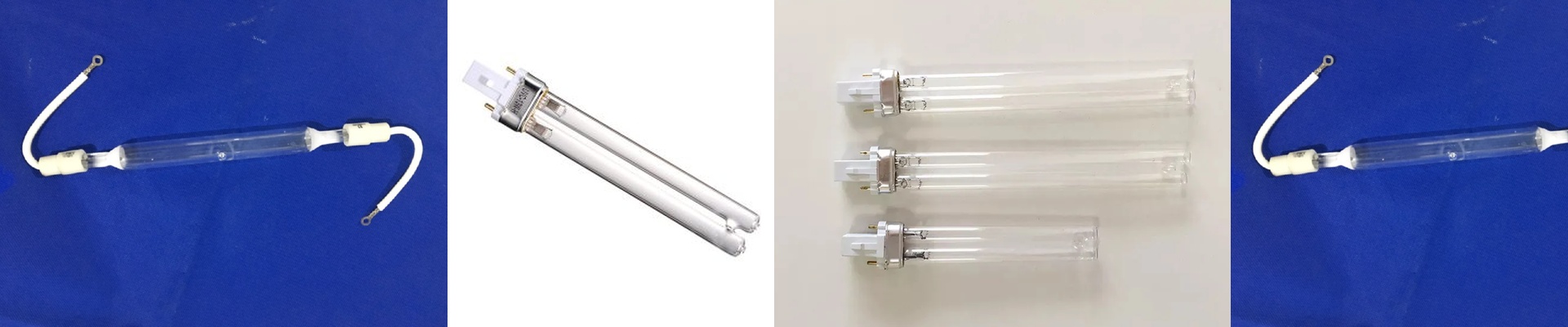
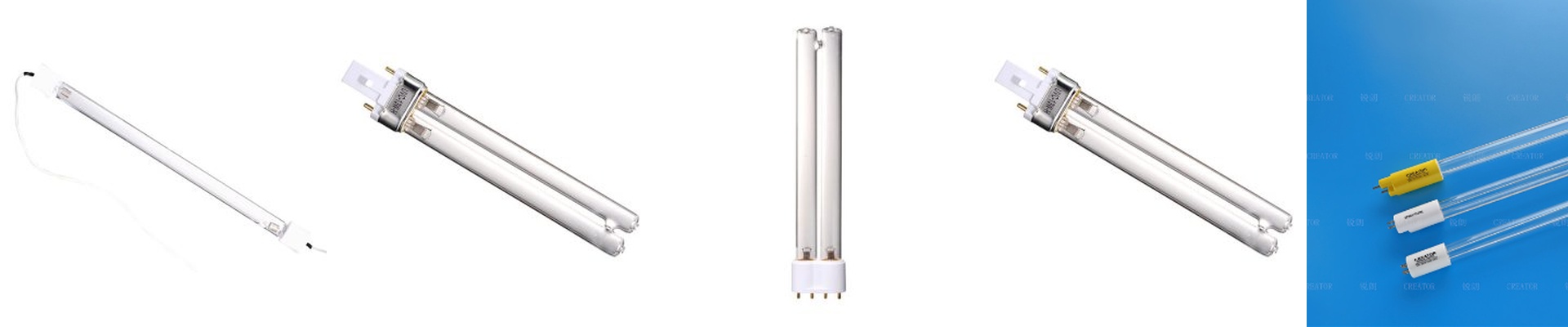
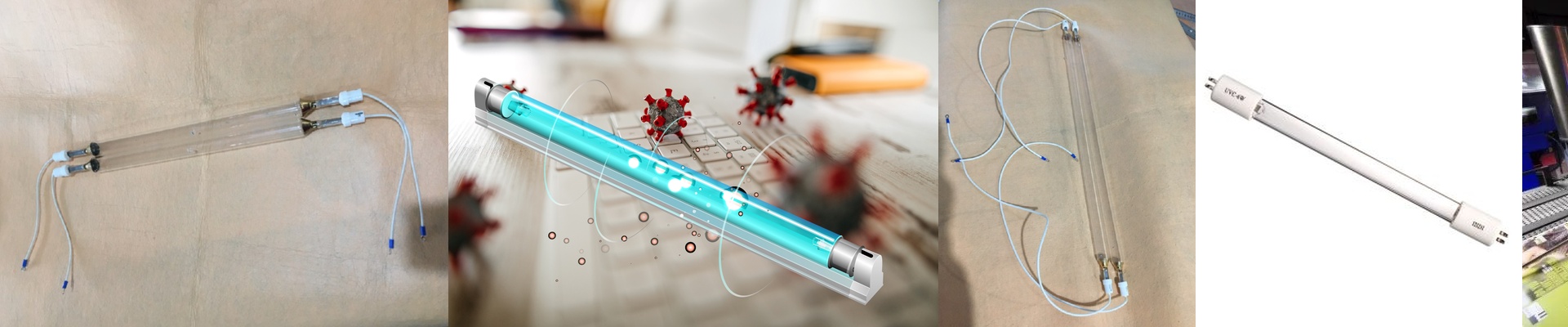
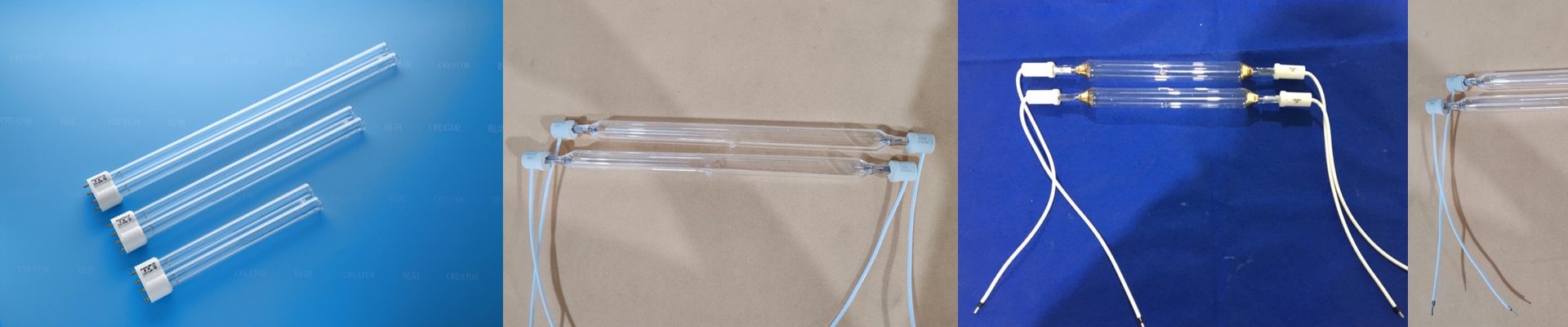
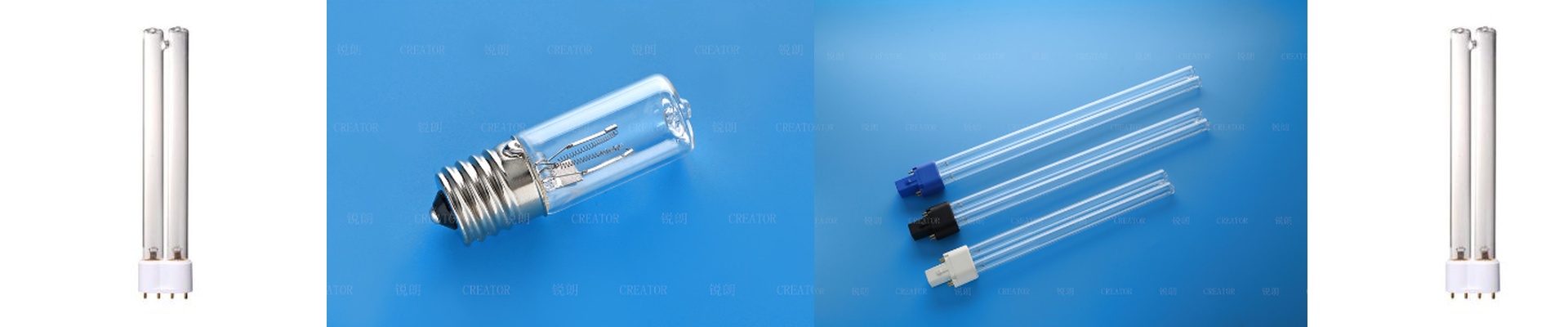
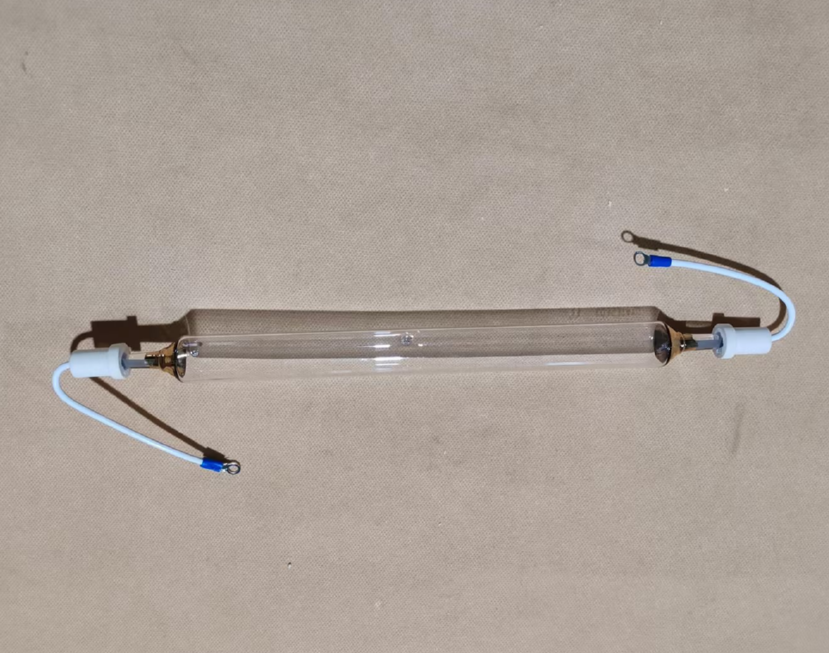
On the floor, a UV curing line doesn’t have time for lamp output to drift. You need irradiance at 254nm that’s repeatable, shift after shift. More often than not, the bottleneck isn’t the power supply — it’s the quartz envelope. Cheaper quartz carries impurities that eat UV, run hotter, and kill output faster. So we spec 99.99% purity. What matters, technically Our hot cathode UV germicidal lamps use a low-pressure mercury vapor discharge in a hot-cathode design. That gives you fast ignition and a stable arc. The 99.99% fused quartz transmits short-wave UVC with minimal absorption, so peak irradiance stays consistent across the envelope. You get stable spectral output, low attenuation, and a life you can plan around. Under rated conditions, initial output holds within tight tolerances, with less than 5% drop after 5,000 hours. If you specify the right coating, the envelope supports ozone-free operation — which keeps the air in the work area cleaner. Why this works where it counts In industrial UV curing and disinfection, spectral consistency is what controls cure depth and uniform cross-linking. Stable 254nm output means photoinitiator activation stays the same from job to job. Rejects drop, and your process window stops shrinking. Cycle times improve because the lamp hits stable output quickly, and you spend less time chasing drift. Energy use stays flat, and lamp changes come less often — which cuts downtime and maintenance labor. A few shop-floor details Hot cathode lamps need ballasts that are truly matched, and you have to keep electrode temperature under control. Otherwise, you’re buying early end-of-life. Reflector geometry and alignment matter, too — a mis-positioned reflector will give you hot spots and uneven irradiance. Match the lamp to the fixture: voltage, connector, and cooling profile. Make sure your radiometer can measure 254nm with the spatial resolution you actually need. Treat lamp output as part of the system — not a standalone spec.