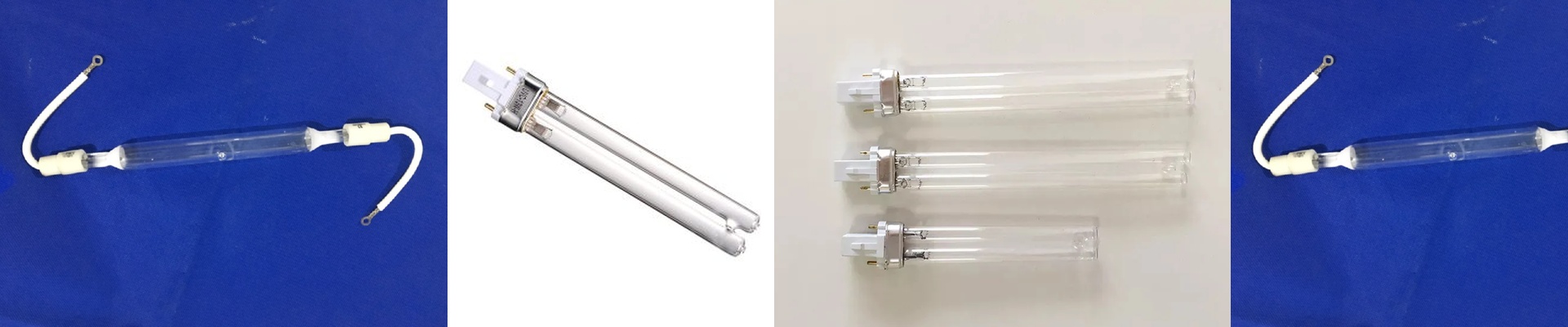
On a high-speed screen line, the whole point is flow. “Spray and dry” isn’t a slogan—it’s a bottleneck you live with. When the press slows, it’s almost always the curing step that’s the limiter: the UV output just can’t keep up with the cylinder speed.
What actually matters under the hood
A UV lamp doesn’t just fire up and hold steady by itself. The ignition circuit needs a capacitor to deliver a controlled, high-energy pulse to strike the arc. Then that same capacitor helps hold lamp voltage steady when line voltage jumps around. In a high-response UV system, the capacitor has to support fast re-strike and consistent ignition energy. Otherwise you get flicker and dropouts—and incomplete cross-linking right when you can least afford it. Spec the capacitor to match the lamp driver and reflector assembly. Go with a voltage rating that exceeds the lamp operating voltage by a comfortable margin, and size the current handling for the peak ignition demand. That’s how you keep spectral output stable—whether you’re leaning on 365nm, 385nm, or 405nm—so the ink’s photoinitiators get a predictable dose.
Why this matters on a screen press
Screen printing doesn’t have time for warm-up. You need instant cure to keep dot fidelity and avoid off-register issues. With a capacitor-backed circuit, the lamp comes up to full intensity quickly, so you can hit curing energy density of 500–1200 mJ/cm² at the substrate with minimal delay. The payoff is simple: the line runs uninterrupted. You get higher throughput, fewer rejects from tackiness, and less waste caused by curing bottlenecks.
The details that bite you if you ignore them
Capacitor selection isn’t one-size-fits-all. Match capacitance and voltage to the lamp ballast, igniter, and reflector design. Temperature and airflow matter, too—capacitors age faster when they run hot, and the heat from the lamp assembly makes that worse. Before you order, verify connector type, terminal spacing, and mounting clearance against the existing lamp module. No one wants to rework the bracket or rewire the igniter in the middle of a run. When the capacitor and circuit are properly aligned, the lamp fires when it’s supposed to, and the press keeps moving.