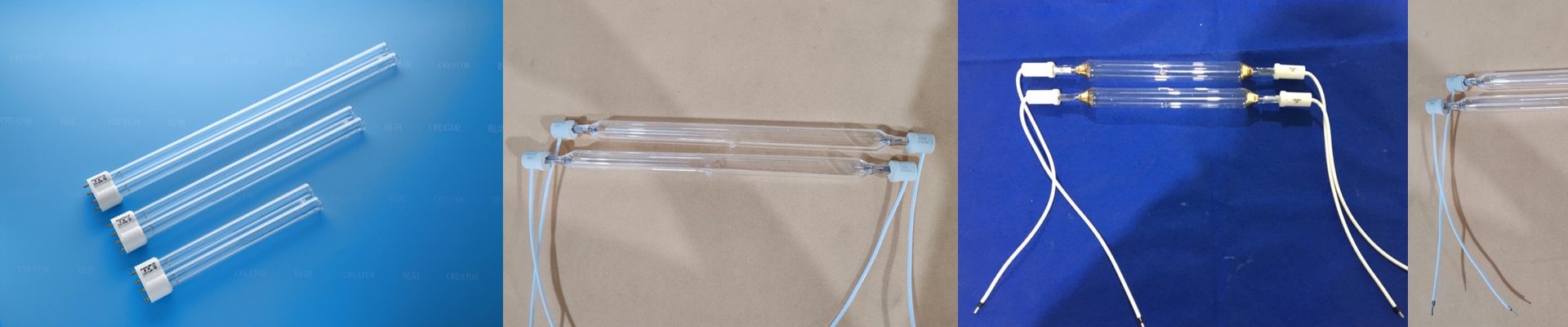
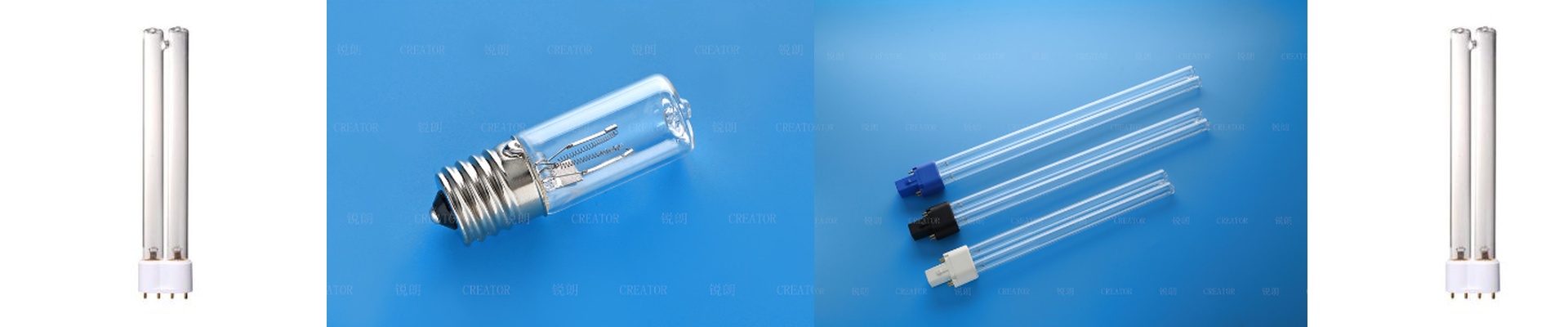
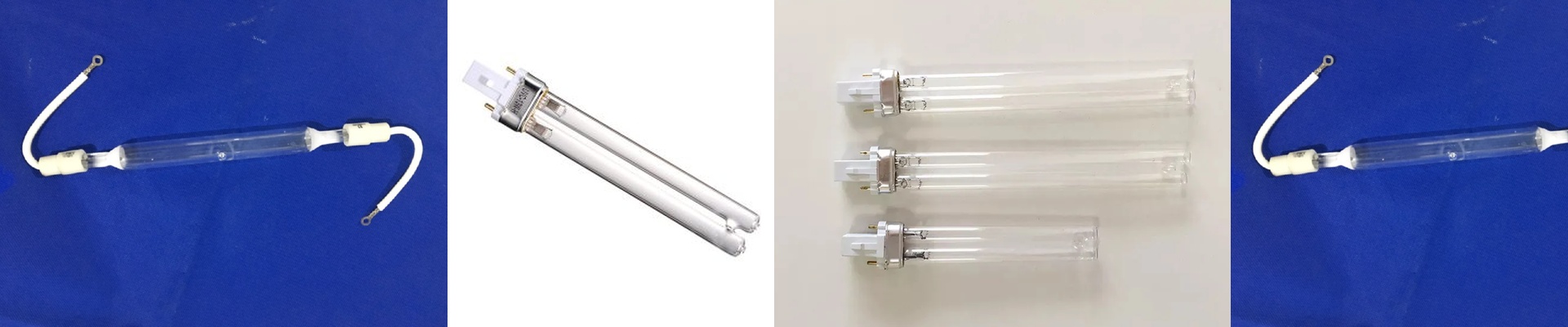
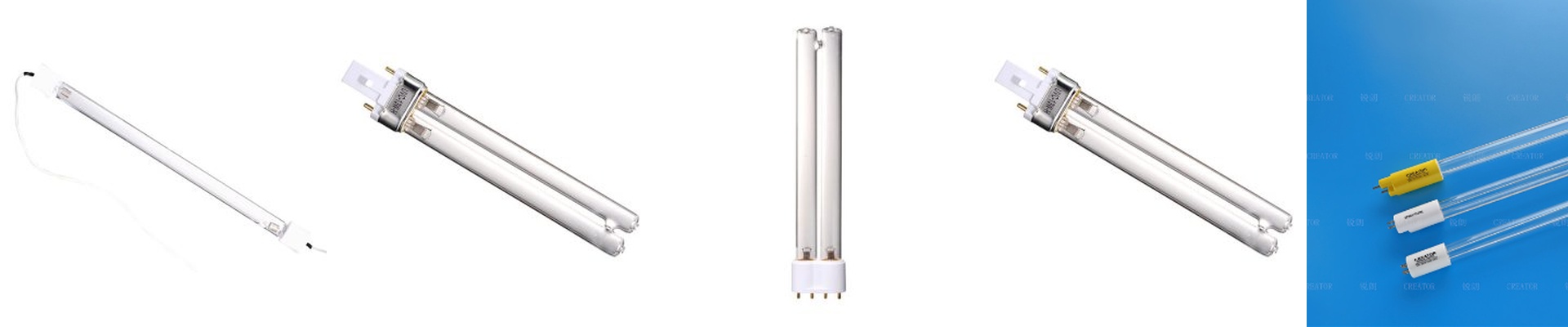
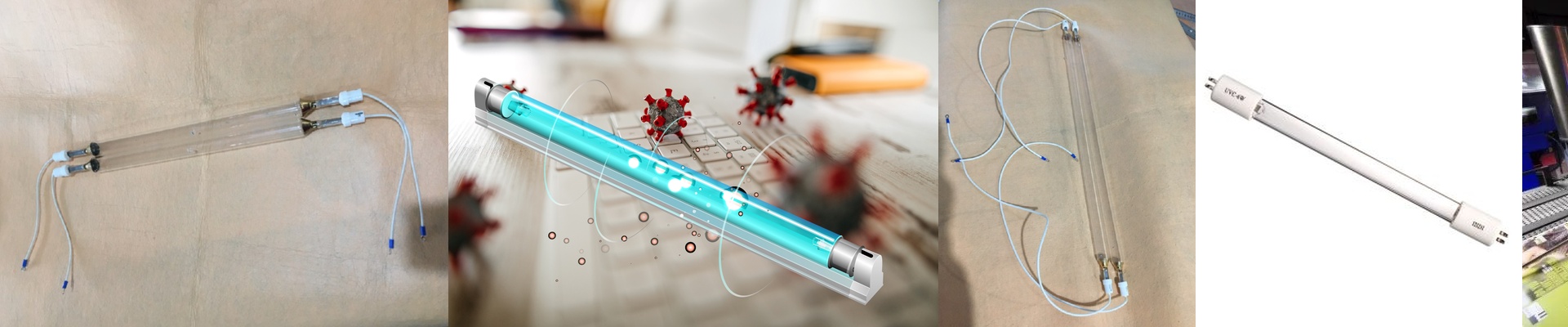
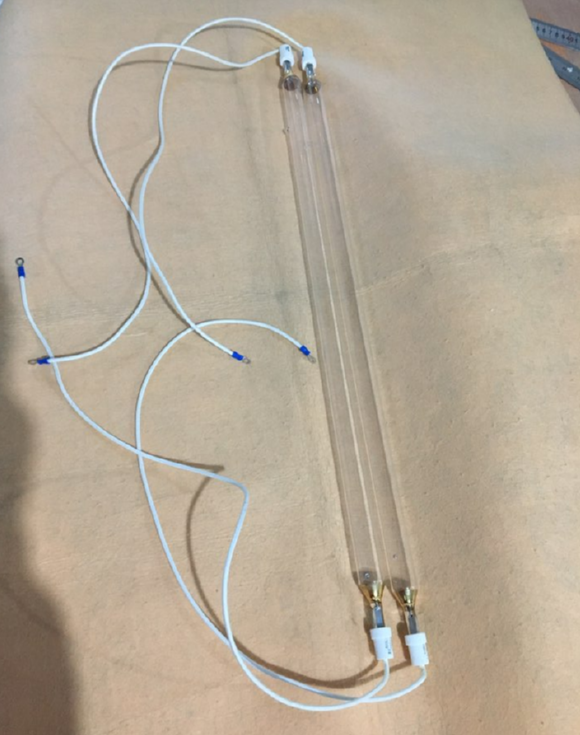
When the imported UV lamp on your press finally dies and the OEM quotes a month for a replacement, you’re not just waiting on a part—you’re watching sheets you can’t run. We build a drop-in replacement in seven days, spec’d to your machine’s arc length, base, and electrical requirements. Downtime isn’t measured in calendar dates; it’s counted in lost production.
What actually matters on the technical side
UV germicidal performance comes down to spectral output and the delivered dose. For disinfection, the dominant 254nm line from a low-pressure mercury vapor source is the workhorse—DNA absorbs right there, and that’s where the kill happens. Medium-pressure lamps broaden the spectrum, which helps when you need surface and air disinfection across a wider mix of organisms. Check output with a calibrated radiometer: peak irradiance (mW/cm²) at the working distance, and dose (mJ/cm²) over the exposure time. Match lamp power to your chamber geometry and airflow, or you’ll chase hot and cold spots all day. A solid quartz sleeve and stable electrodes keep output steady. We’ve run units for 5,000+ hours with less than 5% output drop, and reflectors with dichroic coatings that hold their geometry keep uniformity where it needs to be.
Why this approach works in real production
When the lamp has to fit and perform immediately, lead time is everything. We keep core components on the shelf and assemble to your exact envelope—length, diameter, arc gap, terminal style, and voltage. That keeps rework out of the picture, avoids mounting mismatches, and gets you back inside the process window. Stable spectral output means repeatable kill rates. Consistent irradiance means predictable dwell and fewer false positives. And when the lamp draws less power and lasts longer, you cut energy and spares cost per cycle—lowering total cost of ownership the way it counts.
The details that keep you out of trouble
Match the lamp to the housing and ballast, or you’ll pay in output and life. Choose ozone-free or ozone-generating versions carefully, and make sure your seals and ventilation are aligned. Quartz sleeves need disciplined handling—fingerprints and contaminants create hot spots that come back to bite you. Confirm UV transmission through any protective window, and keep that surface clean. Even thin films can attenuate 254nm more than you’d think. Build in end-of-life detection, and plan for safe disposal. When the specs line up, performance repeats—without waiting a month for a replacement.