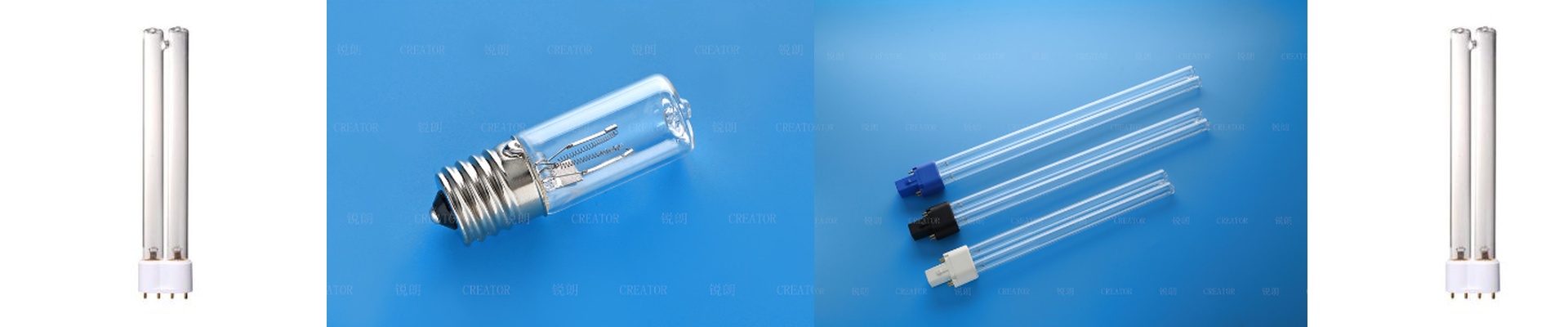
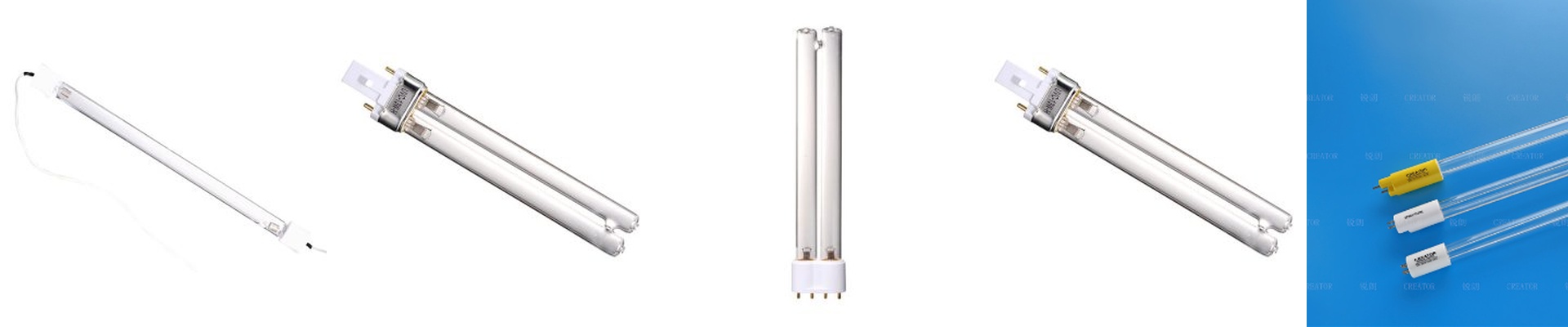
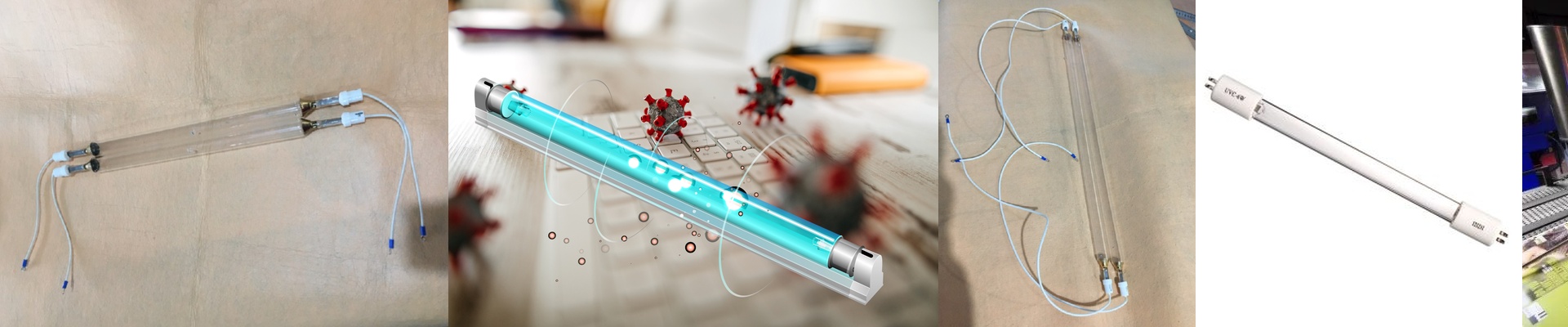
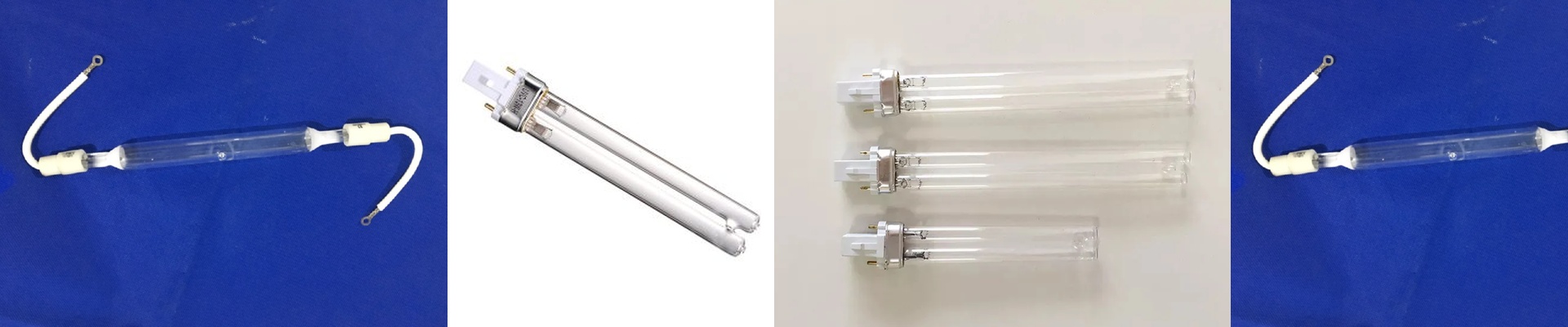
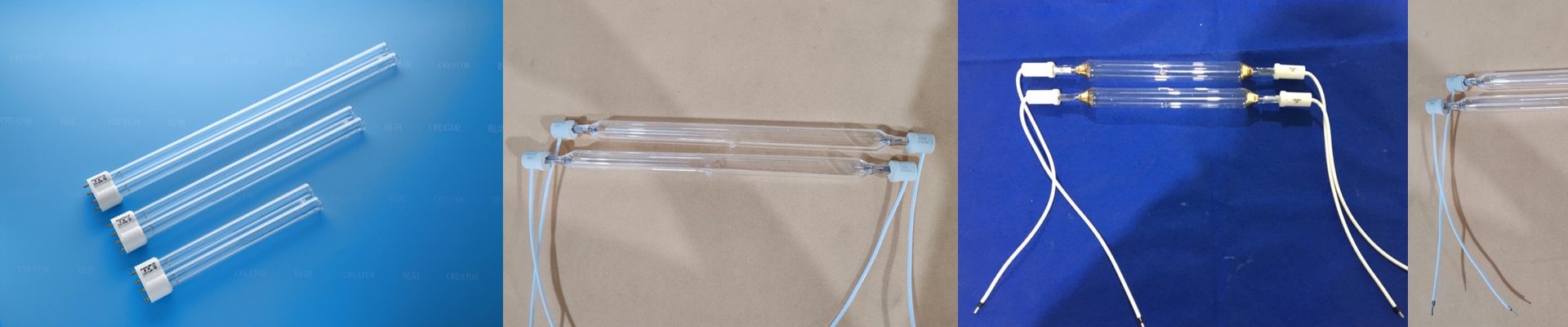
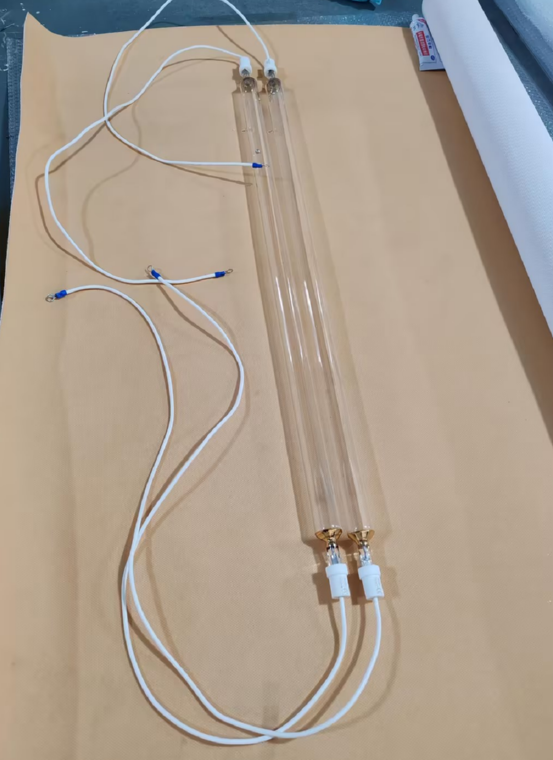
Press makers keep coming back to us for UV lamps because the fit is right—right down to the spectrum, the irradiance, and the lamp geometry. When the lamp and the press are matched, the cure window behaves the way it should. Out on the floor, mismatched lamps throw away joules, scorch stock, and drag the line down when the photoinitiators won’t cross-link fast enough. What we build into every lamp We start with the spectral output your ink needs. Hit 365 nm for deep cure, 385 nm for balance, or 405 nm for surface cure—then hold stable peak irradiance and keep energy density even across the web. Our high-pressure mercury vapor lamps use quartz envelopes, dichroic reflectors, and tight arc length control. Specs are matched to the printer’s optics: lamp power, voltage, coolant flow, connector interface, and the exact lamp dimensions. We run life curves in-house; units routinely hit 5,000+ hours with less than 5% output drop, and the ozone-free design keeps maintenance straightforward. Why the OEM fit matters This isn’t about looks. The reflector profile and focal distance have to match the original system, so you hit the required mJ/cm² without cooking the substrate. For offset, we tune for high peak irradiance to lock in the chemistry before it hits the blanket. For flexo and screen, we go for broad, even spectral coverage so thick deposits cure without surface skinning. That translates to faster cycles, lower energy draw, fewer lamp swaps, and color density that stays consistent run after run. What to watch for Installation tolerances are tight. Check lamp orientation, reflector condition, and power supply parameters—misalignment drops effective irradiance and hastens end-of-life. As 2026 disposal rules tighten, document lamp type, mercury content, and disposal steps per local requirements. Specify by press model and cure zone, and we deliver a drop-in, compliant lamp built to the OEM geometry and spectral profile.