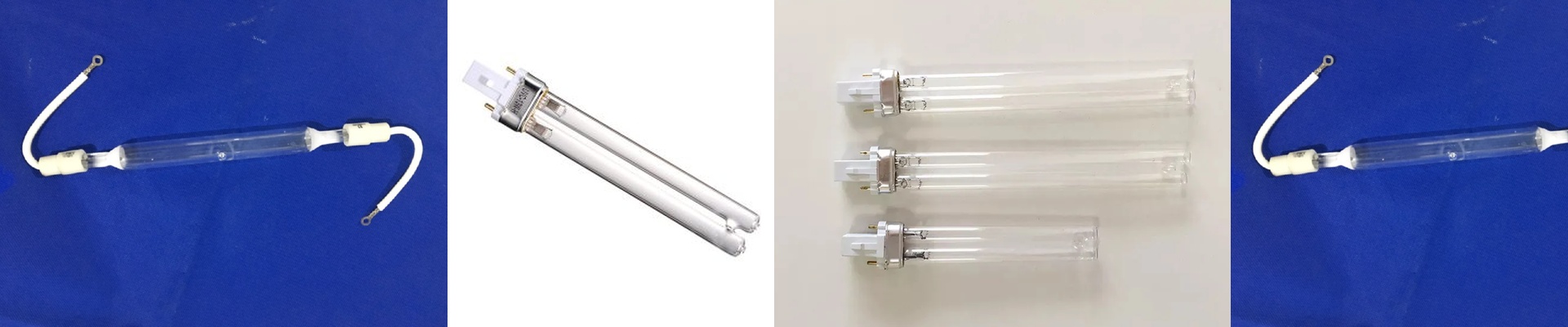
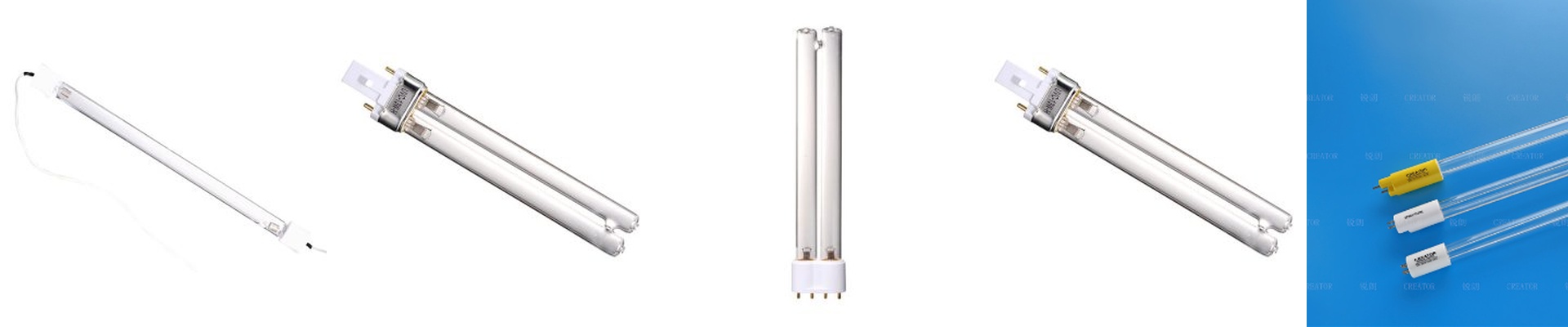
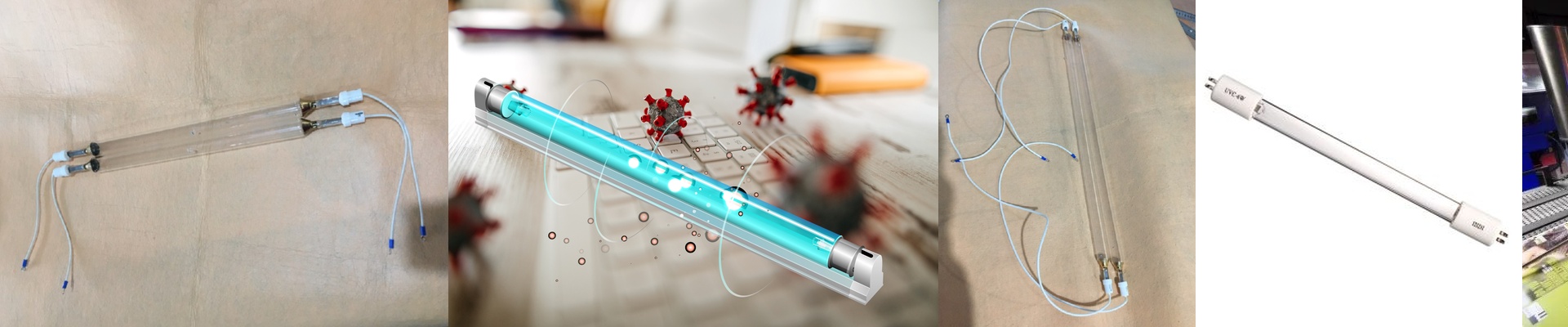
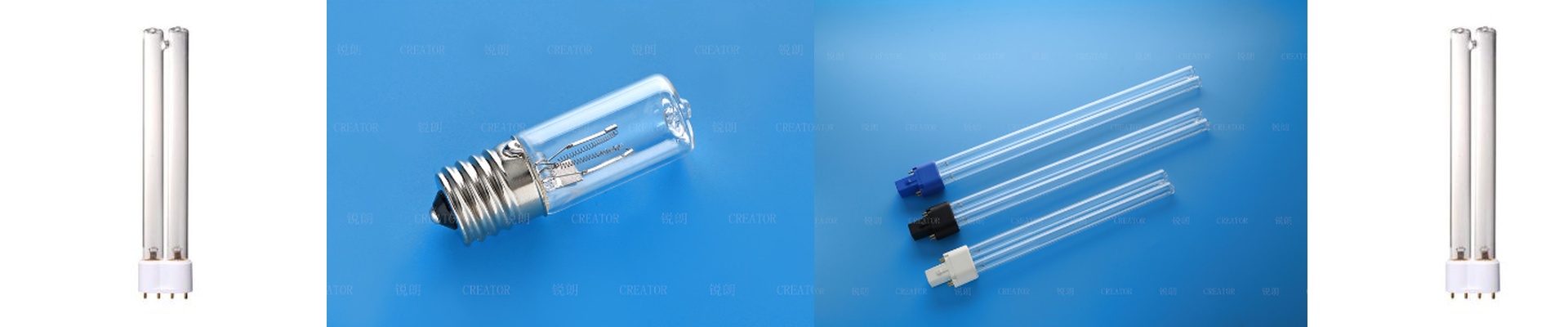
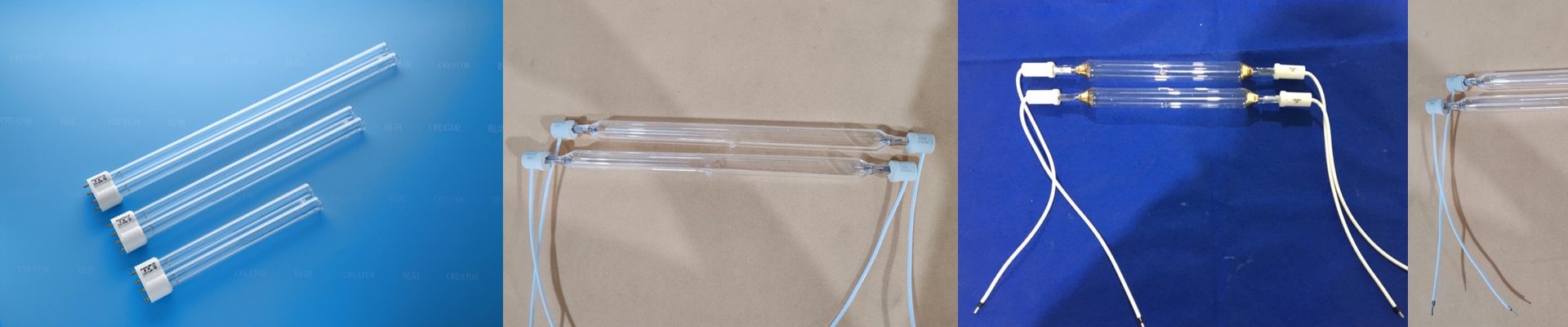
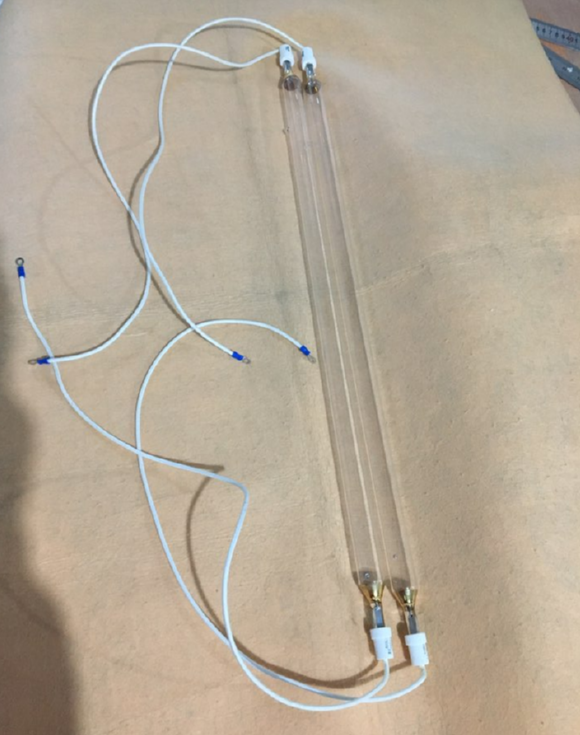
On the floor, every run is a race against the clock. The UV lamp isn’t just a part—it’s the energy heartbeat. When the line bogs down, it’s usually not the press. It’s the curing system not delivering the energy density the ink needs. We’re focused on one thing: making sure that brilliant, durable print is backed by light energy you can measure and rely on, every shift. What matters, technically UV curing is physics, not guesswork. The spectral output has to match the ink’s photoinitiator absorption—365nm for mercury systems, with 385nm and 405nm coming on strong for LED-compatible formulations. Peak irradiance, in mW/cm², sets the surface cure speed. Total energy density, in mJ/cm², drives the depth of cross-linking. We engineer the lamp to hold a stable spectral profile and a predictable irradiance curve, so photoinitiator activation stays repeatable from the first pulse to the last. Here’s the reality in industrial printing: downtime for lamp swaps or inconsistent cure costs money. A stable, high-output lamp translates straight into faster cycle speeds and higher throughput. Keep the spectral output consistent, and you get uniform cure across the substrate—no residual tack, no adhesion failures. Fewer rejects. Lower energy per unit. Longer life, which means less maintenance and fewer headaches. Installation and compatibility aren’t optional. The lamp’s arc length, end-of-life behavior, and reflector geometry have to line up with the curing module you’re running. We build for plug-and-play, but the reflector condition and power supply stability still matter. Run a lamp with a mismatched reflector or a shaky ballast, and you’ll lose output and burn through lamps faster. Before you retrofit, verify the electrical and mechanical specs of the system.