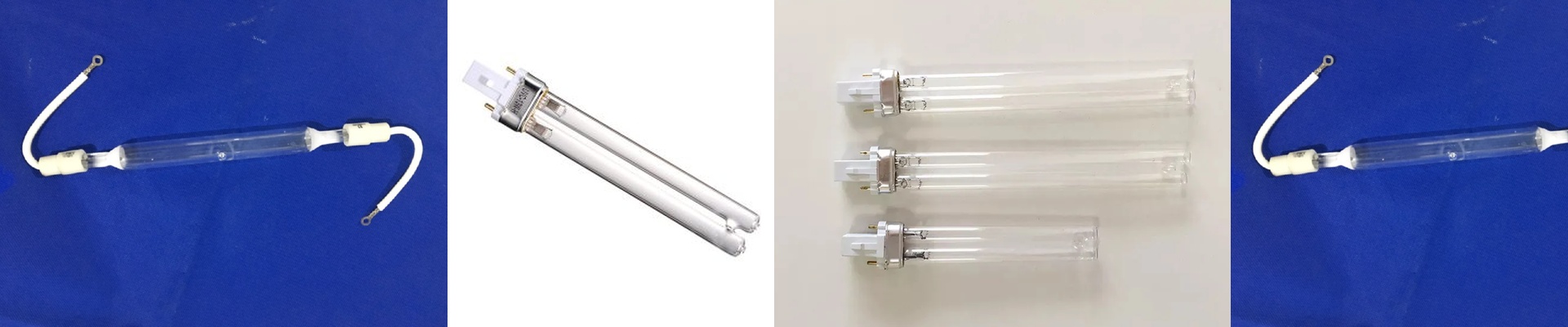
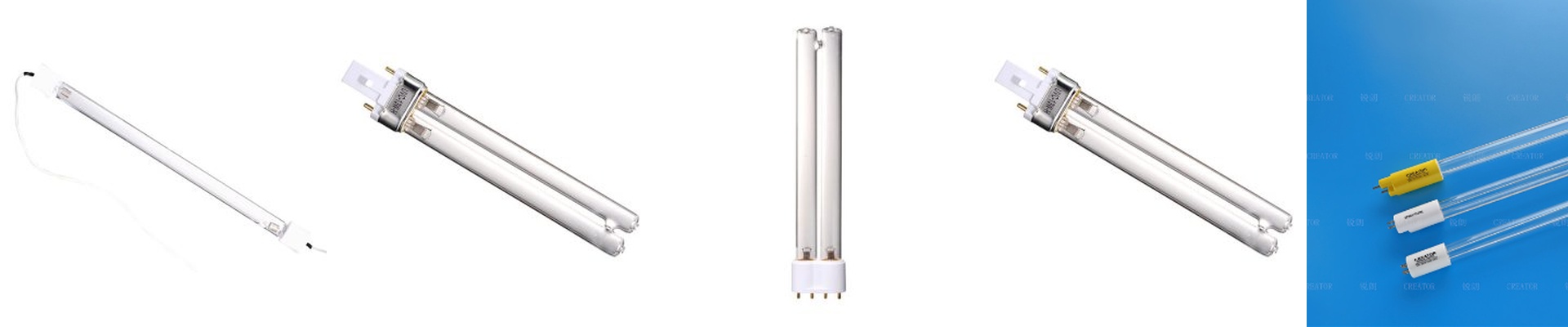
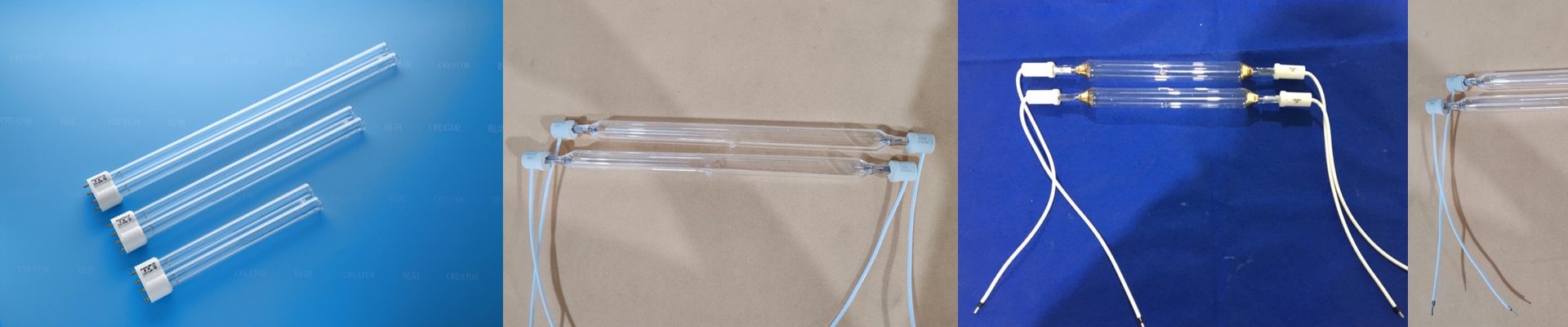
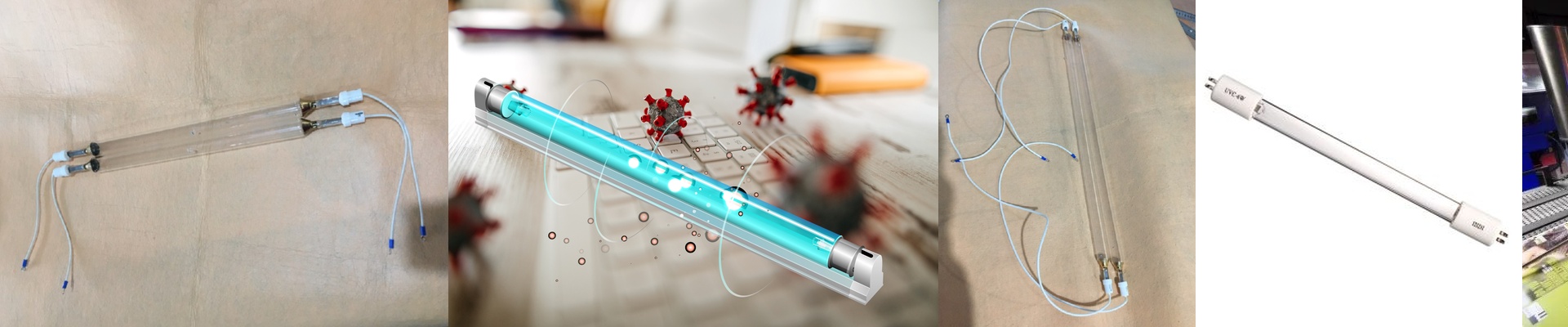
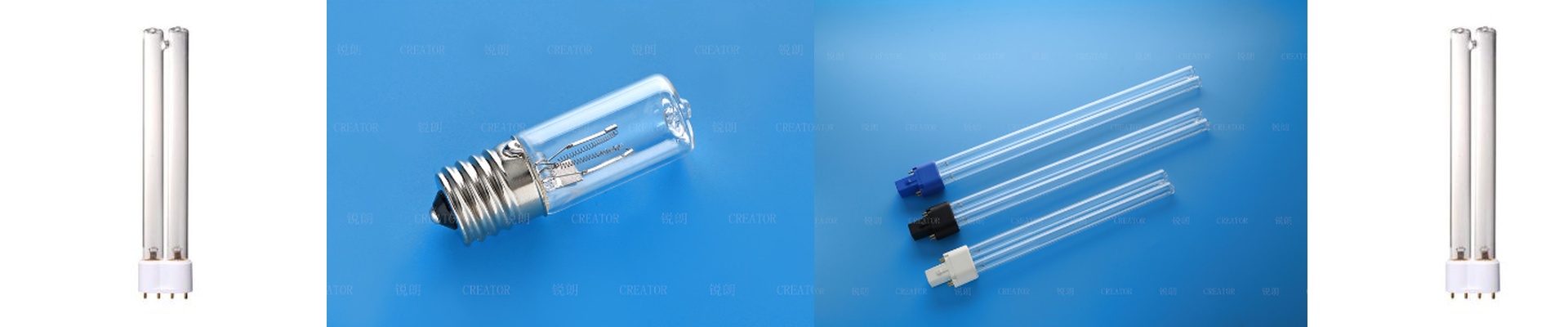
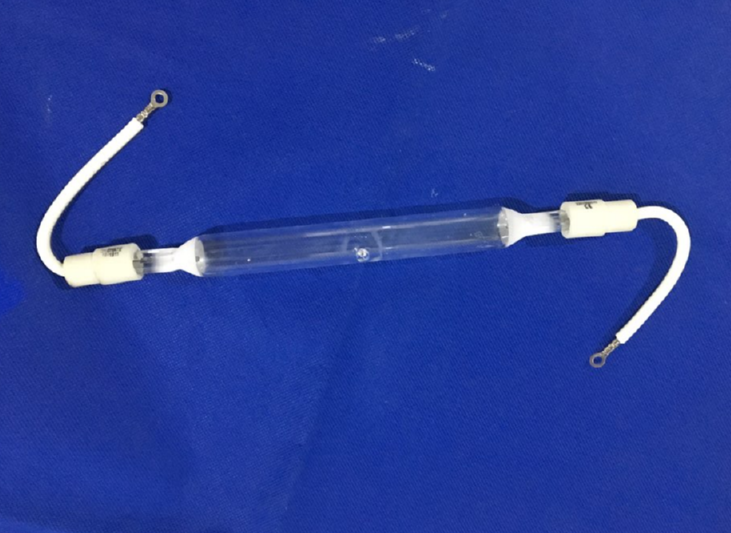
On a modern press line, downtime isn’t just lost minutes. It’s scrapped substrates, missed OEE targets, and a curing profile that drifts as lamp output decays. When your Fusion UV system ages, the spectral output shifts, peak irradiance drops, and the photoinitiator response gets inconsistent. The result is uncured ink, adhesion failure, and rework. We built our replacement UV lamp for Fusion to fix this at the physics level. Here’s what matters technically. We match the Fusion D bulb geometry and electrical interface, delivering stable mercury vapor output with strong 365nm line strength for deep photoinitiator activation, plus solid 385–405nm contribution for surface cure. Peak irradiance at the substrate plane hits 1200 mW/cm², giving you 600–800 mJ/cm² energy density at typical web speeds. The quartz envelope is ozone-free, and the dichroic reflector keeps spectral control tight, so heat load stays off sensitive substrates. Output stability is engineered for 5,000+ hours with under 5% drop, and warm-up reaches 90% output within 120 seconds. In an industrial 4.0 setup, curing has to be a controllable process variable. This lamp stabilizes cross-linking across PET, foil, and coated papers, cutting rejects and making job changeovers faster. You keep the same lamp envelope footprint, so no reflector redesign is needed, and power draw lines up with your existing supply. You’ll see consistent cure at press speeds up to 600 m/min, with less variance in dot gain and adhesion when ink films change. A few practical notes. Verify your system’s lamp connector type and arc length against our datasheet, and make sure shutter cycle count and timing match the lamp’s rated starts. Keep operating voltage within ±5% of the specified range; excursions will shorten electrode life. For the best spectral match, pair this lamp with a reflector in good condition — reflectivity loss shifts the effective cure profile even with a new bulb.