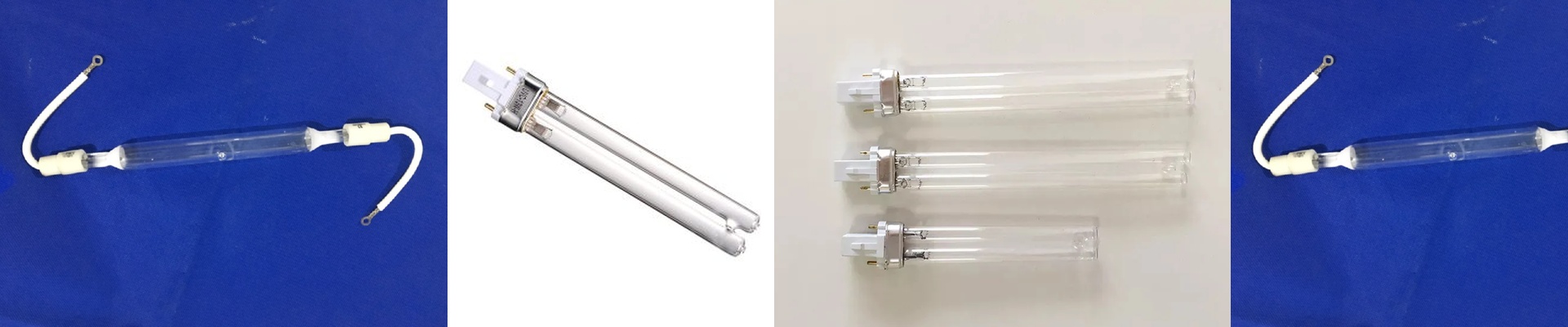
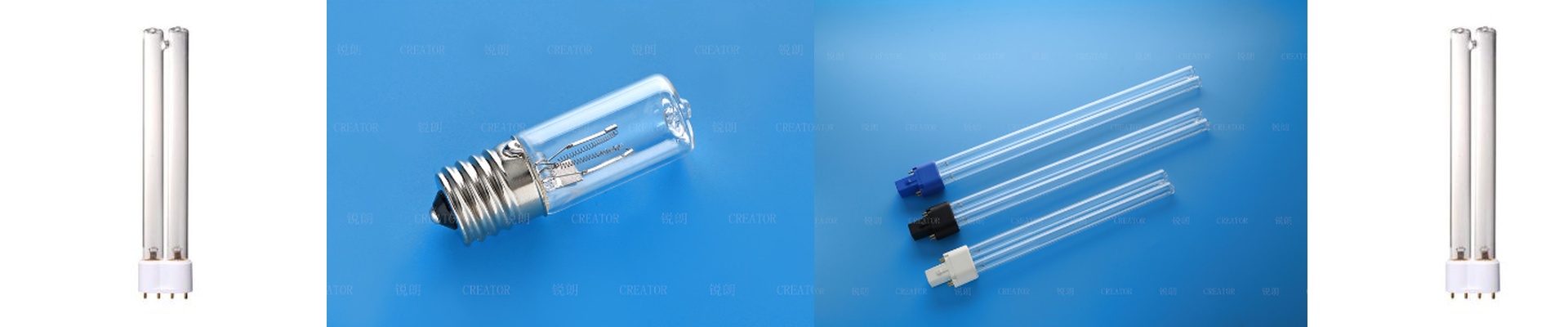
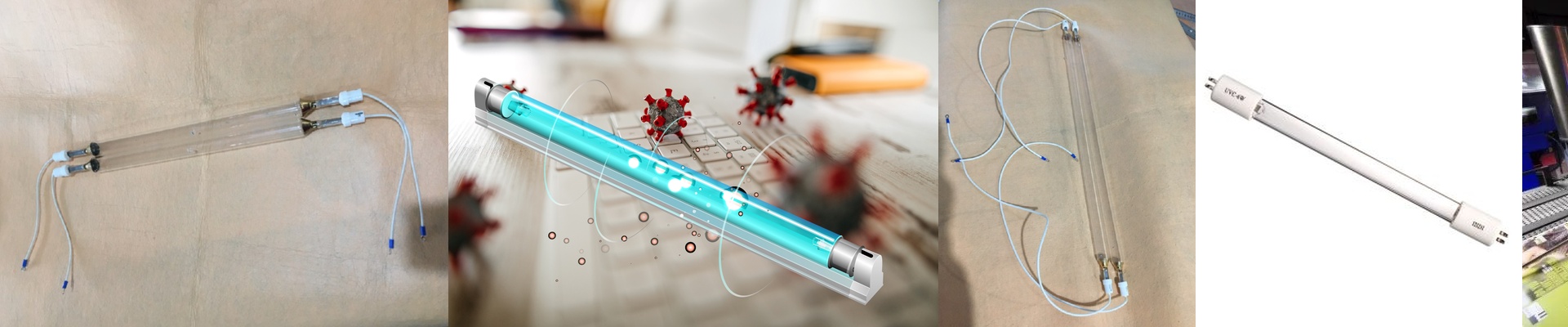
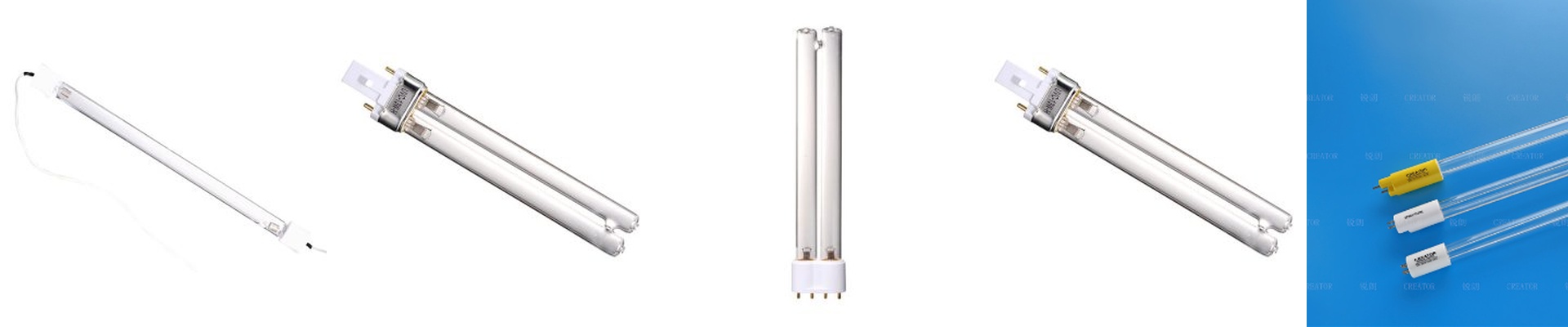
On the screen press, “print-and-dry” isn’t a tagline—it’s the reality of how the line has to run. Without instant curing, everything bogs down. Tack-free time drags on, throughput tanks, and color-to-color registration starts to wander as wet ink sits and waits. A lamp that responds fast is the only way to keep the process moving without stopping. What actually matters under the hood We build the lamp around spectral output and how the energy hits the substrate. A high-pressure mercury vapor source gives you strong 365 nm output to kick the photoinitiators, plus the other bands you need to match their absorption profile. Peak irradiance at the substrate plane is tuned so the photon flux is high enough for rapid cross-linking, while the dichroic-coated reflector focuses the output and keeps wasted heat from bleeding off. The payoff is a true instant cure: ink films polymerize in one pass—even thick deposits—with a solid surface cure and enough through-cure. Why this fits screen printing On a screen press, your speed is only as fast as the curing station lets it be. The lamp needs to come up fast and stay stable, so every stroke is followed by immediate cure—no inter-station drying, no waiting around for handling. You can run longer rolls without blocking, cut down on off-spec sheets, and reduce scrap. Energy use drops because curing happens in seconds, not minutes, and lamp life stretches when arc stability is controlled and thermal management is dialed in. Here are the practical details you can’t skip Matching the lamp to your fixture is mandatory. Check reflector geometry, lamp length, end-of-life sensing, and how the shutter integrates. Then confirm the cure window at your press speed with a radiometer—measure irradiance and energy density. Thick deposits may push you to higher output, or to a dual-lamp setup. Expect real heat. Keep airflow maintained and make sure substrates stay within the rated temperature window so you don’t get distortion.