Getting Your UV Curing Right for OEM Builds
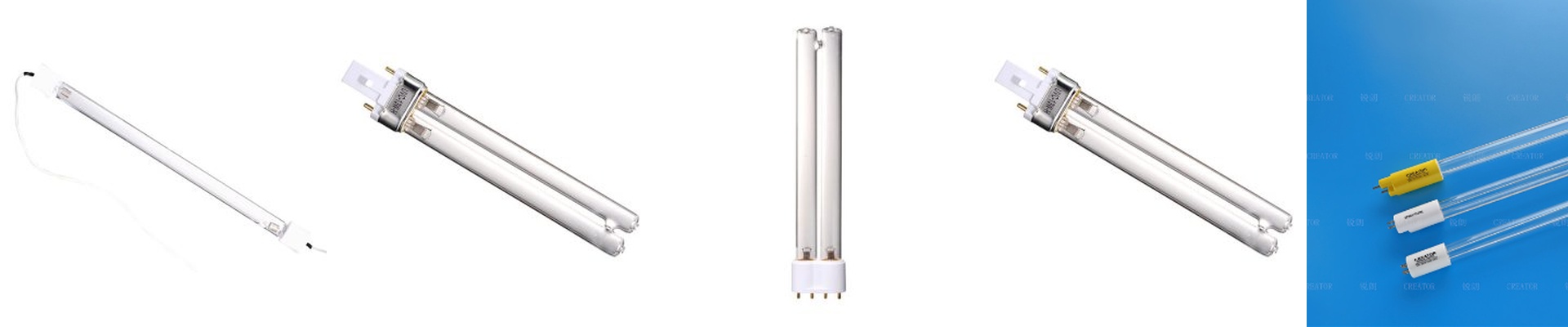
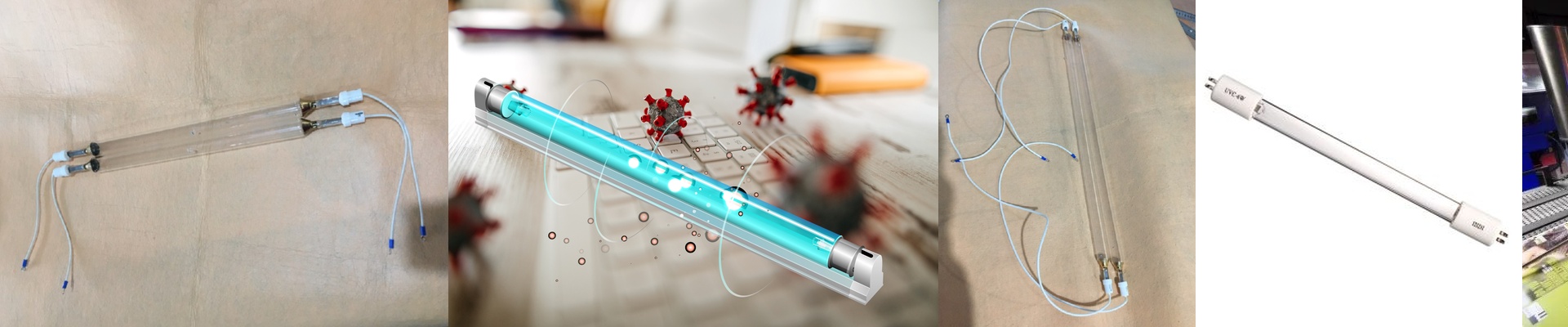
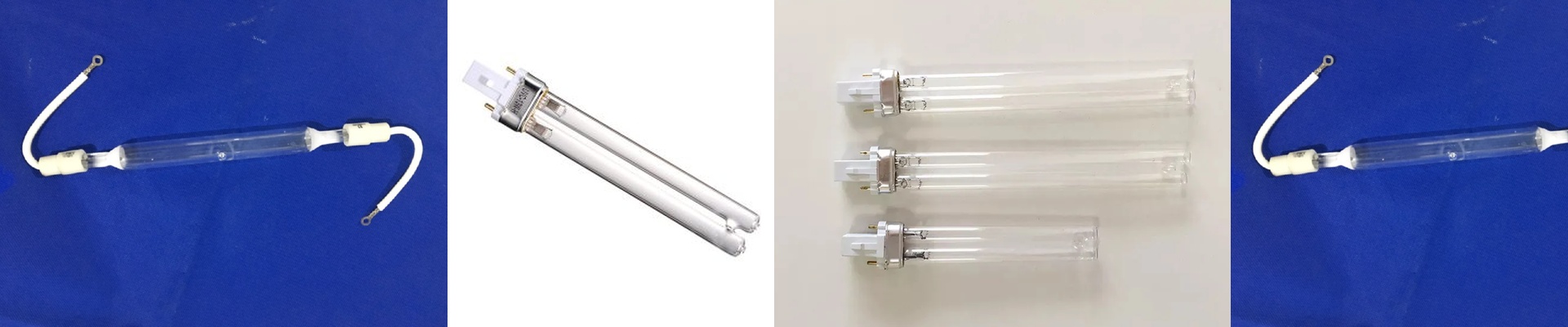
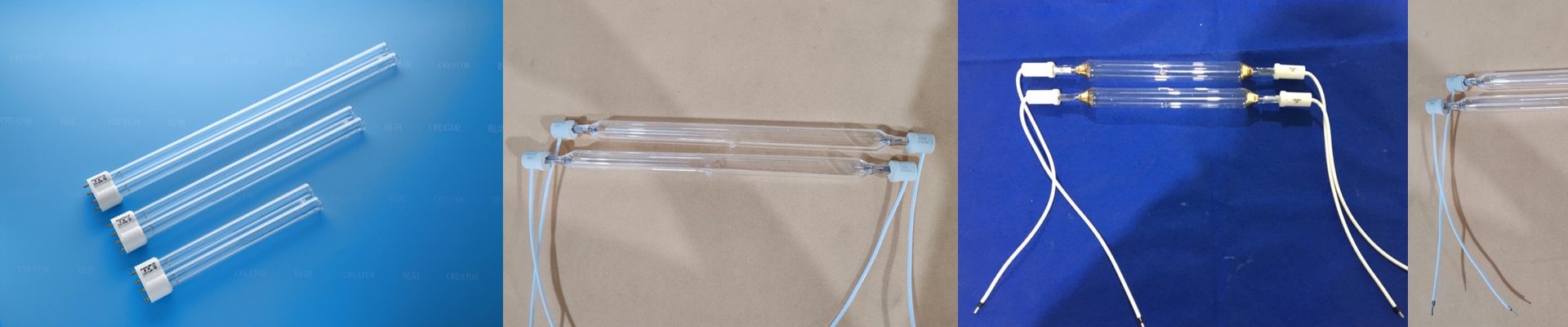
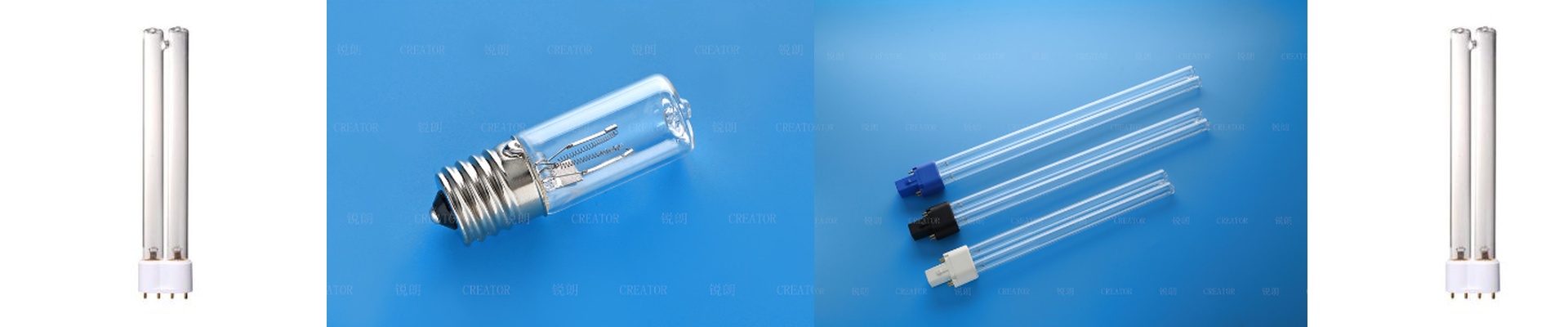
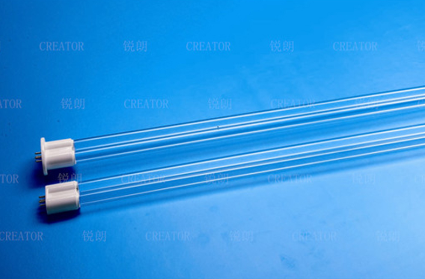
UV curing is basically the engine behind modern industrial printing. It’s simple in theory: you hit liquid ink with enough light energy, and it turns into a solid film in a heartbeat. But if you’re building these into your own machines, you know it’s never actually that simple. It’s not just about “turning on the light”—it’s about fighting heat and making sure your wavelengths don’t drift. The balance of power and light When we pick out UV lamps, we’re playing a balancing act between wattage and tube length. If you’ve got a conveyor belt screaming along at top speed, you need high-wattage setups to keep up. But here is the tricky part: the light has to actually “talk” to the photoinitiator in your ink. If they aren’t on the same page, you end up with “surface cure.” That’s the nightmare scenario where the top feels dry to the touch, but the bottom is still a sticky mess. Dealing with the heat High-intensity UV lamps get hot. Really hot. We use specialized quartz glass to let the UV light through while keeping the thermal expansion under control. If you’re squeezing these units into a tight chassis, you can’t ignore the cooling. Whether you use fans or water-jackets, they need to be beefy enough to handle the load. If you don’t, your substrates will warp, or your lamps will just burn out way too soon. Making it fit your build We don’t believe in “one size fits all.” We build these as modules that just slide into your existing setup. Need a specific connector for your wiring? A weird length to fit a proprietary frame? We can tweak the electricals to match your power supply without a fuss. Of course, there are always trade-offs. If you crank up the intensity to blast through more product, your lamps won’t last as long. It’s a sliding scale. We’ll help you find that sweet spot—where your throughput stays high, but you aren’t spending your weekends replacing tubes. We provide the raw power; you build the machine that makes it happen.