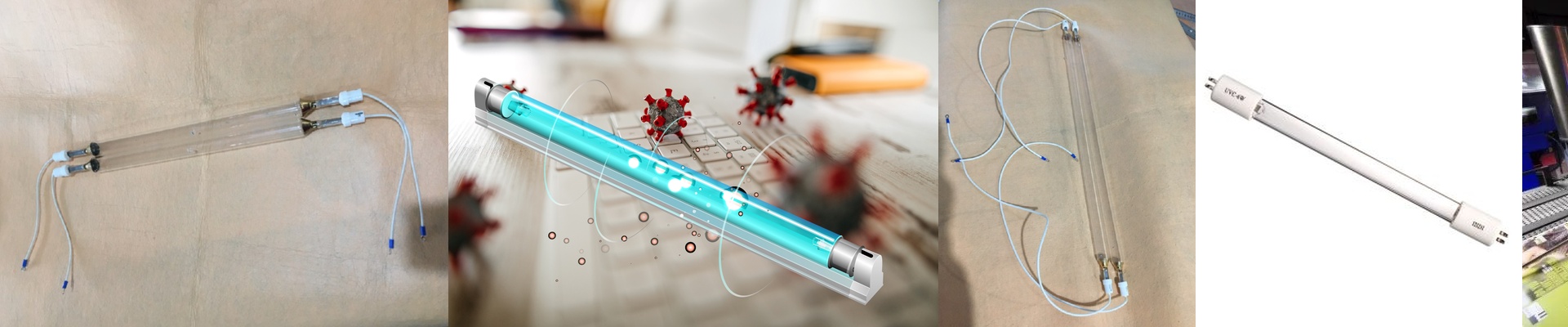
Why We Stick to 80W/cm in Industrial UV—and Why It Works
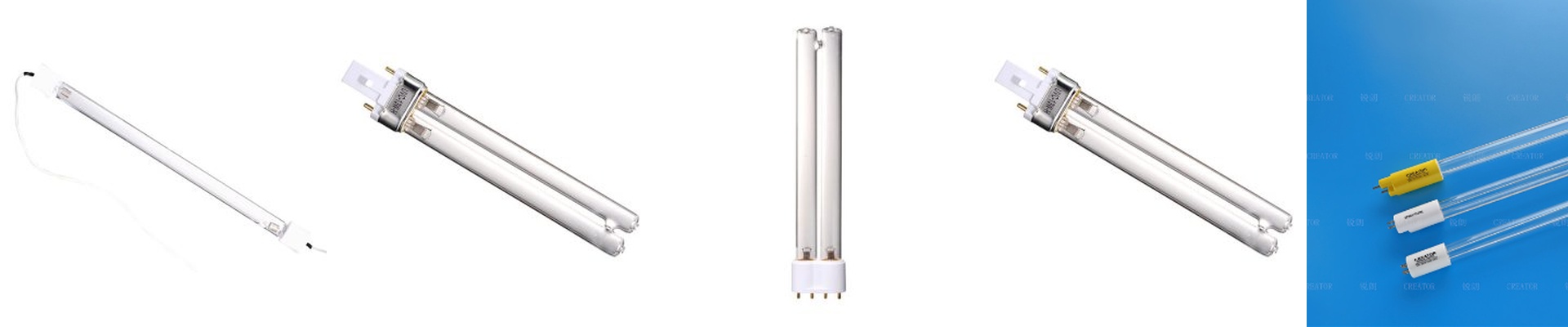
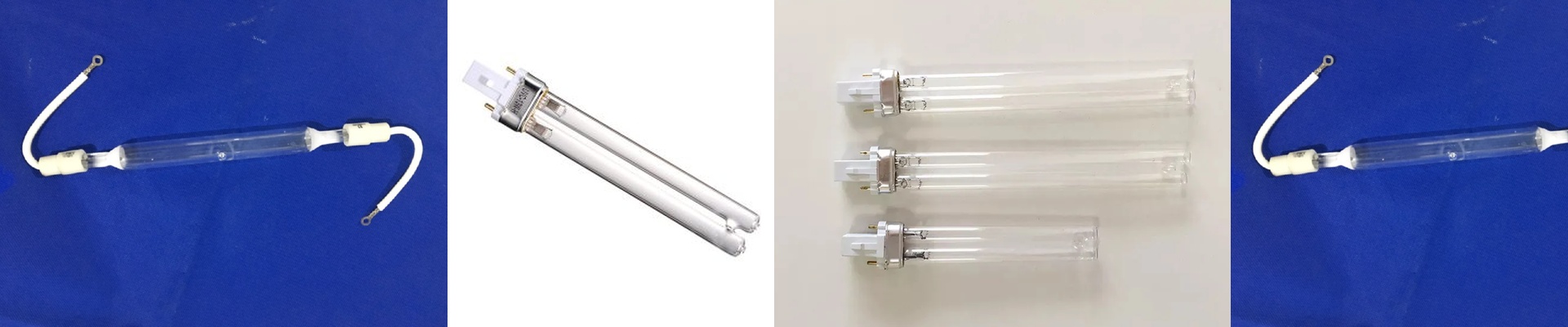
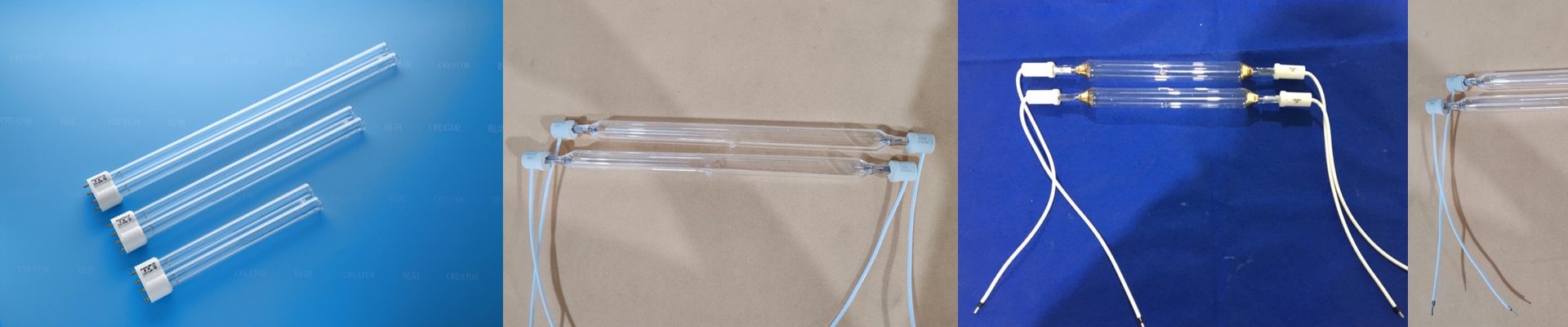
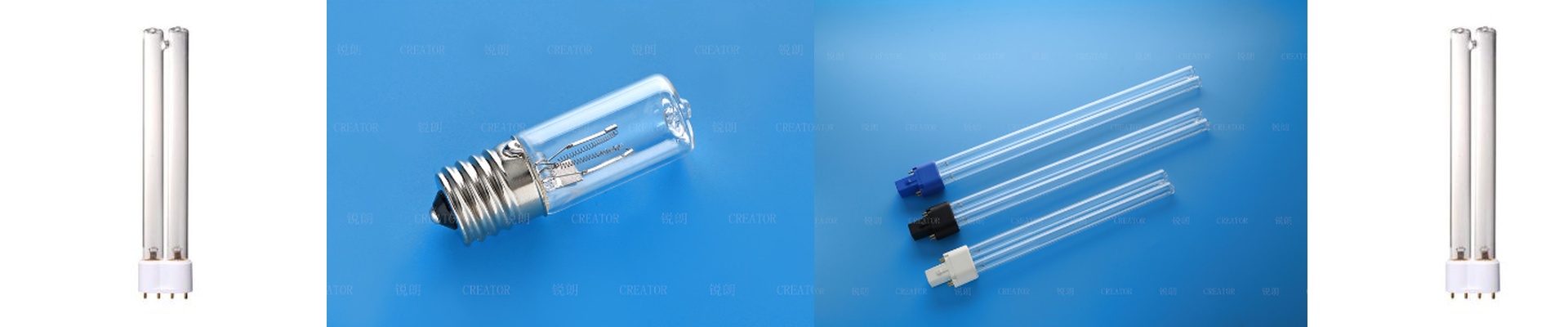
Here’s the reality on the factory floor: ink and coatings don’t cure by vibes. They cure by watt density. So we built our standard mercury UV lamp around that truth—right at 80W/cm. Because on high-speed lines, your curing window is measured in milliseconds. You need muscle. 80W/cm gives you the photon punch to fully set UV inks at speeds that would leave weaker lamps still wet and sticky. And it’s modular, which is a big deal. Stack as many modules as you need to hit your dwell time—no redesigning the whole oven section. Just add what you need, when you need it. But there’s a trade-off: that kind of power comes with serious radiant heat. So your chiller capacity and reflector cooling have to be properly sized. If you don’t keep the substrate temp steady, heat-sensitive films can drift and cause headaches.
The choices behind the lamp
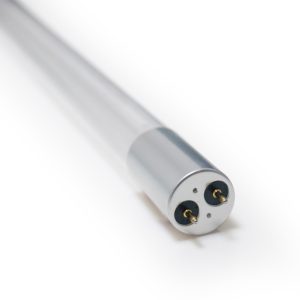
We use mercury vapor inside a quartz envelope because it delivers a broad UV spectrum, including the short-wave punch that cures deep layers. Quartz also handles the shock of rapid on/off cycles and stays consistent even after long burn hours. That R7s bi-pin connector? Not random. It locks the lamp in place and carries the current cleanly, which keeps the arc stable. And stable arc means uniform output along the whole lamp length. We also match the lamp to a dedicated voltage and ignition circuit sized for the 80W/cm load. That keeps arc length steady, lamp voltage predictable, and cuts down on misfires when you start a run.
On the floor, where it matters
In printing, this setup is a drop-in workhorse—screen, offset, digital ink systems. The high power density lets you cure at higher line speeds, so you push more work through without crowding your floor space. Once the lamp is warmed up, the output stays steady. That means a repeatable cure every time—fewer rejects from under-cure, and less of that sharp, solvent-like smell from uncured resin. For engineers, the win is simplicity. Standard dimensions. A known electrical load. Modular design that makes maintenance straightforward. When a lamp hits end-of-life, you swap the module and get back to work—no retuning the whole system.