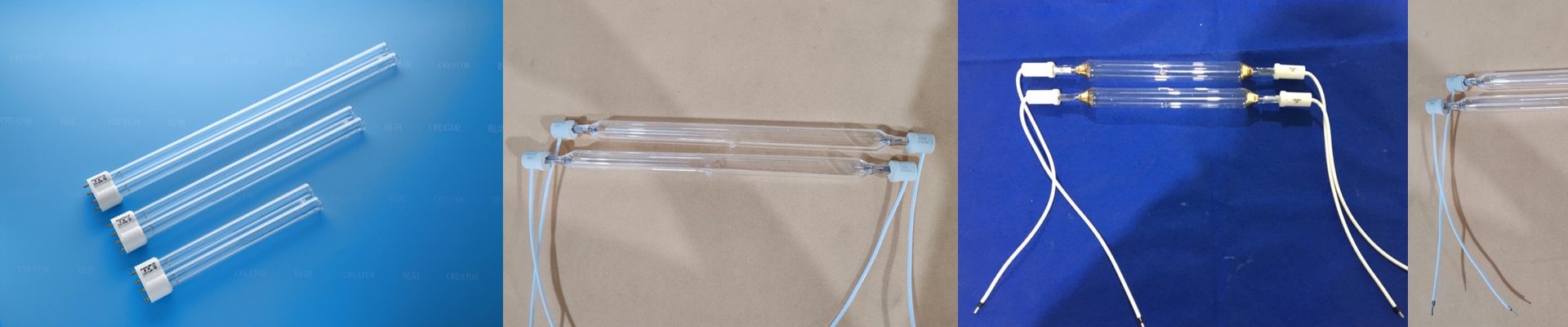
On the press floor, uneven ink drying isn’t some random glitch. It’s a direct symptom of uneven UV intensity across the sheet. If you’re not verifying the lamp’s spectral output and energy density at every point on the print platform, the photoinitiators in the ink won’t cross-link cleanly. You end up with inconsistent cure, adhesion that falls off, and too many scrapped runs. What actually matters under the hood UV curing comes down to peak irradiance (mW/cm²) and delivered energy density (mJ/cm²). Grab a calibrated spectral radiometer and measure right at the work surface. Map the full spectrum—365nm for mercury vapor, 385nm or 405nm for LED—against the ink’s photoinitiator absorption band. Check intensity at the center, the edges, and the corners, and keep an eye on reflector efficiency and dichroic coating uniformity. Track lamp life by watching output drop against the rated end-of-life curve; in practice, a 15% drop is usually the point where you change the lamp. Here’s why that matters. A verified intensity profile wipes out hot and cold zones, so every pass gets the same dose. Cross-linking stabilizes, adhesion improves, and rejects fall. You can push press speeds higher without under-curing, setups get shorter, and you stop wasting energy over-exposing areas that are already running hot. Installation has to respect the actual print width and the lamp-to-substrate distance. Move the lamp 10mm and intensity can shift more than 10%. Make sure the lamp, housing, power supply, and ozone management are compatible with the press. And expect reflector aging and quartz degradation—measure at startup and again after warm-up, then schedule periodic mapping to keep yield where it needs to be.