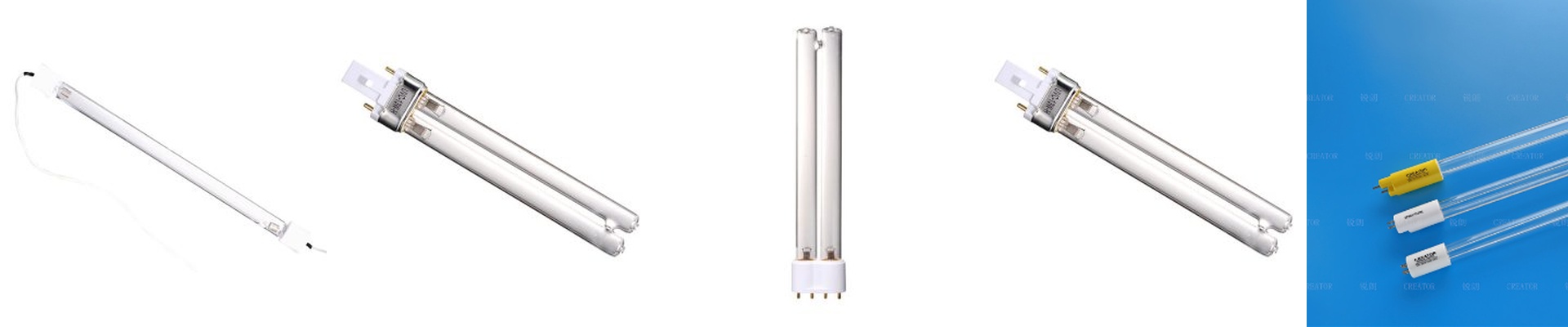
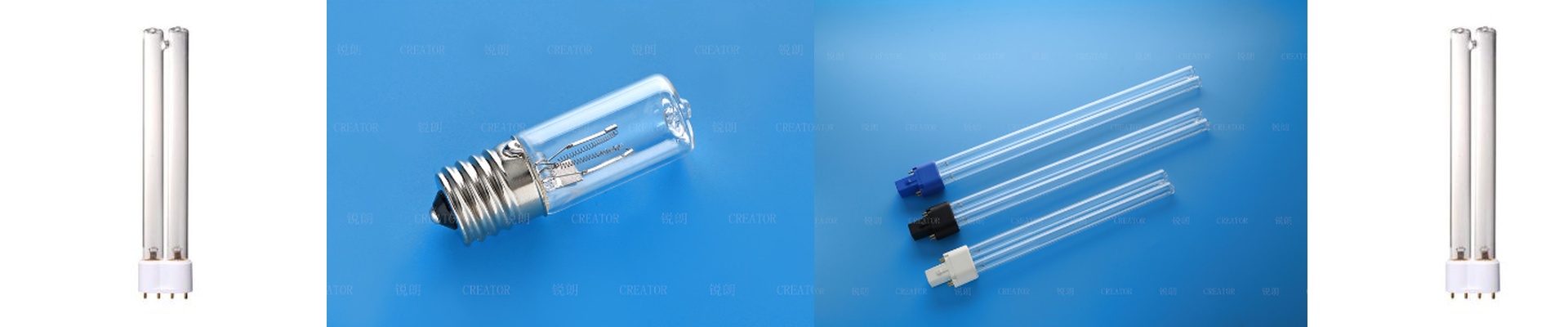
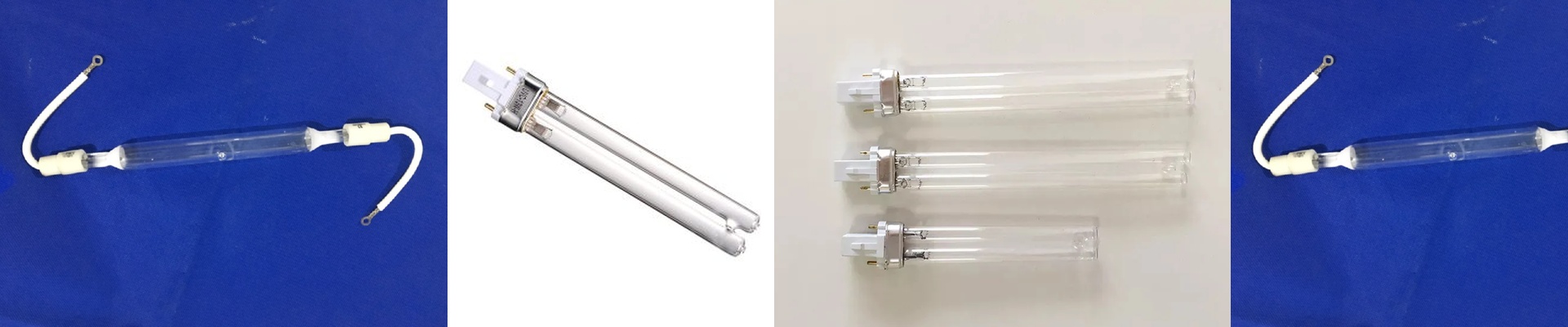
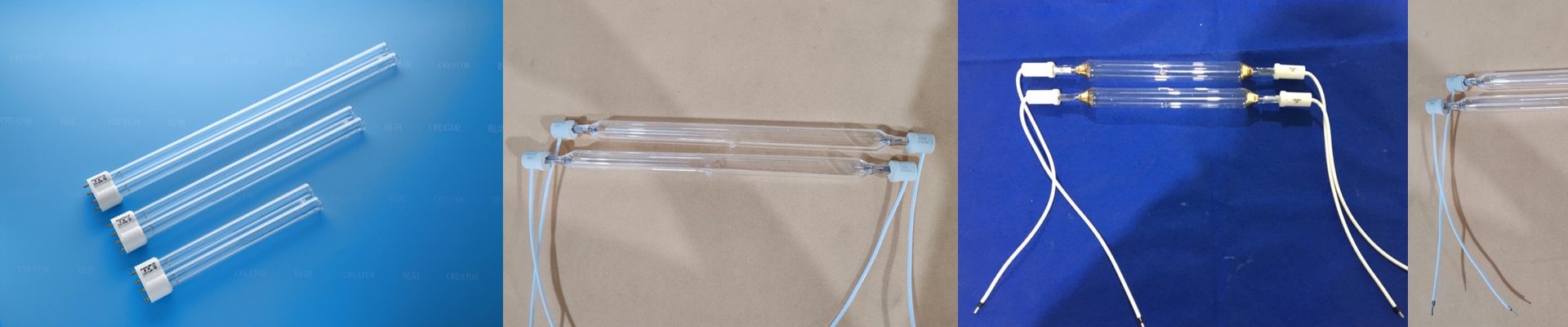
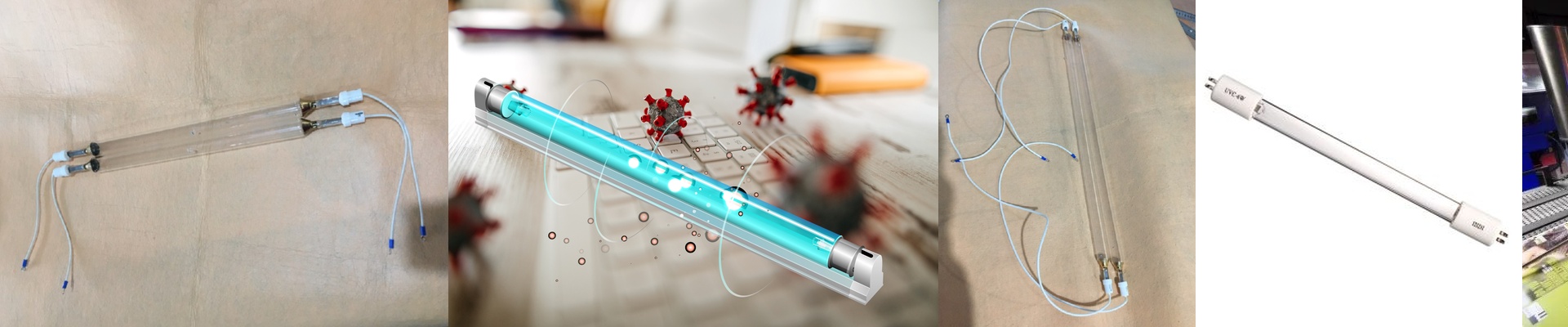
Why Getting the Wavelength Right Isn’t Optional—It’s Everything
If you’re doing pad or screen printing, the color you see on the part comes down to one thing: how cleanly the ink cures. That’s why the Dymax UV spot lamp isn’t just “a light.” It’s a matched set with the ink. When the lamp’s output lines up with the ink’s peak absorption, the polymerization happens evenly—top to bottom, edge to edge. When it doesn’t, you get a weak surface cure, uneven energy, and colors that drift.
Power, voltage, and reach—built for the shop floor
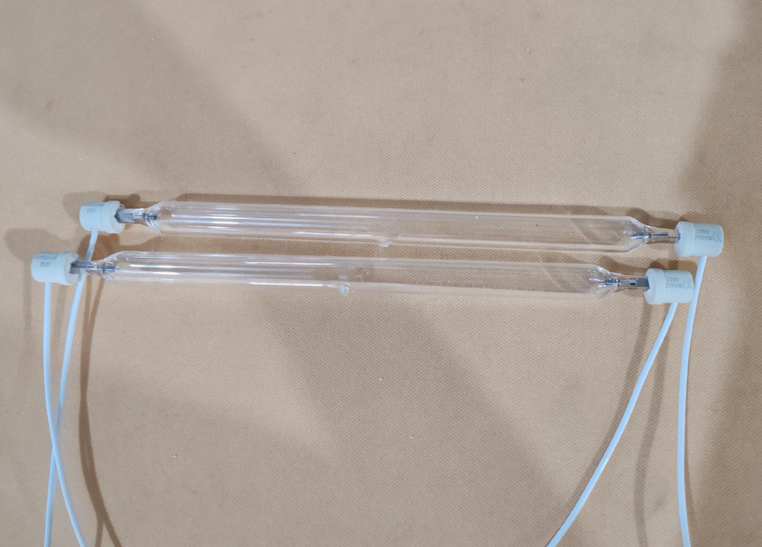
We spec these lamps around one thing: hitting the right energy density exactly where the ink needs it. The 400V input is there to handle real-world industrial line voltages without sputtering—no voltage drop, no arc instability. The 2500W rating is what it takes to push through pigmented layers and still cure fast enough to keep the line moving. And the size? 300mm long, with a footprint that fits where space is tight—like at the pad print head or inside an automated screen frame. You get the reach you need without redesigning the machine around the lamp.
The materials that make it behave
Inside, the core uses shortwave-optimized quartz, so the right UV spectrum gets through with minimal filtering. A specialized coating shapes the output and cuts out the infrared that would otherwise turn into heat and warp your substrate. The R7s connector is a practical choice, too: high-current, quick-connect, and built to survive vibration and the constant heating-and-cooling of a production press. In most fixtures, it’s a straight swap—wire it in, and you’re running.
What it feels like on the line
In screen and pad printing, you need a lamp that repeats—same spectral profile, shot after shot—while staying cool enough to keep the process stable. That’s exactly what this setup delivers: consistent color, run after run. Here’s the trade-off, though: at 2500W, it runs hot. So your machine’s cooling has to be up to the job. If the cooling is undersized, the lamp can overheat, and that shortens its life and shifts its output. Plan the thermal side of things early.
The real payoff
When the wavelength matches the ink, the cure stops being a guessing game. You get color you can trust and adhesion that sticks. And on the shop floor, that’s what keeps scrap down and throughput up.