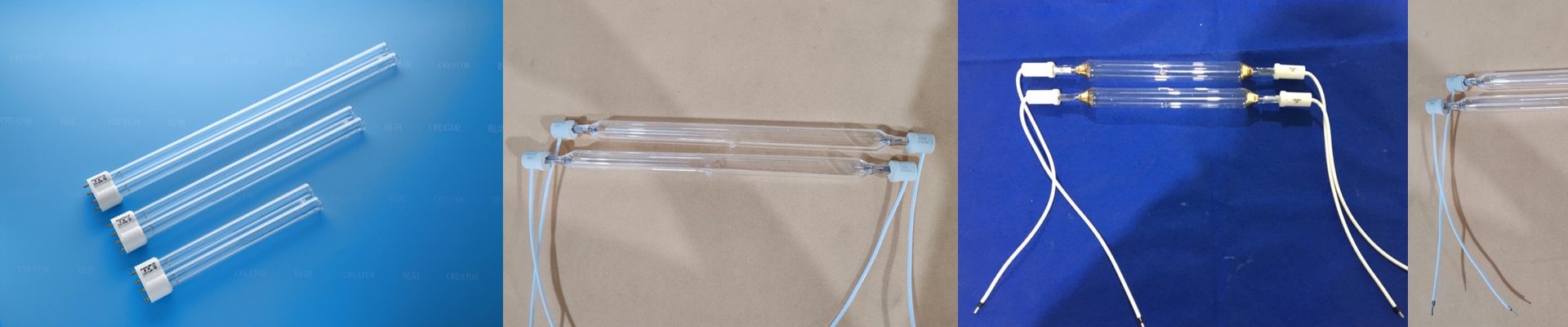
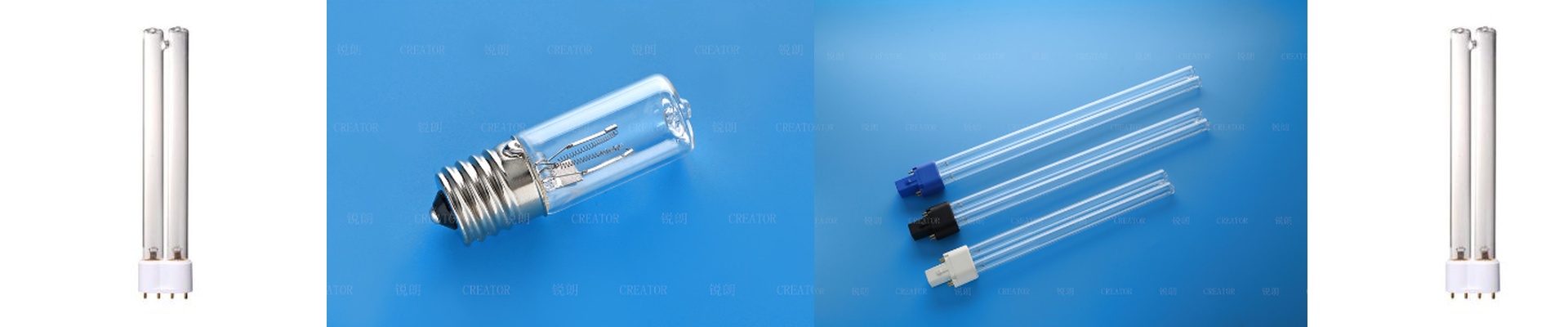
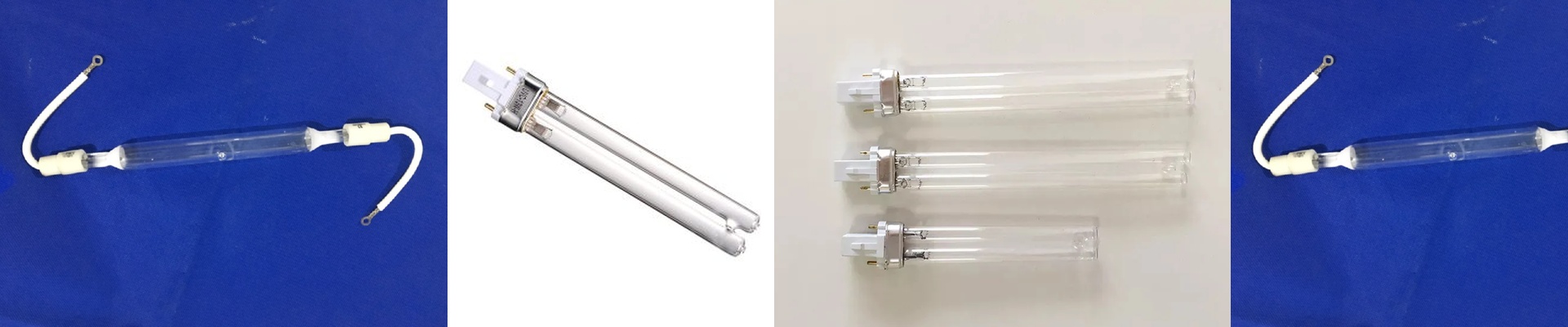
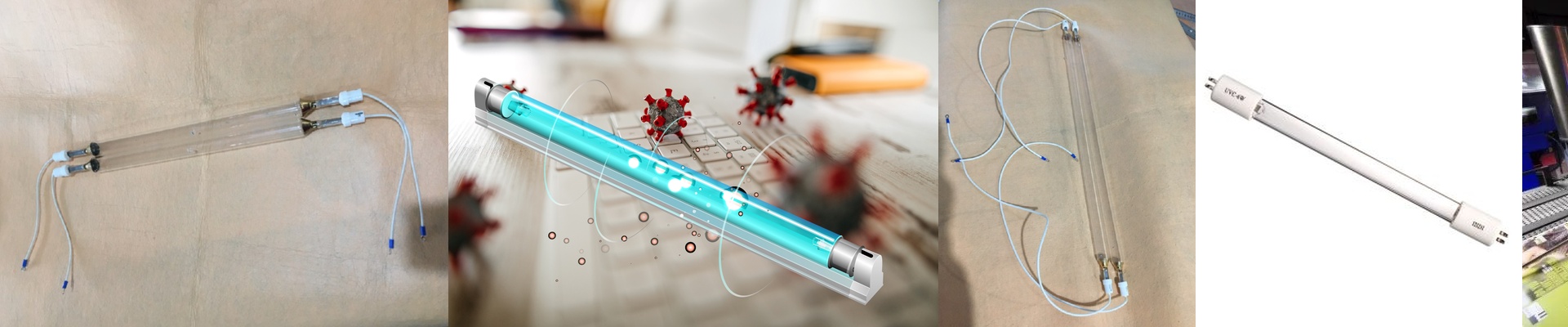
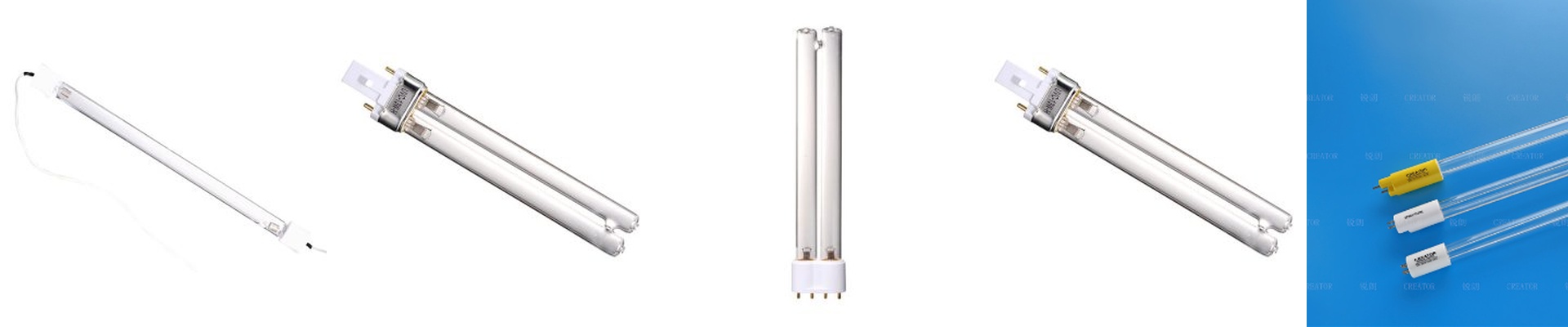
On the garment line, that sharp smell during flash isn’t just uncomfortable. It’s uncured volatiles bleeding out of the ink—residual monomers and solvents that should have been cross-linked. Drop the UV dose, and the print stays tacky, washfastness falls off, and emissions won’t pass scrutiny. What actually matters is spectral precision and the energy density you deliver. Our UV lamp for lab testing is built around a stable mercury vapor discharge, with a defined spectral output typically centered at 365 nm—matched to the photoinitiators most garment inks rely on. A high-reflectivity dichroic reflector concentrates the beam, giving you high peak irradiance right at the substrate surface. You get instant surface cure and deep-layer penetration in one pass. The ink cures through, not just on top. And in flash-drying workflows, that matters because the lamp hits the required mJ/cm² for complete conversion. That kills the odor at the source instead of trying to cover it up. Cycle times speed up because the curing window shrinks, cure depth stays consistent across thick deposits, and you see fewer rejects from under-cured edges. Power draw stays sensible, and lamp life holds up over long runs with stable output. Here’s what to watch for: check your fixture’s reflector geometry and shutter duty cycle, because sustained arc power can push reflector temperature up. The lamp has to match the printer’s curing station—aperture, focal distance, and cooling airflow—so the irradiance profile stays where it should be. Confirm it lines up with your ink’s photoinitiator absorption, then set cure speed by measuring spectral dose with a radiometer.