Why the Exact Wavelength Actually Matters
We aren’t obsessed with numbers just to make a fancy spec sheet. In our labs, everything comes down to one specific spot: 253.7nm. That’s the “sweet spot” where DNA and RNA absorption peaks. If the output drifts even a tiny bit, you lose the power to actually break the molecular bonds of those microorganisms. You’re not just picking up a lamp. You’re getting a tool that does one specific job with total precision.
The Magic of 254nm
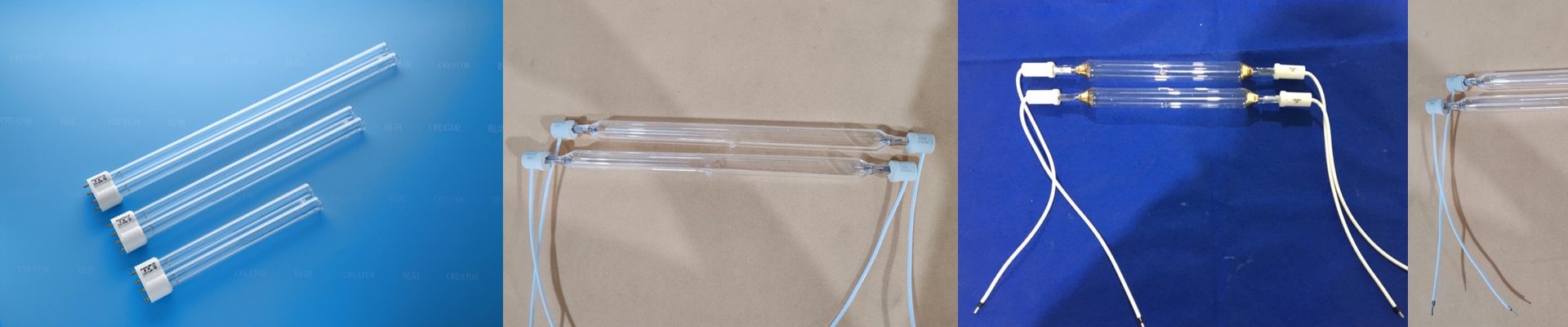
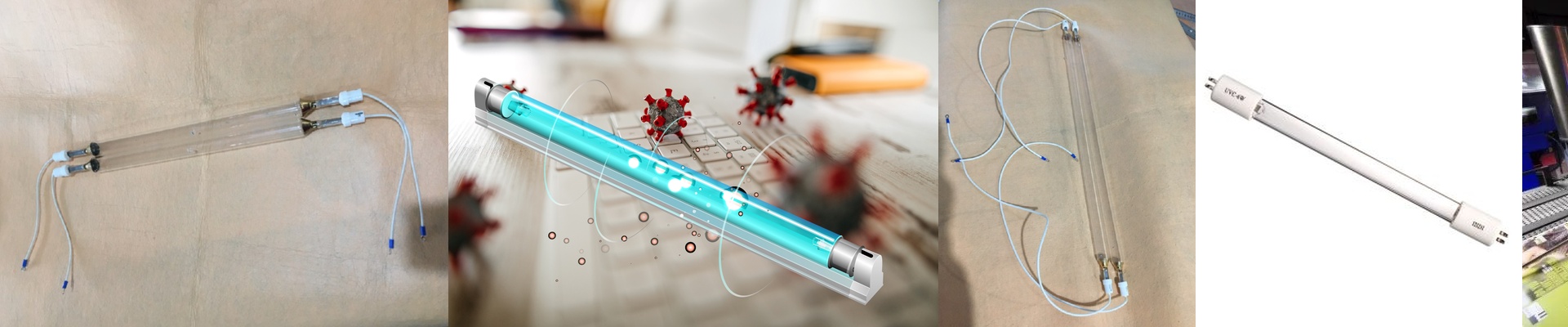
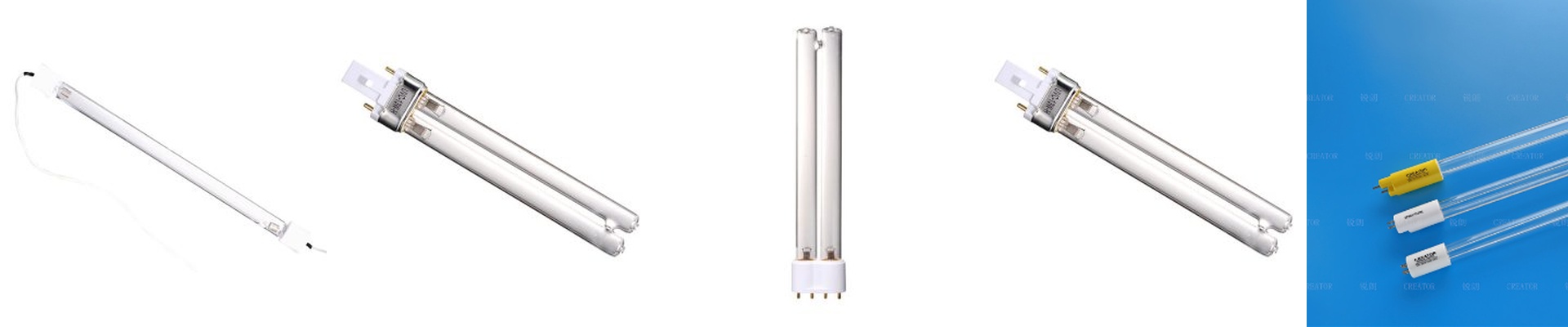
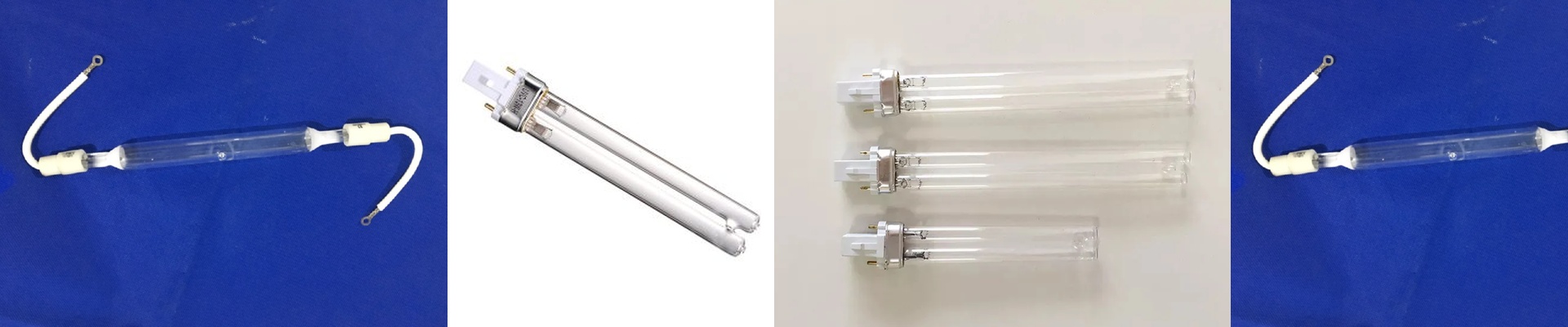
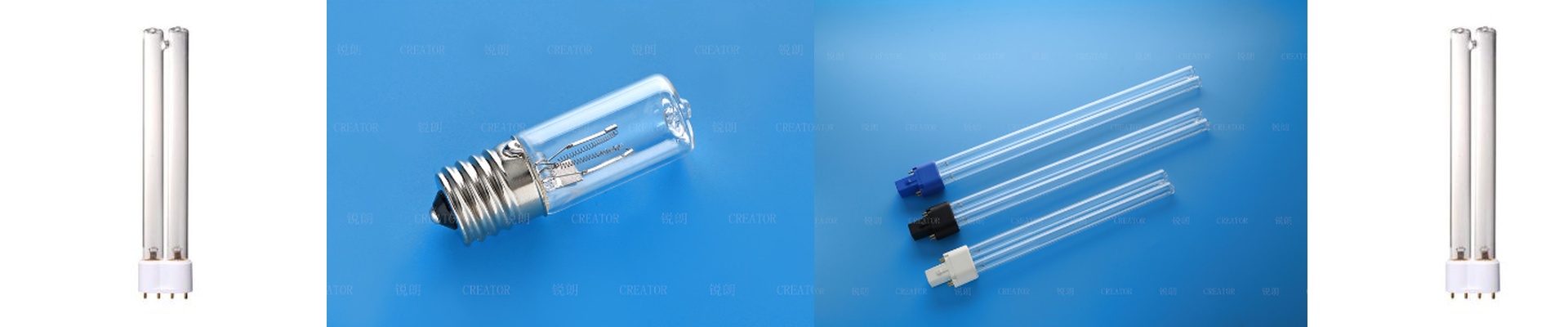
Most germicidal lamps rely on low-pressure mercury vapor. We spend a lot of time calibrating the arc discharge because we want the energy concentrated right at that 253.7nm mark. But here’s the catch: the glass matters. If the quartz sleeve has too many impurities, it drinks up the UVC before the light even leaves the tube. That’s why we use high-transmittance synthetic quartz. It keeps the energy moving outward, where it belongs.
The Trade-offs (and the Heat)
Let’s be honest—UVC is nasty stuff for your skin and eyes. We don’t mess around with that, so our systems are built with strict shielding. To get a fast kill rate, you need high irradiance, which means pushing the wattage up. But more power means more heat. These lamps run hot. If your housing doesn’t breathe, the temperature spikes and your UVC output actually starts to tank. It’s a balancing act. You have to match your wattage to your cooling, or you’re just wasting electricity.
Putting it to Work
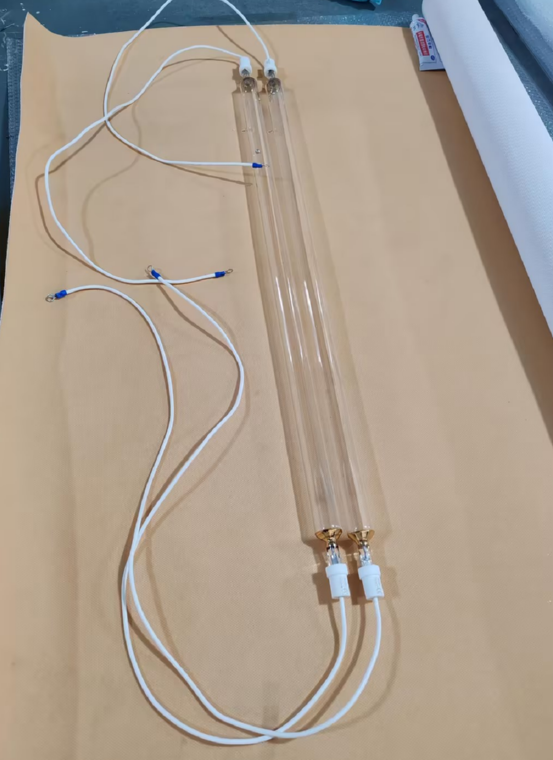
We built these to slide right into industrial HVAC systems or water treatment skids without a headache. We focus heavily on electrode stability. There is nothing worse than a lamp that flickers or refuses to start when it’s supposed to—especially when you’re relying on it to keep an environment sterile. We test every single batch for spectral purity. That way, when you wire it up, you know the dose you’re delivering is exactly what the math promised.