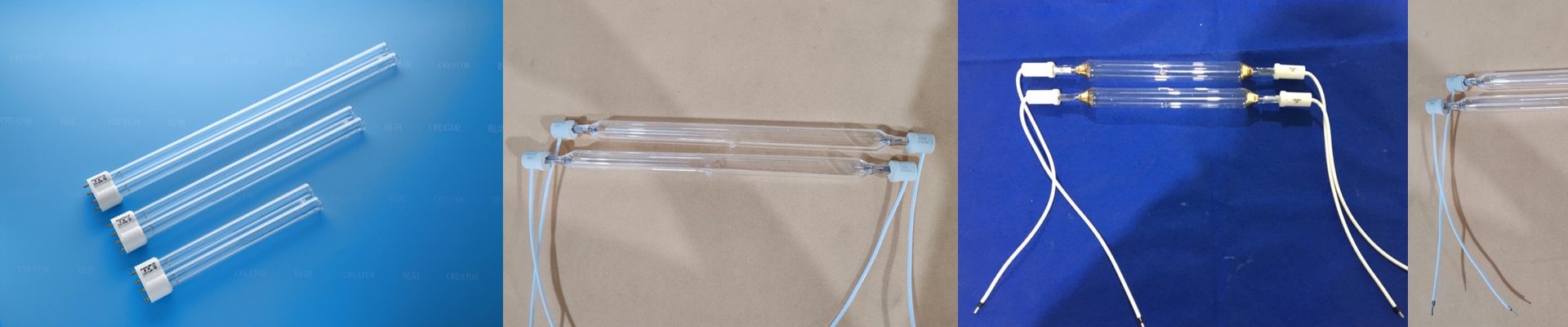
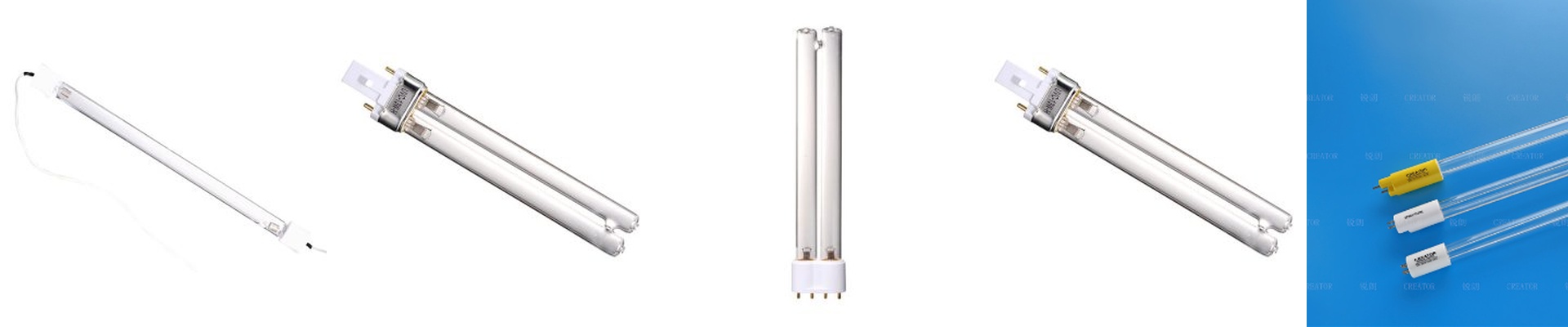
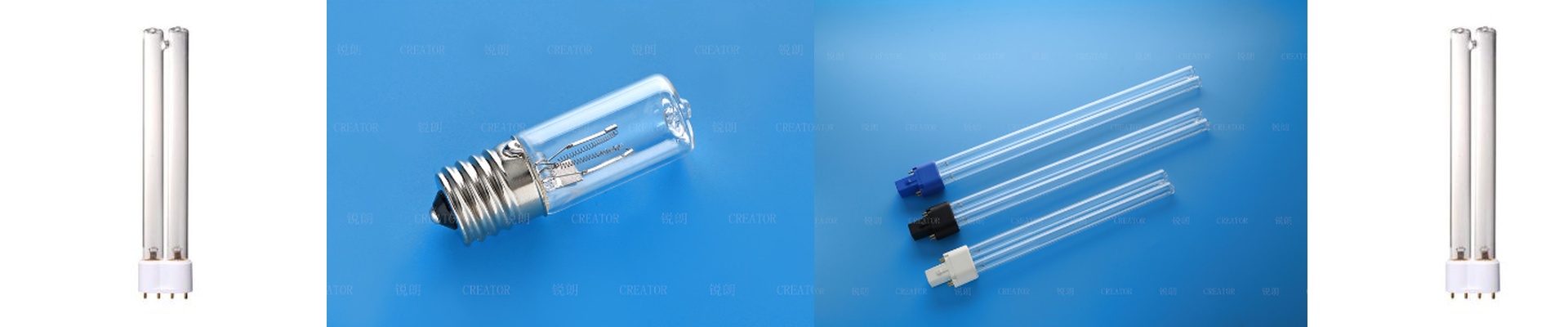
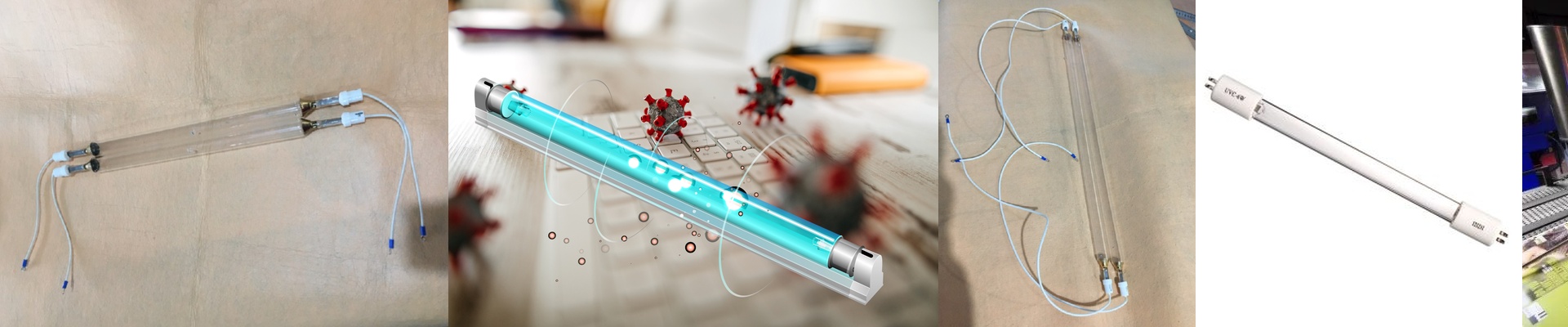
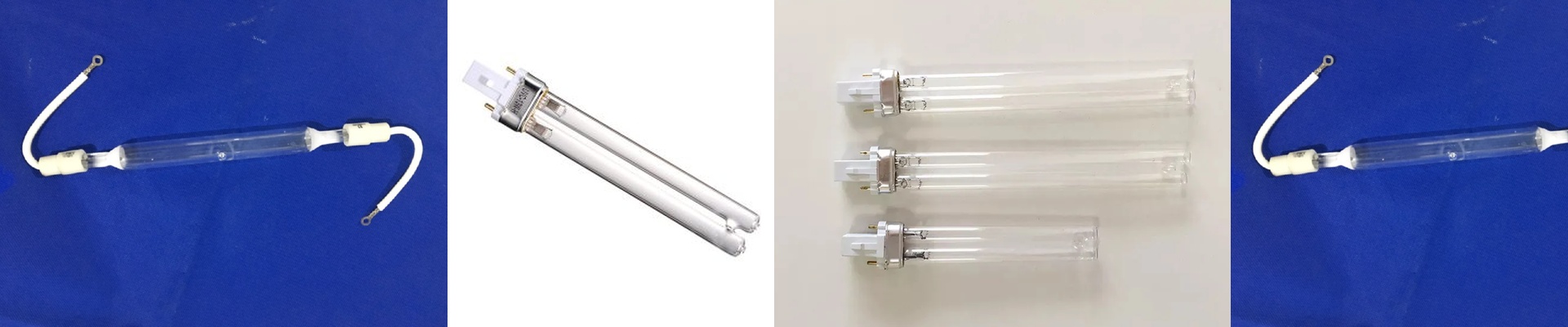
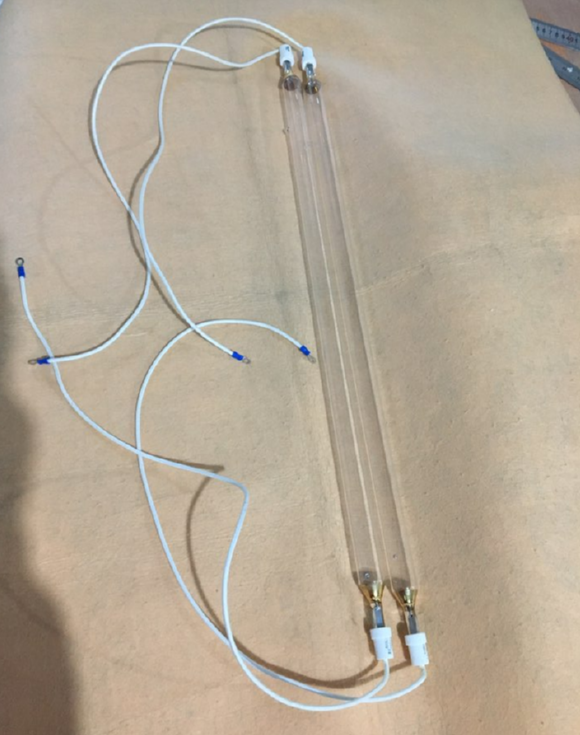
We’ve walked through about 3,000 printing plants, and we kept seeing the same frustrating pattern. A shop buys lamps that look amazing on a spec sheet, but the second they hit the actual shop floor, they burn out. It’s a nightmare. If you’re planning for where production is heading in the next couple of years, you can’t just rely on a piece of paper; you need gear that actually survives the grind. The trick is all in the balance. You have to get the wattage and arc stability just right. High-pressure mercury lamps need a very specific plasma state to get those UVC and UVB wavelengths moving. The problem is, if you cram too much current into a tube that’s too small, you get hotspots. We build our tubes to keep that light spread evenly from end to end. Why? Because nobody wants “zebra striping” on their cured work. It looks amateur, and it’s a pain to fix. Then there’s the build quality. We use high-purity fused quartz. It has to be. These things deal with insane internal pressure and thermal shocks that would crack cheaper glass in a heartbeat. And the electrodes? That’s usually where the cheap stuff gives up. We use a tungsten-based alloy to stop them from pitting. It just lasts longer. But here’s a pro tip:keep an eye on your cooling. A high-wattage lamp puts out a massive amount of IR heat. If your conveyor fans aren’t up to the task, that quartz envelope is going to overheat. When that happens, you’ll see your lamp life drop by about 30%. It’s a waste of money. Making it work in your shop. We designed these to be simple drop-in replacements. You don’t need a degree in engineering to swap them out. Just make sure your ballast matches the lamp’s impedance exactly. If it’s off, you’ll get flickering or the end-caps will fail way too soon. We’ve cut out all the fluff to focus on raw power. You get a steady UV output that hits the ink fast. That means you can crank up your line speed and actually trust that the ink isn’t going to stay tacky.