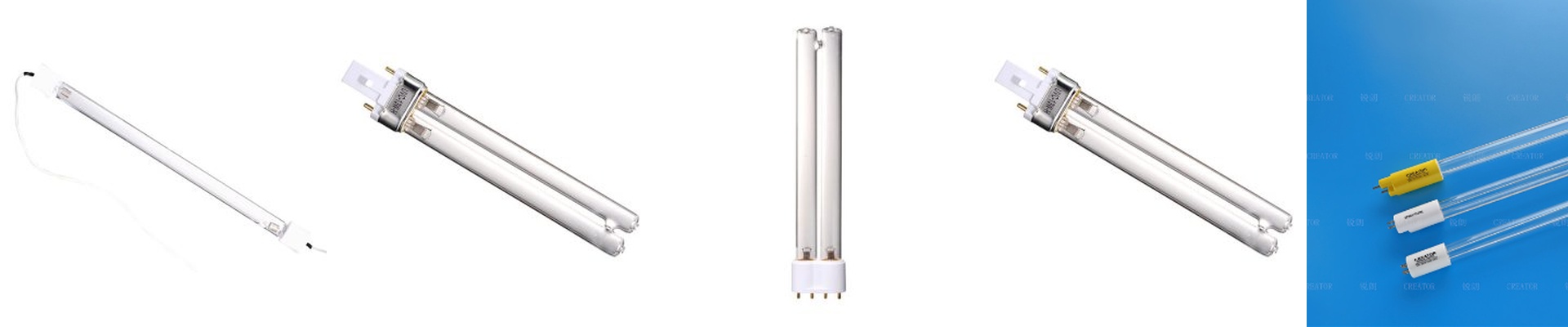
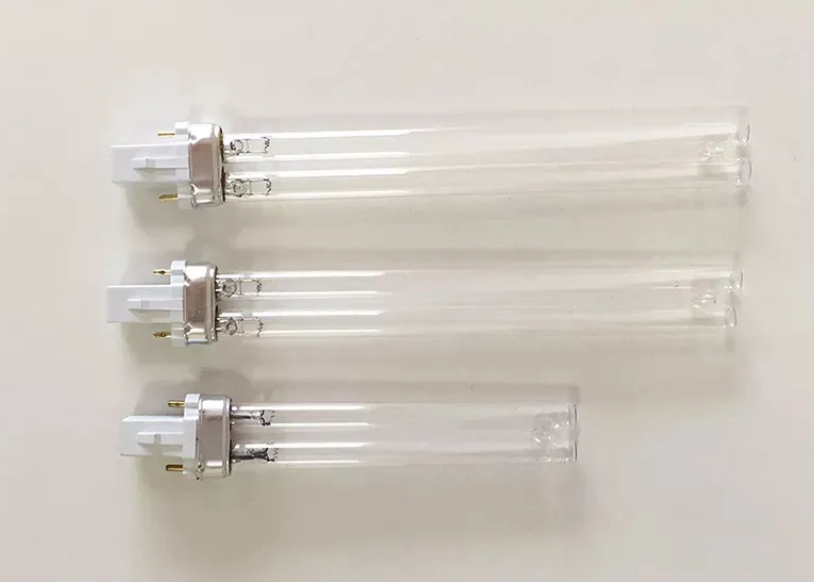
The Hidden Headache of Buying UV-C Lamps in Bulk
When you’re ordering germicidal UV bulbs in bulk, it’s easy to get tunnel vision. You look at the wattage, check the UVC output, and hit “buy.” But if you’re moving these things across borders, there’s a risk that has nothing to do with a burnt-out filament. I’m talking about IP infringement. It sounds like something for the lawyers to worry about, but it hits your bottom line fast. Customs agents in the US and EU are surprisingly eagle-eyed. If they see a shipment that looks too much like a patented electrode design or a specific quartz coating, they’ll seize the whole lot. Just like that, your inventory is gone.
Why the “Cheap” Option is Risky
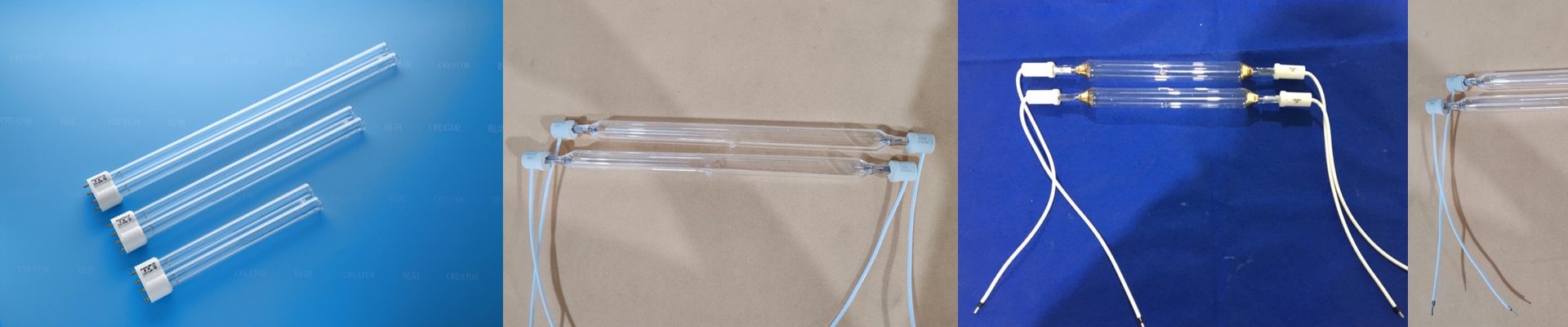
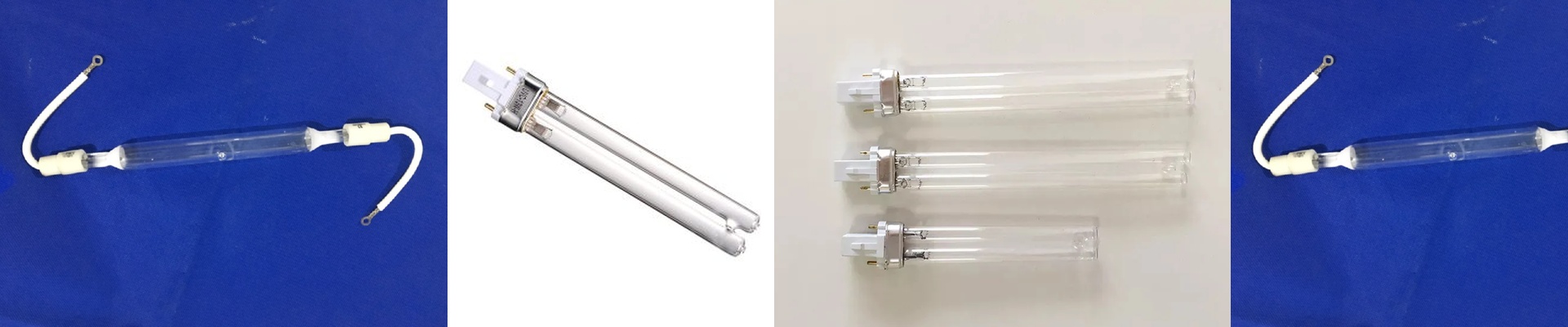
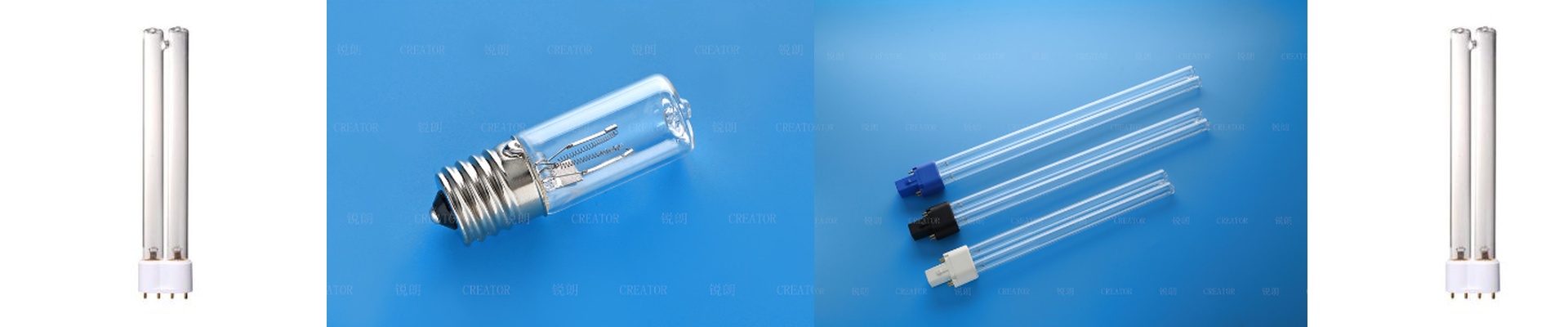
We spend a lot of time obsessing over the little things—the electrode geometry and the exact gas-fill ratios. It’s not just for the sake of being fancy. It’s what keeps the lamp hitting that 253.7nm peak wavelength without drifting. When you buy from a supplier who actually owns their patents, you’re getting more than just a piece of glass and metal. You’re getting the legal green light to sell that design in your market. Generic bulbs love to copy these designs. But if your shipment gets flagged at a customs check because it looks like a competitor’s patented tech, your gear gets locked down. You lose your money, you lose your timeline, and you’re left staring at an empty warehouse.
Don’t Melt Your Circuitry
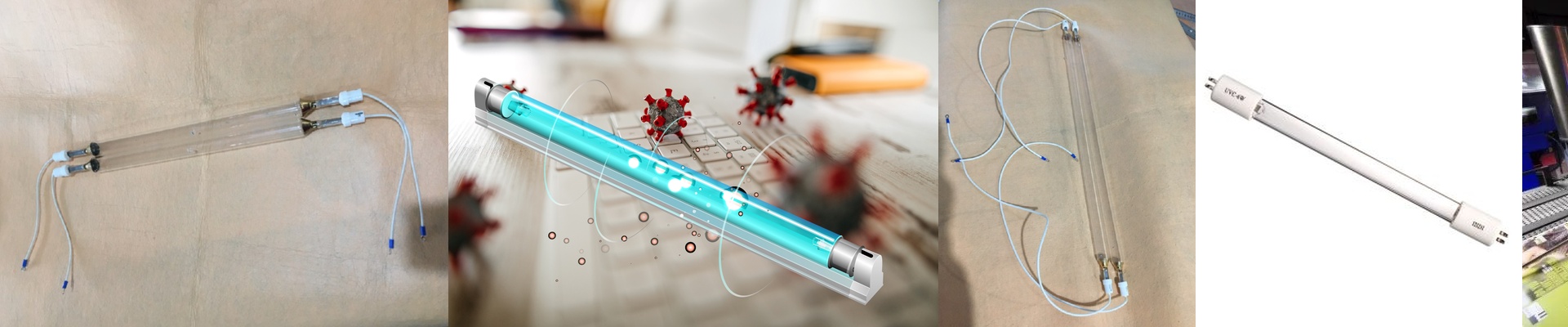
Here’s another thing: heat. Higher wattage lamps kill germs faster, but they run hot. Really hot. We build our quartz envelopes to take that thermal stress, but the bulb is only half the battle. You’ve got to make sure your ballast and cooling fans can actually handle the load. If you try to cram a high-output bulb into a chassis meant for low-wattage tubes, you’re basically building a toaster. You’ll cook your circuitry before the week is out.
Getting Through Customs Without the Drama
Shipping across borders should be boring. That’s the goal. To make that happen, you need a clean paper trail. We handle the patent docs and the certifications required to clear customs so your logistics team doesn’t have to play a guessing game with a government agent. It means you get a replacement that actually works on the shop floor and doesn’t get held hostage at the port. Simple.