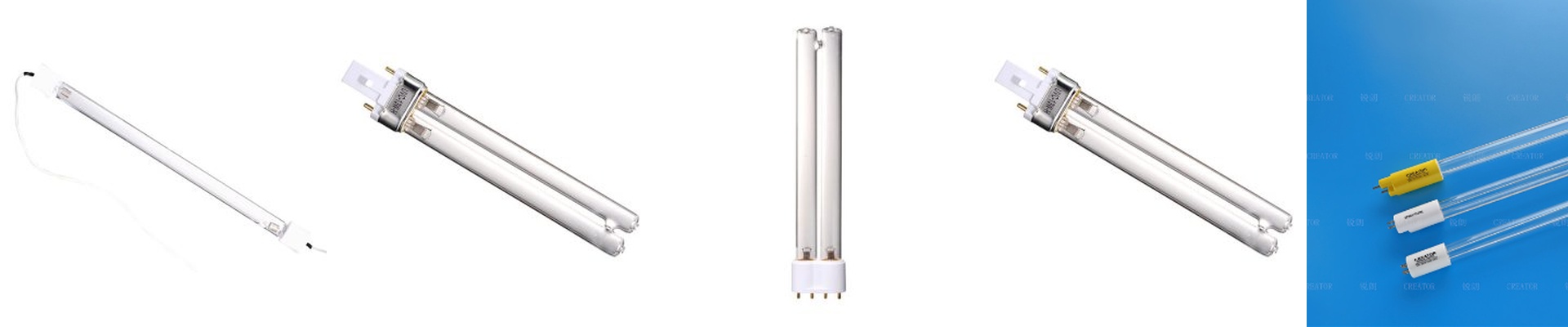
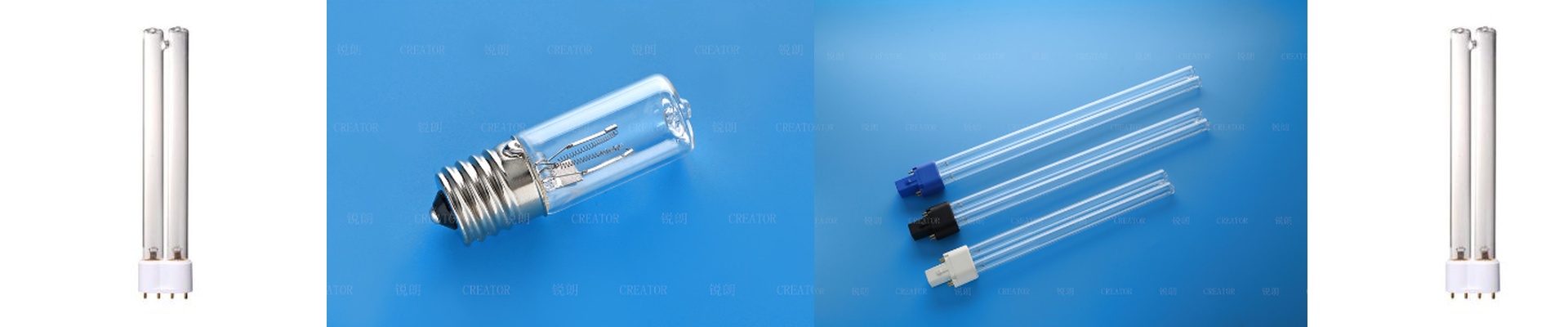
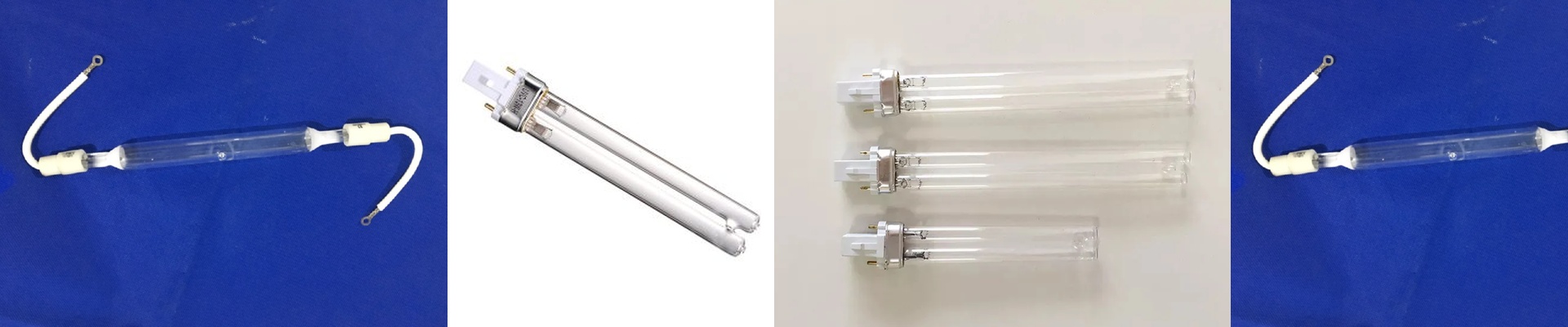
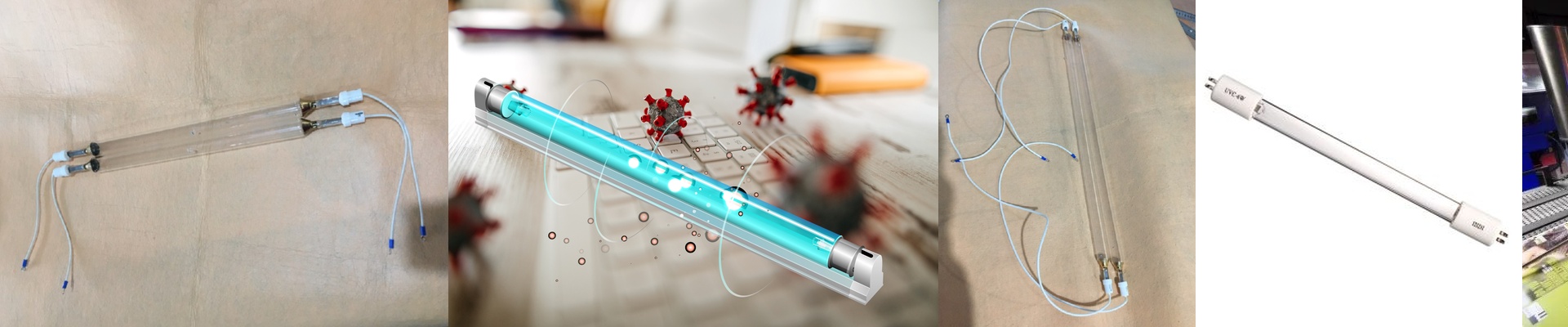

Getting the Cure Right: A Real Talk on Gallium Iodide UV Lamps
If you’ve ever struggled with thick coatings or heavy pigments that just won’t dry, you know the frustration. Standard mercury lamps usually hit the UVC and UVB range, but those short wavelengths get blocked far too easily. That’s where Gallium Iodide (GaI) comes in. By adding gallium, we shift that light over to the UVA spectrum—specifically around 365nm. It’s the difference between a light that bounces off the surface and one that actually sinks in.
Getting the power just right
We don’t believe in “one size fits all.” We build these lamps to hit the exact intensity you need. Depending on the gallium concentration and the tube diameter, we can tweak how many photons are actually hitting your material. Need a ton of power in a tiny space? We just crank up the current density. One quick tip:**make sure your ballast matches the lamp’s impedance.**If they aren’t in sync, you’re looking at flickering arcs or electrodes that burn out way too soon. Nobody wants that.
The gear inside
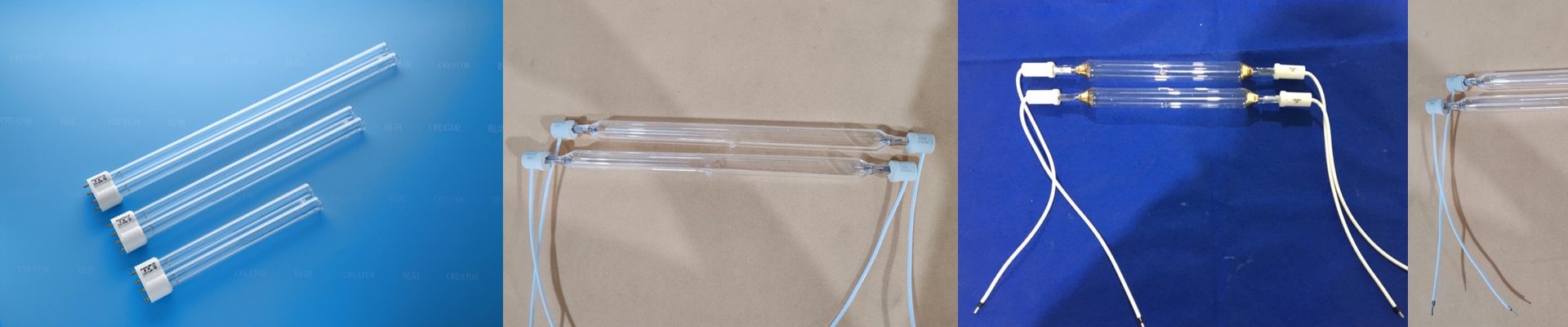
We use high-purity fused quartz for the housing. Why? Because regular glass is basically a wall to UV light; quartz lets it fly right through. If you’re worried about your parts warping from the heat, we can add special coatings to the outside to filter out the infrared. It keeps things cool. Plus, we keep the end-cap measurements tight. You should be able to slide these into your current fixtures without having to rebuild your entire setup.
The trade-off
Here is the honest truth: GaI lamps are beasts when it comes to deep curing. They penetrate resins way better than the standard stuff. But they runhot. Really hot. If your cooling fans or water jackets aren’t up to the task, the lamp will overheat and your UV output will tank. It’s a simple physics problem. We’re confident these will perform just as well as the big-name brands. In fact, if the cure rate doesn’t hit the mark we promised, we’ll give you your money back. Simple as that.