Cleaning Up UV Production
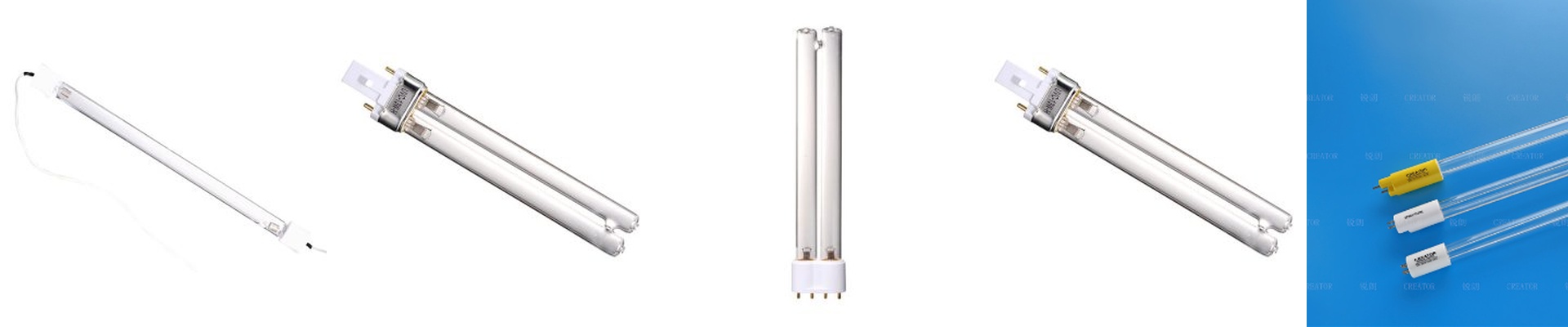
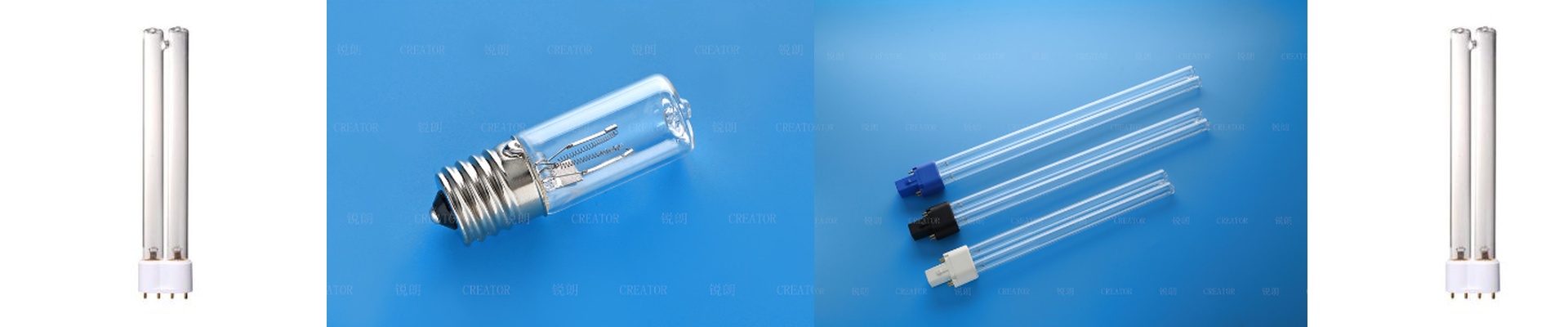
Let’s be honest: dealing with old UV lamps is a pain. Between the mercury vapor and the constant worry about a spill on the factory floor, it’s a disposal nightmare nobody actually wants to manage. We decided to change that. We’re moving away from the toxic stuff and focusing on lamps that actually last.
Why these actually last
It isn’t magic. It’s just better engineering. Most cheap replacements burn out because they can’t handle the heat or the electrodes just give up. We fixed that by using reinforced quartz and a better gas mix. The result? Less flicker. Stable pressure. And way more hours of life. For you, that just meansfewer shutdownsand less time spent climbing ladders to swap out dead bulbs.
Ditching the toxins
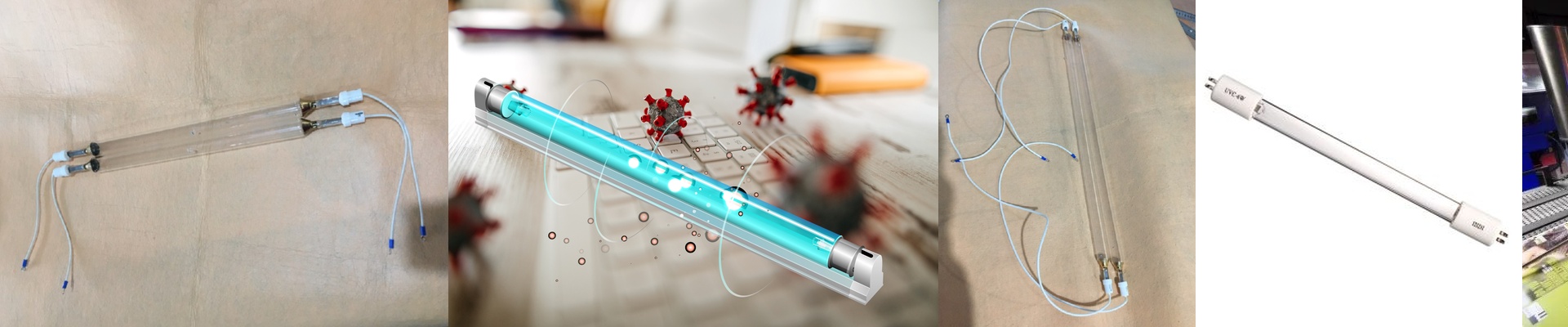
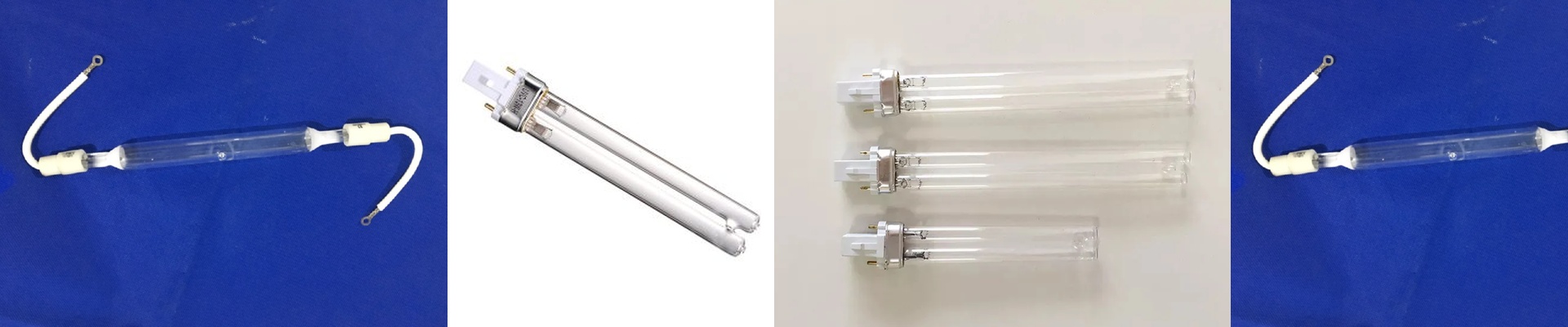
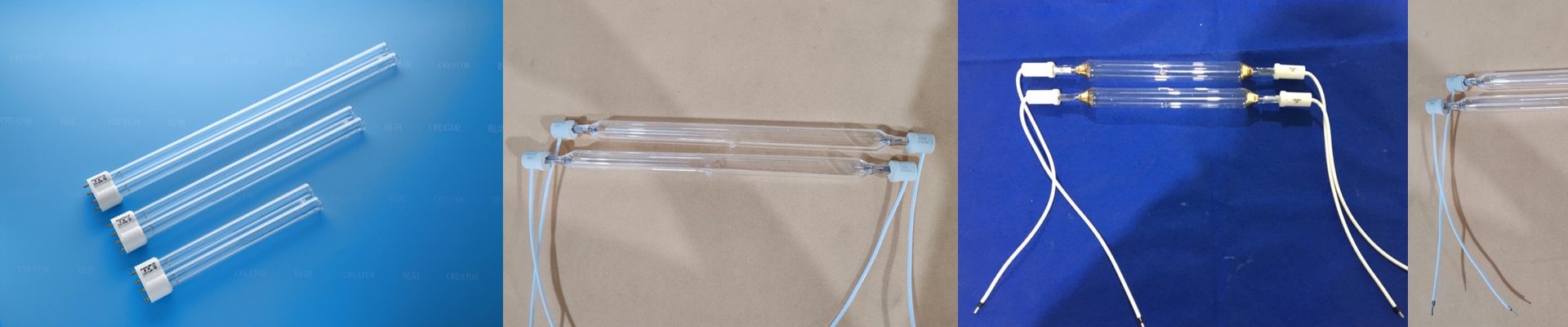
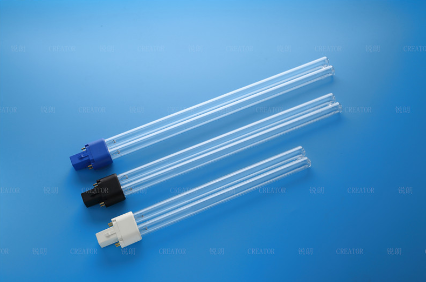
We stripped out the hazardous materials. Now, if a lamp breaks, you don’t have to trigger a full-scale hazmat cleanup. It’s a huge relief. The best part is that these are “drop-in” replacements. You don’t need to rip out your wiring or rebuild your entire array to go green. They fit right into your standard housings, but the chemistry inside is just… better. You get a cleaner spectral output without the headache.
A few tips for the engineers
Here is the catch: you’ll want to keep an eye on your power supply. These lamps don’t behave exactly like those old mercury tubes, so the impedance is a bit different. If your ballasts are ancient, you might notice the intensity shift a little. I’d suggest checking your current draw during the first 100 hours just to be safe. And please,check your cooling fans. These lamps are tough, but heat is still the enemy. Keep the air moving, and these will easily outlast whatever you were using before.