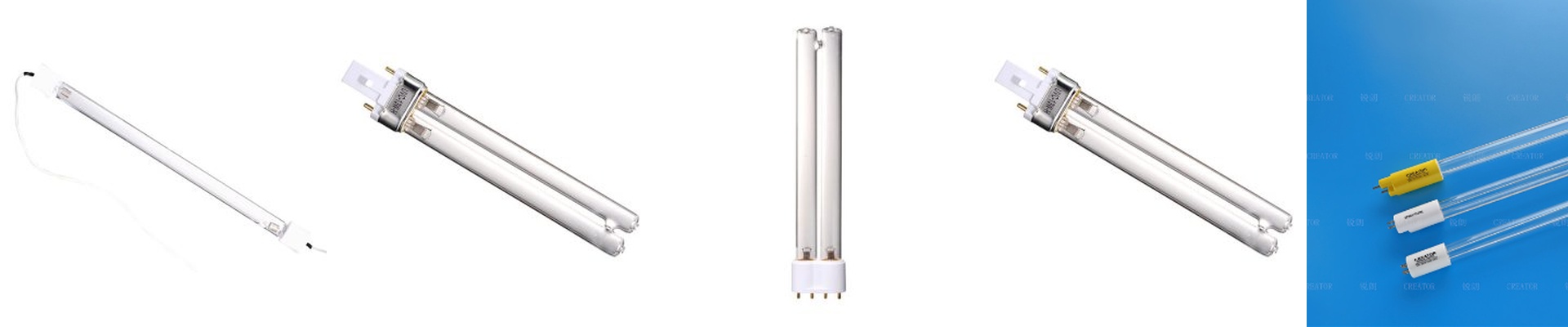
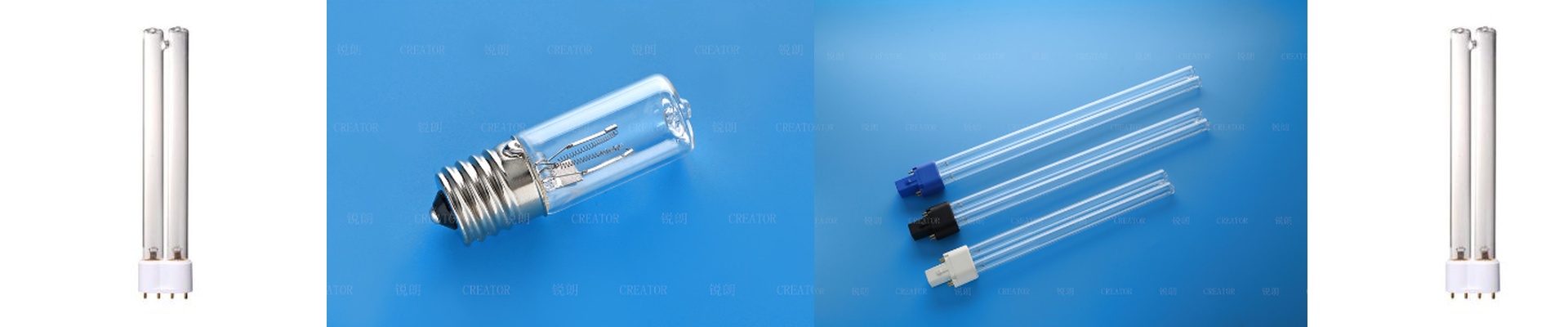
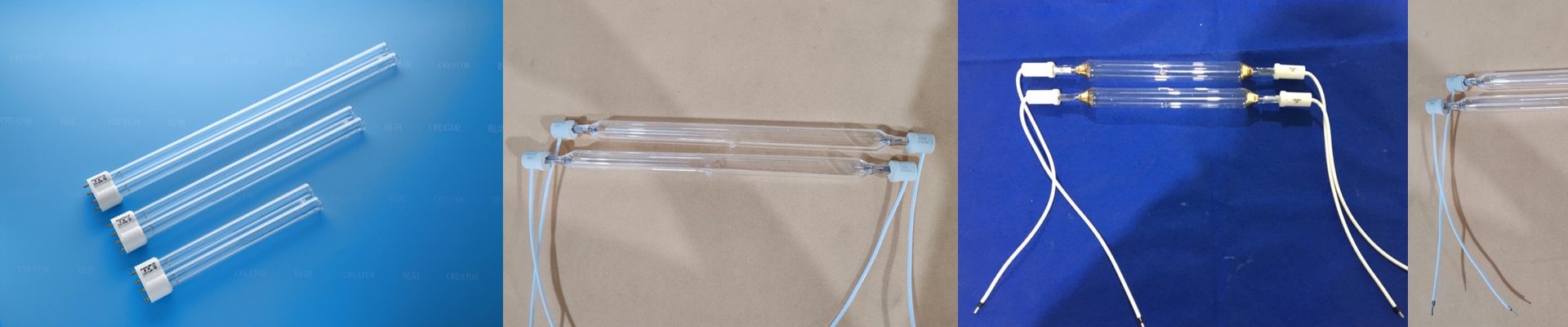
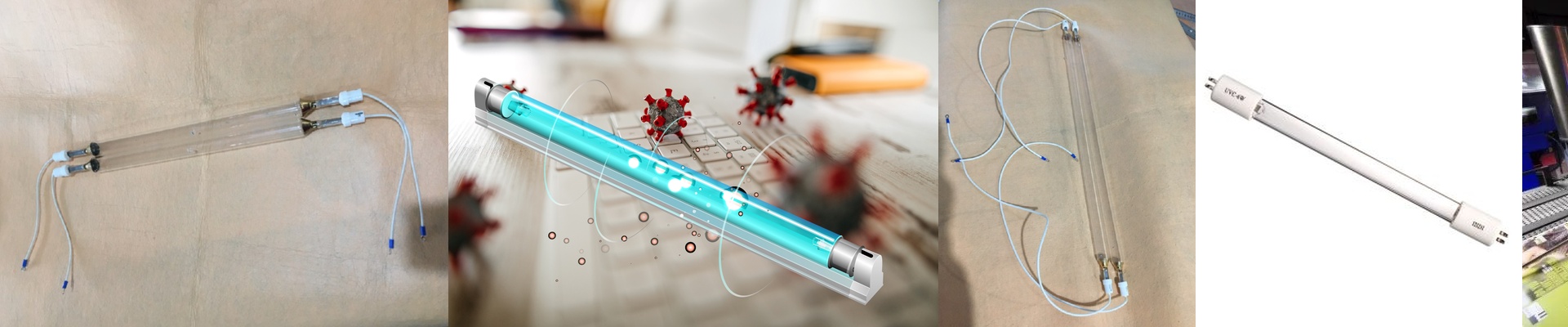
On the press floor, heat isn’t the problem. What kills you is uncontrolled microbial load. In folding carton lines and label finishing, bioburden on the substrate and rollers will foul UV curing, drive rework, and stretch changeovers. The real question isn’t about heating—it’s about delivering repeatable, measured photon energy exactly where you need it.
What matters, technically
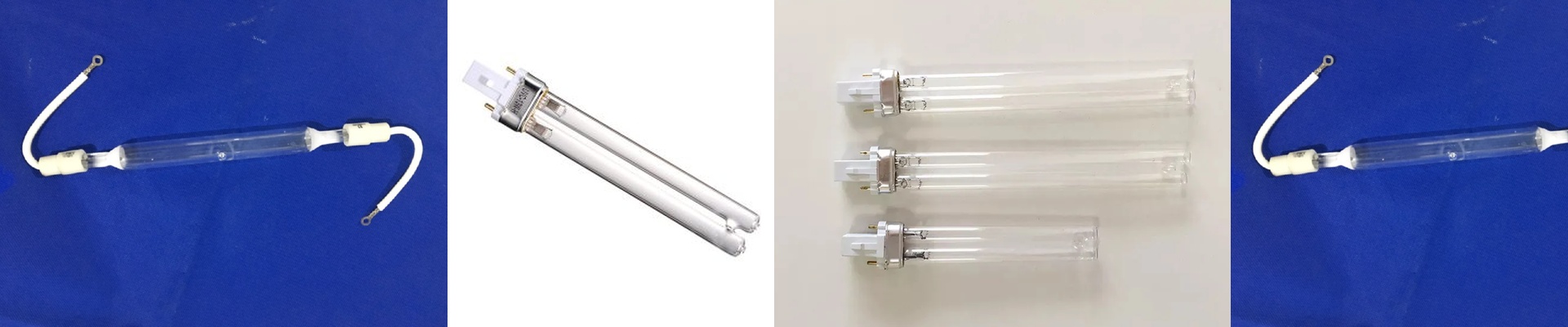
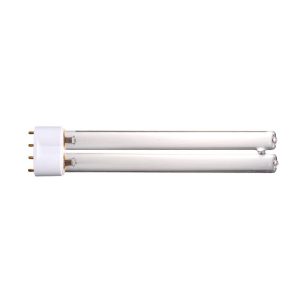
GE UV germicidal lights are low-pressure mercury vapor lamps built around the 254nm mercury line. That gives you targeted germicidal action with high quantum efficiency. We spec quartz envelopes for UV transmission and thermal stability, so output stays stable through the repeated on/off cycles that come with printing equipment. We quantify output as irradiance (mW/cm²) at the target plane, not as bulk temperature rise. The system is designed to deliver consistent photon flux to disrupt microbial DNA, while staying compatible with the UV-curable inks and coatings that rely on 365–405nm photoinitiators.
Why it works in finishing
In a finishing department, you need a fast, non-contact microbial reduction step that won’t distort thin films or trap solvents. GE UV germicidal lights do exactly that, without raising substrate temperature the way thermal methods do. The payoff is a repeatable sanitation step that supports tighter scheduling, fewer contamination-related defects, and less chemical wiping. For converters running 24/7, that means fewer line stops, more predictable quality, and lower consumable spend.
The details you can’t skip
UVC at 254nm is effective, but it demands disciplined engineering. Reflector alignment and housing position directly determine delivered irradiance—small misalignment can cut your effective dose. Use ozone-free variants and get the airflow right to protect operators and nearby materials. Integrate the lamp into a shielded, interlocked module sized for your web width and dwell distance, and confirm it plays with your machine’s power and thermal management. Then measure with a calibrated UV radiometer at the intended working distance to verify dose, and lock down the process window.