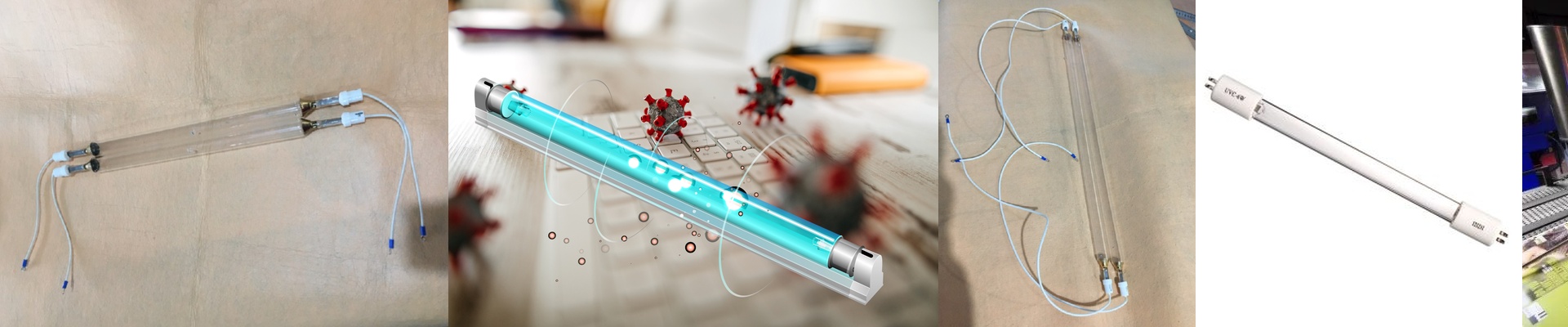
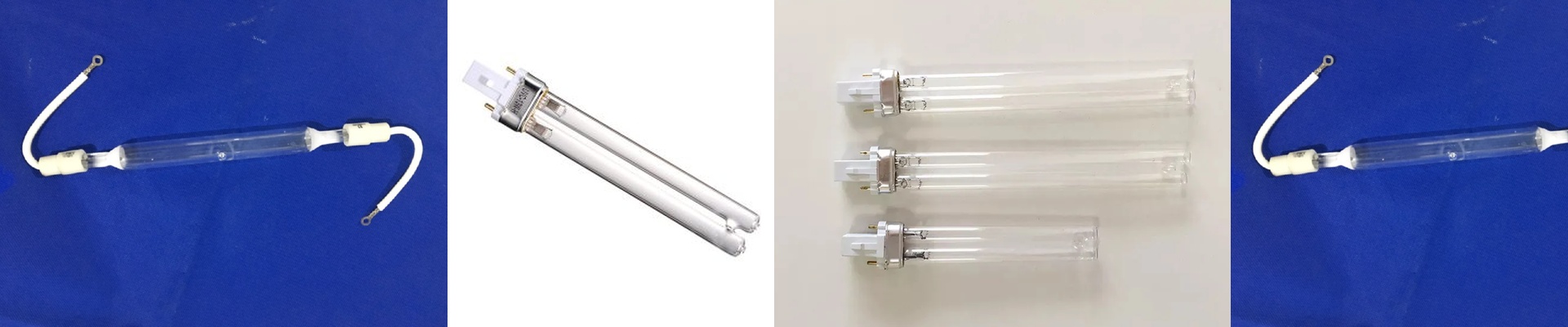
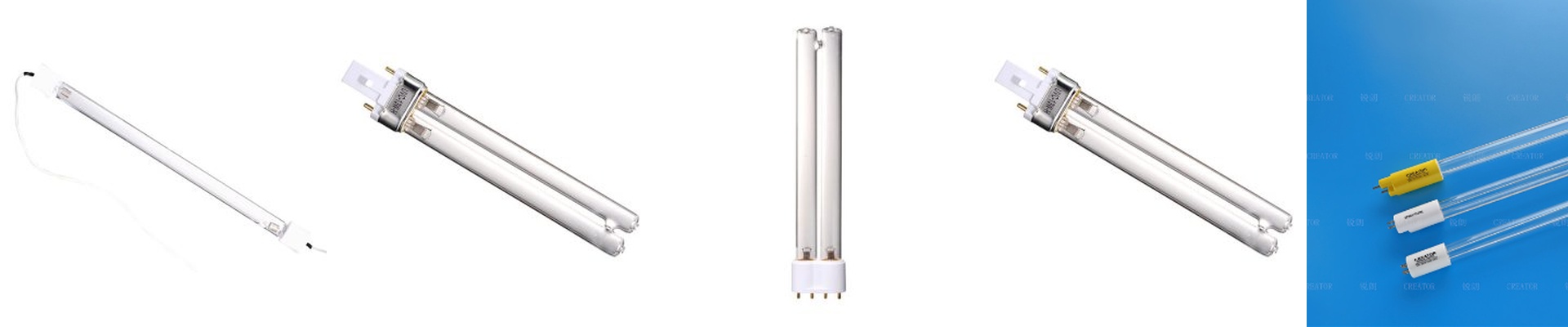
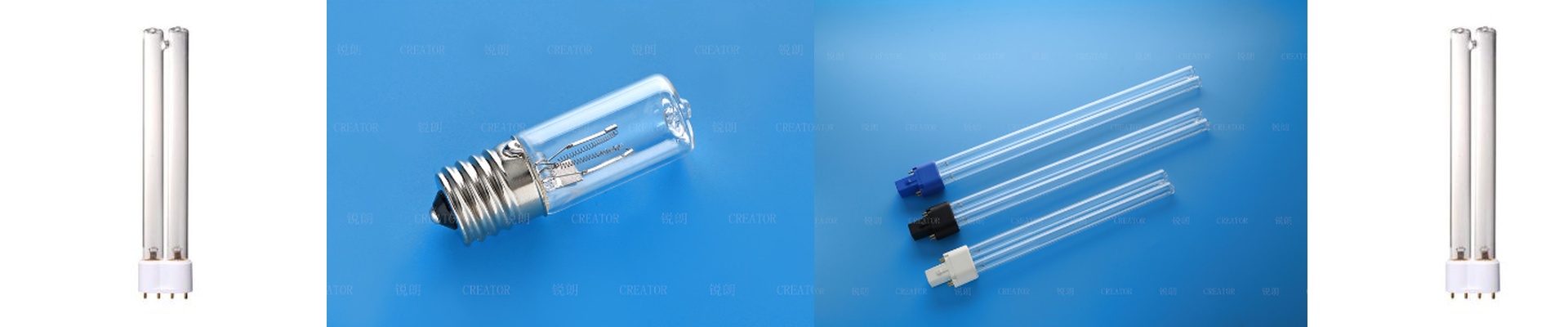
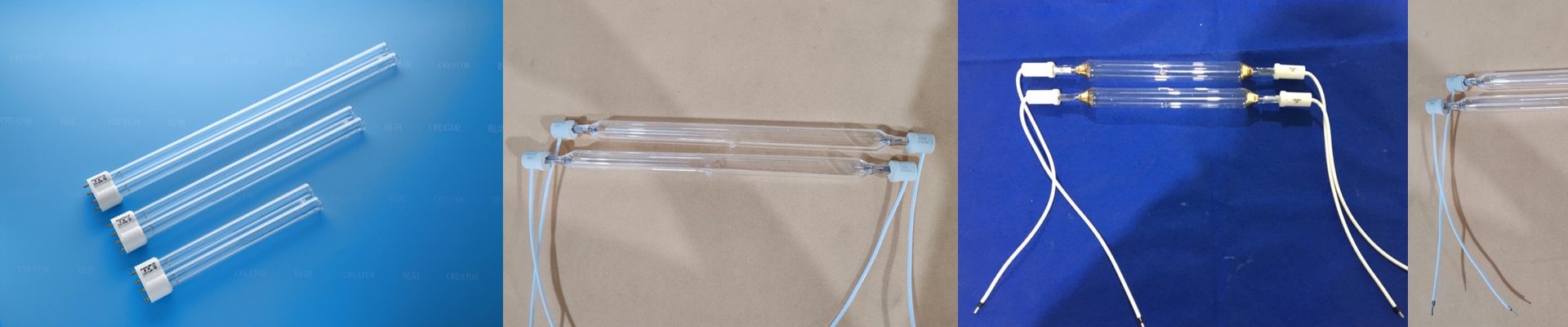
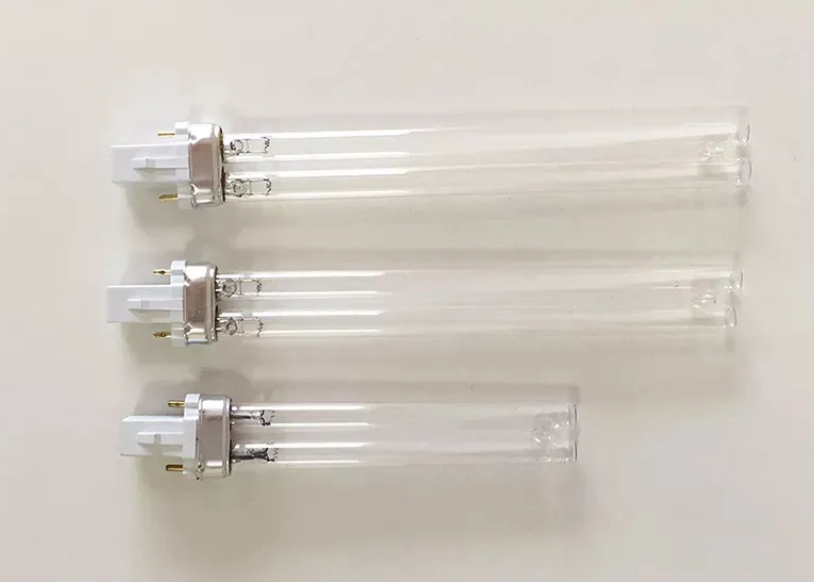
On an automated elliptical screen line, the flash-dry dwell sets the pace. Every extra second under the lamp is a lost cycle. The constraint isn’t ink delivery—it’s curing speed. What matters, technically We build UVC germicidal lamps with a built-in timer so you get repeatable, high-intensity exposure at 254 nm. Peak irradiance is tuned to ≥120 mW/cm² at the substrate plane, and the spectral purity keeps out-of-band energy in check so the photoinitiator response stays stable. The timer locks exposure duration to ±5 ms, which removes operator variance and prevents the two classic failures: over-exposure that yellows substrates, or under-exposure that leaves tack. In an elliptical machine, the flash-dry station has to cure the ink film before the substrate advances. You can shorten flash time by 20–30% when the lamp fires exactly where the print recipe says, for exactly the required duration. The timer keeps activation inside the synchronized window, so warm-up swings shrink and lamp temperature holds steady across shifts. That translates into more cycles per hour, while cross-link density and adhesion stay right where they need to be. Energy use drops because the lamp isn’t idling between hits, and lamp life improves because the duty cycle is managed. Mounting and alignment are not optional. The reflector has to land within ±1 mm so the designed irradiance profile stays consistent across the print width. Make sure the lamp is ozone-free and matches the printer’s shutter and air-cooling ducting. Check that the timer’s control voltage lines up with your PLC output. Expect about 10–15% initial output decay, and plan radiometer checks at 250 hours to recalibrate exposure energy and keep the cure consistent.