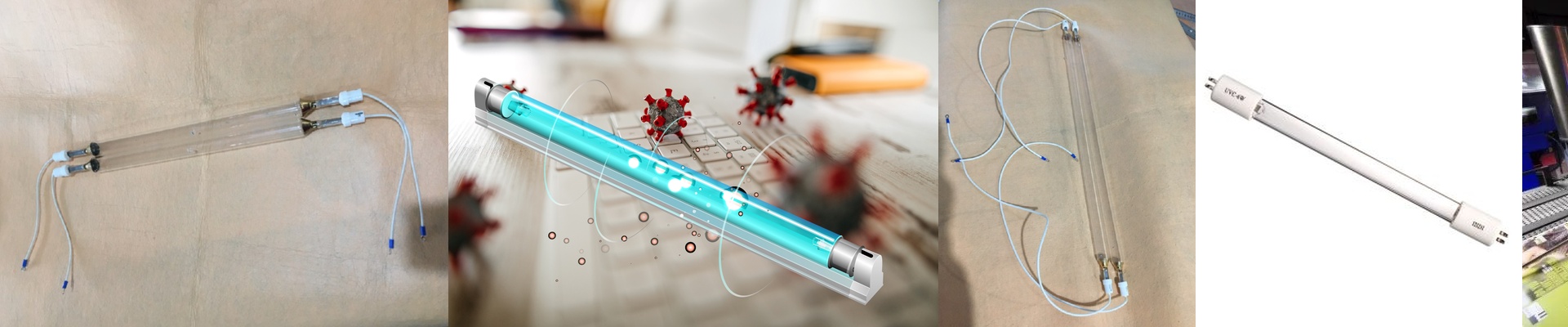
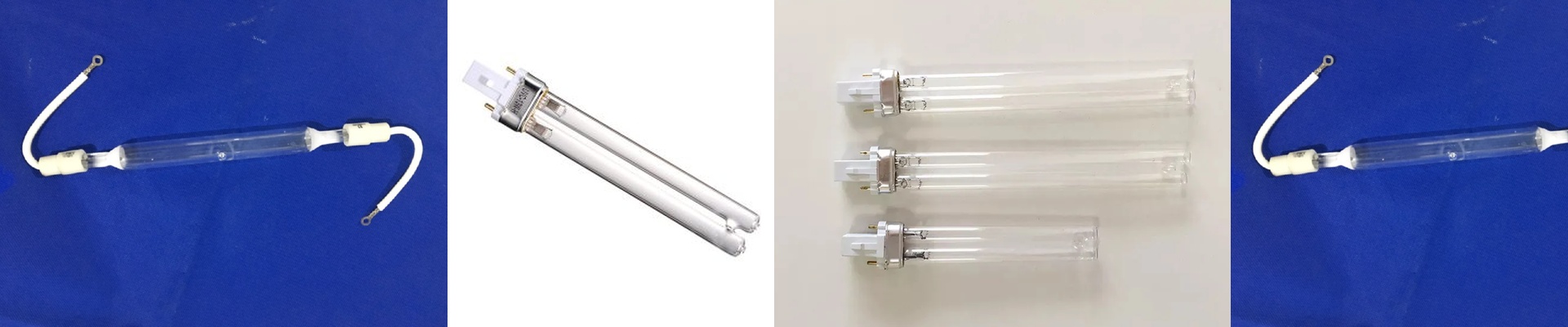
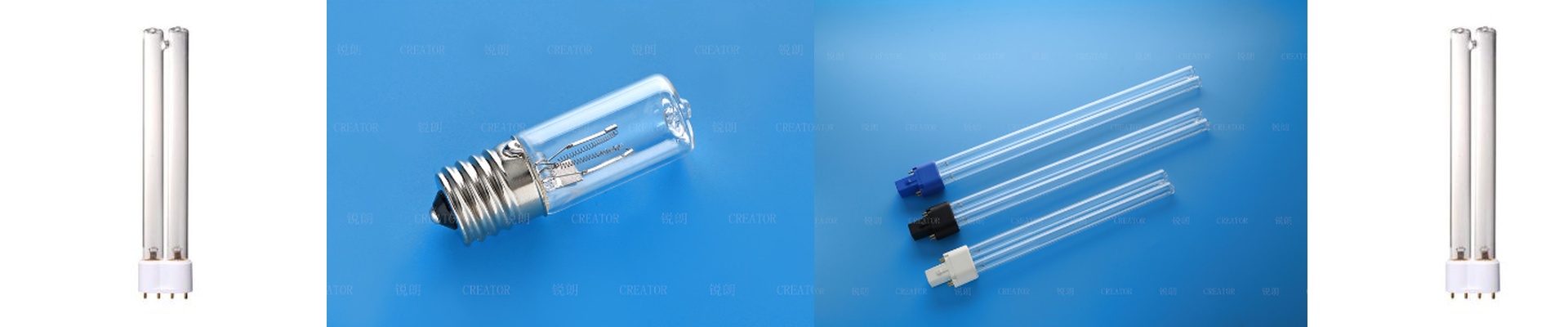
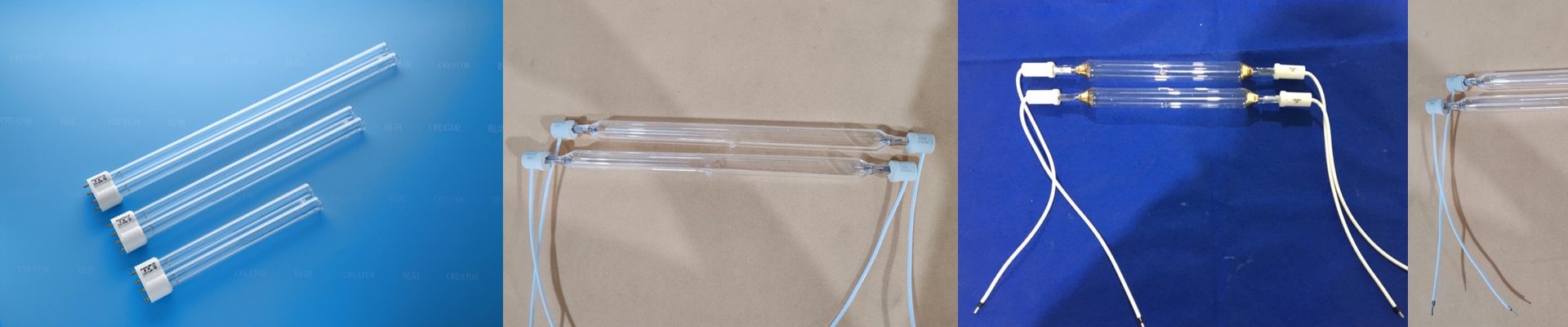
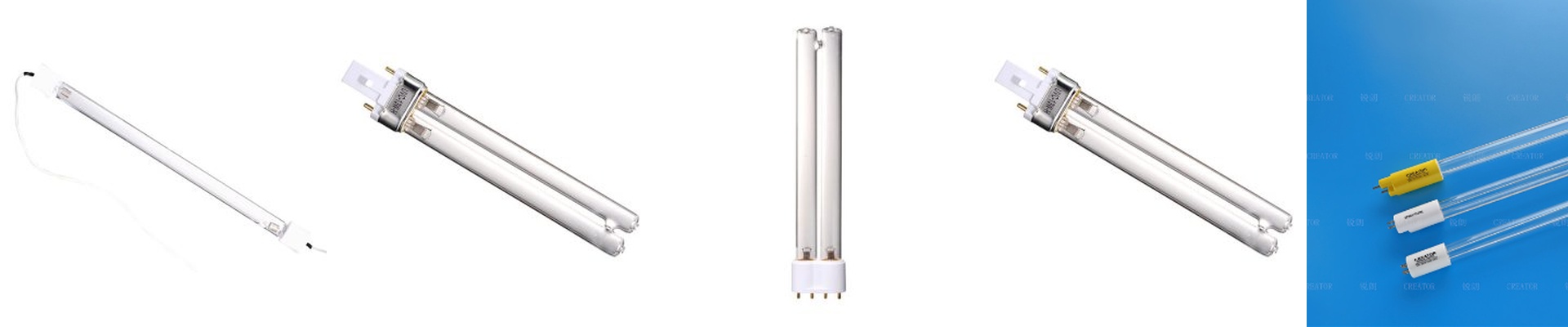
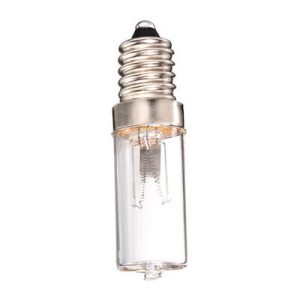
On the shop floor, screen exposure is where throughput and repeatability collide. Underexposed stencils wash out mid-run. Overexposed stencils choke fine detail and eat up press time. The problem usually isn’t the film—it’s the lamp’s spectral output and how evenly it delivers energy across the frame.
What matters, technically
Gallium lamps for screen exposure are built around a mercury-vapor discharge, tuned with gallium iodide to push output toward the 365–405 nm band—right where most photopolymer emulsions absorb efficiently. We specify peak irradiance at the emulsion plane, not just lamp wattage, because curing is about photoinitiator response, not heat. A stable spectral profile keeps dose consistent from exposure to exposure, and the reflector’s dichroic coating controls infrared, which limits thermal stress on thin frames and delicate films. Ozone-free operation and a controlled arc length translate to repeatable intensity across the whole image area.
Why this works in practice
Screen shops need a process that holds dot integrity and edge definition shift after shift. Gallium lamps deliver the wavelength density that drives cross-linking without over-curing, so washout is cleaner, rework drops, and pinholes show up less. Energy density stays repeatable, which cuts variance between operators and between exposures. That means fewer test exposures, faster setups, and a tighter window for holding fine detail.
The things you need to watch
Gallium lamps are sensitive to ignition voltage, ballast matching, and reflector alignment. Output uniformity depends on lamp position relative to the screen and the reflector’s focal point. Build in a documented PM schedule—measure intensity with a radiometer, track spectral shift, and replace lamps before output drift pushes you outside your process window. Compatibility with your exposure unit and power train isn’t optional; confirm connector type, length, and rated voltage before you order.