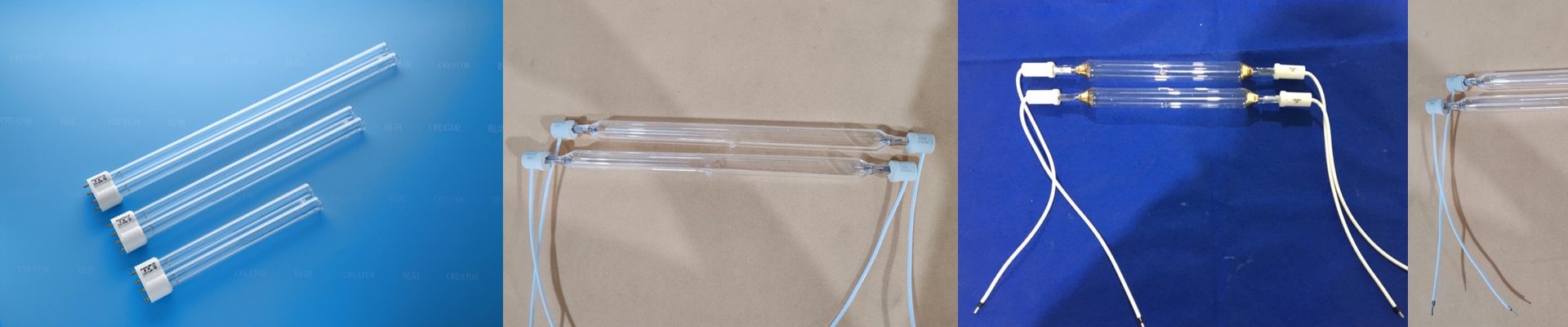
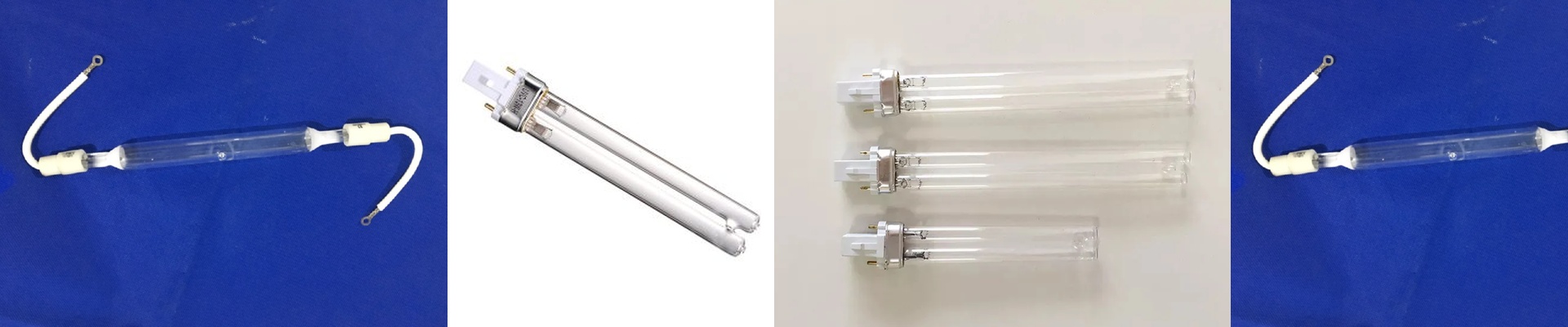
On the garment line, when prints start cracking after washing, you can usually trace it back to one thing: not enough UV dose. If the lamp can’t push full cross-linking through the ink layer, the cured film stays brittle and doesn’t bond properly to the fabric. You see it after the first wash—split seams, flaking, and whole batches that get rejected. The gallium iodide lamp 3000W 380V uses a doped metal-halide chemistry that shifts the spectral output toward longer wavelengths, centered around 385 nm. Compared with standard mercury vapor lamps, that profile penetrates thicker ink films and pigmented layers more evenly, so the photoinitiators down deep still get the reaction they need. At 3000 W, the arc delivers high peak irradiance, which means you can cure faster without cranking the conveyor speed so high that the substrate starts overheating. And the 380 V supply lines up with plant power, so the current draw fits what you already have in the electrical layout. In garment printing—especially when you need wash fastness after water-based work or a plastisol topcoat—deep cure is the difference between a surface that just looks dry and a film that’s mechanically stable. This lamp keeps dose stable across the print width, which cuts down on edge under-cure and those pinholes that show up when you least want them. Over time, that same stable output helps keep cure consistent shift after shift, and that matters when color and hand feel are non-negotiable. But here’s the catch: gallium iodide lamps need precise ignition and arc control, and they’re sensitive to mismatched ballasts and reflector alignment. Install them only with the correct driver and reflector set, and verify dose with a radiometer at the substrate plane. **Match the lamp to the cure window.**Do that, and you avoid wasted energy and premature lamp death.