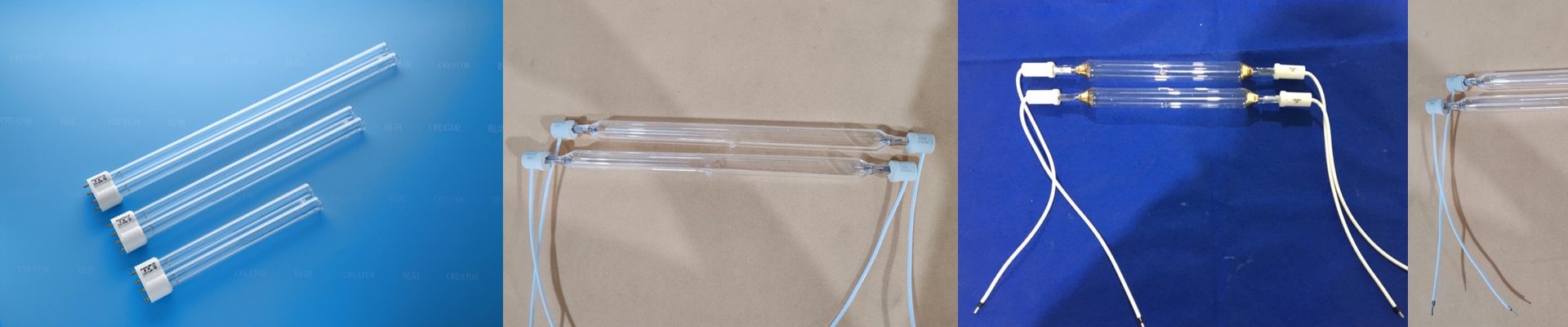
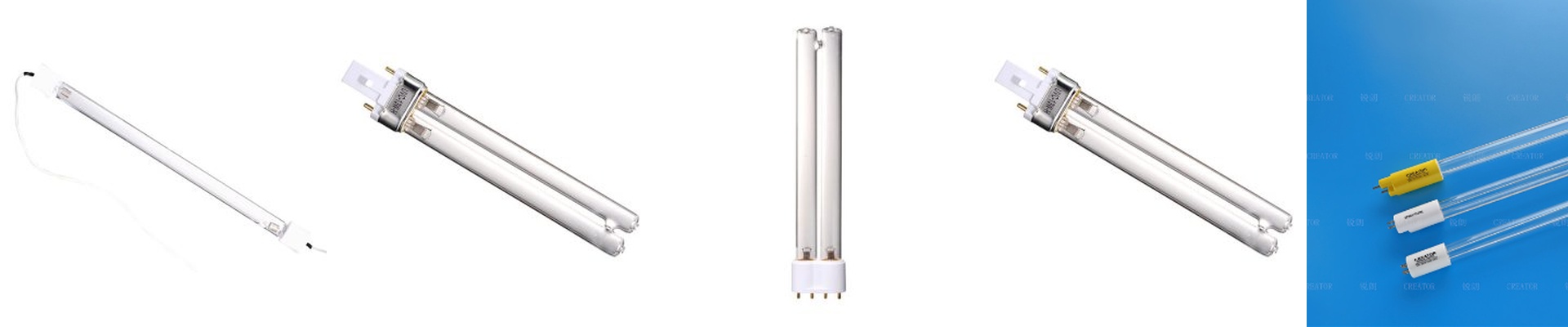
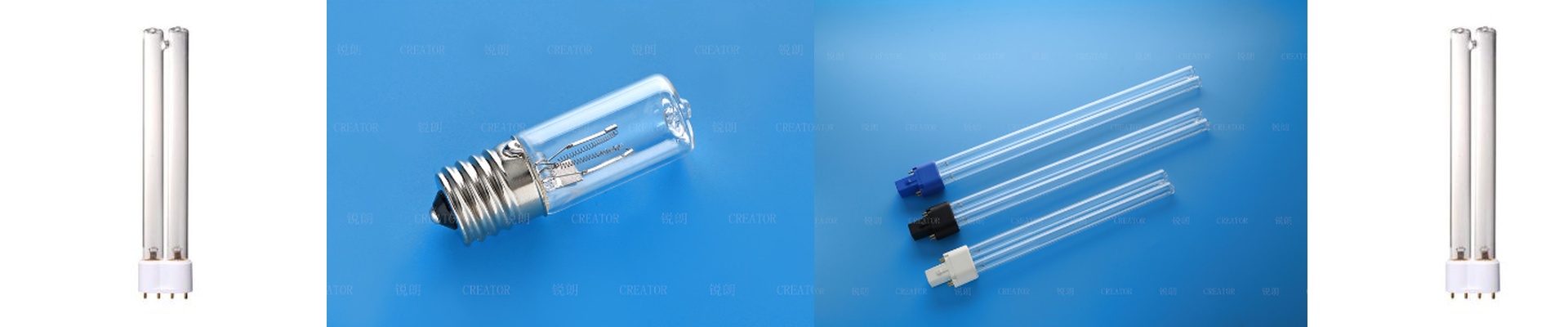
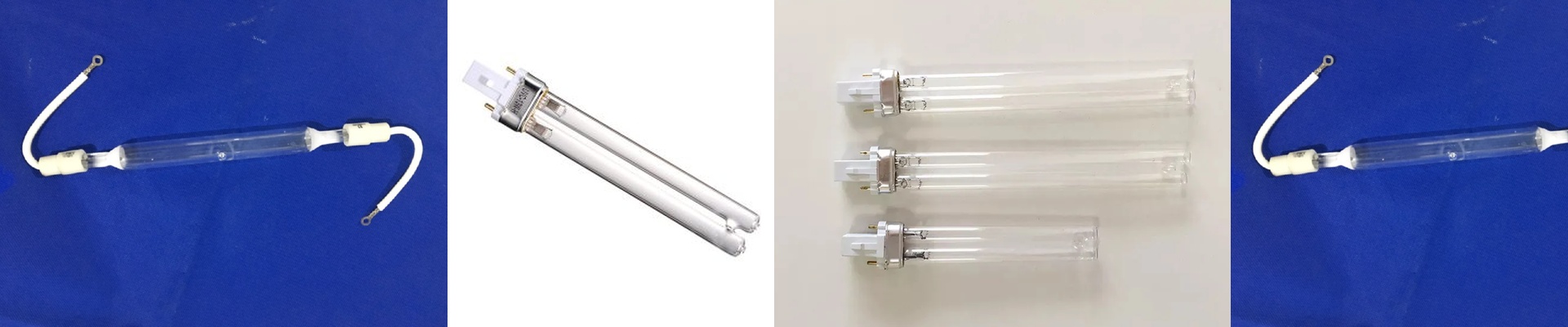
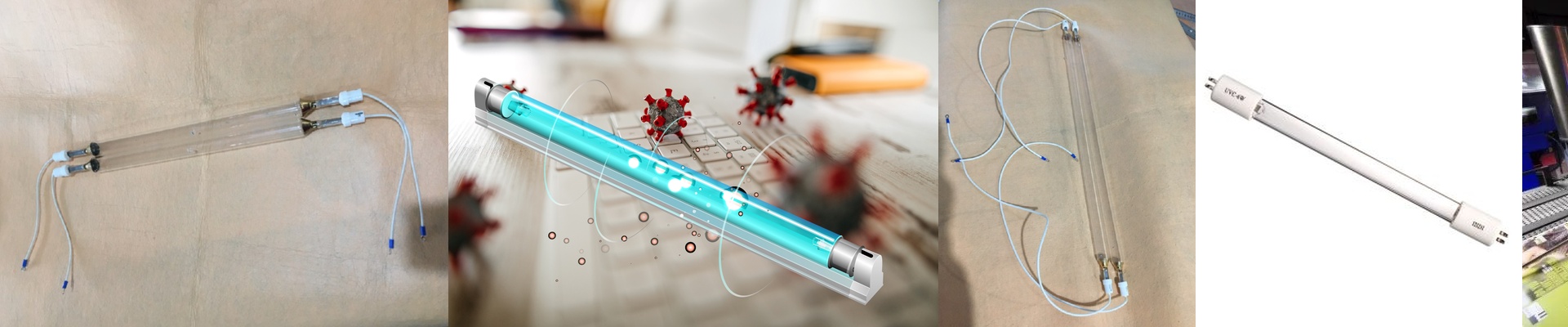
Getting the Wavelength Right: The Realities of Mercury UV Lamps
We don’t just put together lamps. We spend our days obsessing over photon energy. Specifically, that tiny, frustrating gap between “general UV light” and the exact peak wavelength you need to actually cure a polymer or kill a germ without ruining the product.
The Balancing Act of Spectral Output
It all comes down to how mercury atoms behave. To get the right light, we play around with gas pressure and current density. If you’re sterilizing, you’re looking for that 254nm sweet spot. If you’re curing polymers, you need something broader. But here’s the catch: if the pressure is off by even a fraction, the whole thing shifts. Suddenly, your cure rate tanks. You end up with surfaces that feel tacky or, worse, substrates that are literally charred.It’s a thin line between a perfect finish and a waste of materials.
Choosing the Right Glass
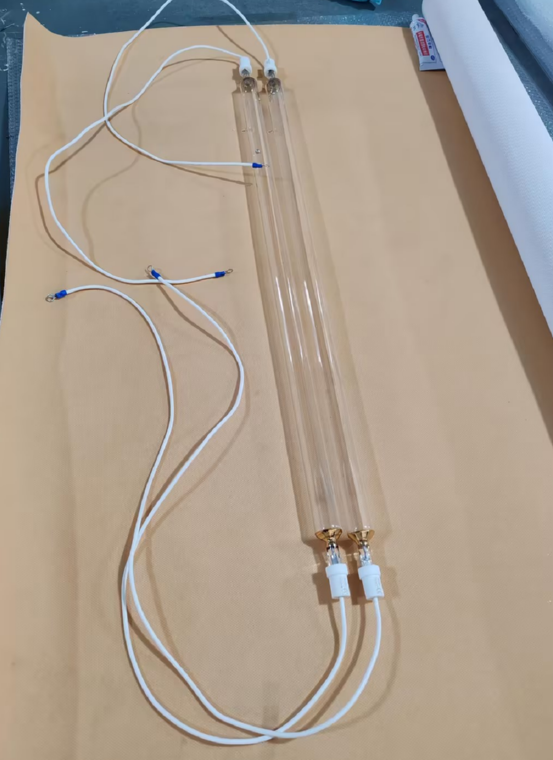
You can’t just use any glass. Standard glass kills UVC. It just blocks it. That’s why we use high-purity fused silica for the envelopes. It lets the UV slide right through. But we also have to worry about the walls. A thinner wall means more light gets out, which is great. But if your machinery vibrates or someone bumps the lamp during installation? A thin wall can blow out. We have to find that middle ground where it’s efficient but can actually survive a factory floor.
Heat: The Constant Struggle
If you want more UV power, you pump in more wattage. Simple, right? Wrong. Because that power also creates a massive amount of infrared heat. It’s a brutal trade-off. If you push these lamps to the limit to speed up your production line, your cooling system has to be ready for the fight. If you don’t have aggressive air or water cooling in place, the quartz envelope will stress out and eventually crack.Heat is the enemy here.
Making it Work in the Field
We build these to be drop-in replacements. You shouldn’t have to rebuild your whole array just to swap a bulb. We spend a lot of time on electrode stability because nobody wants a lamp that burns out prematurely. Just a quick tip when you’re wiring these up: double-check that your ballast matches the strike voltage. If they don’t match, the arc won’t stabilize, and you’ll kill the life of the lamp before it even gets going.