Getting Your UV Curing Right Without Breaking the Bank
Let’s be honest: UV curing is what keeps the modern printing world moving. But if you’re running a small or mid-sized shop, the biggest headache isn’t usually the ink—it’s the gear. High-end curing hardware is expensive. Like, “luxury car” expensive. That’s why we build custom UV lamps over in China. We focus on the raw power and the specs that actually matter, without adding a massive brand-name markup just for a fancy logo.
The Nitty-Gritty on Power
Here’s the thing about UV lamps: it all comes down to how much light is actually hitting your material. We don’t just send you a generic bulb. We look at how fast your conveyor moves and how thick your ink is. If you’re running a high-speed line, you need more wattage. Otherwise, the ink won’t fully set before it hits the end of the tunnel, and you’re left with a sticky mess. But there’s a catch. More power means more heat. You can’t just shove a high-output lamp into an old ballast and hope for the best. If your electrical setup can’t handle the draw, you’re going to fry your transformers.Check your power first.
No “One-Size-Fits-All” Here
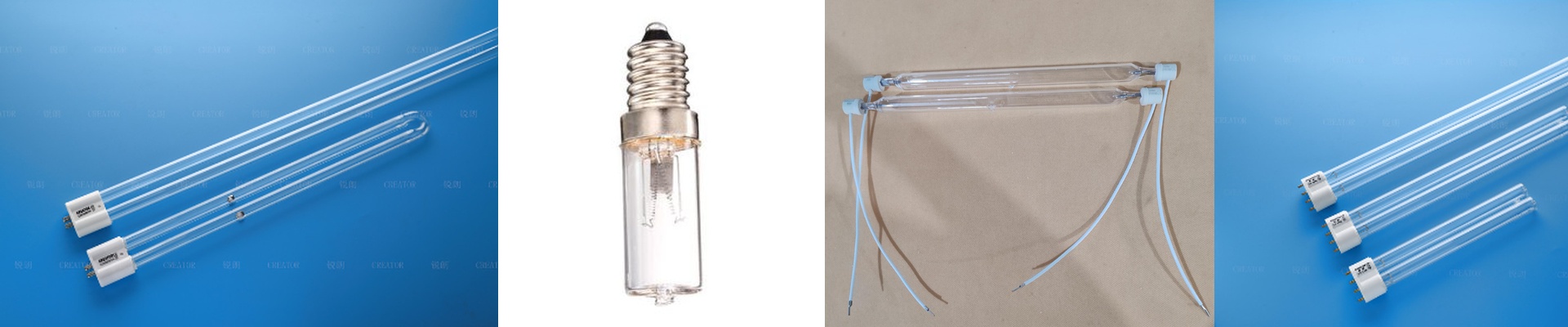
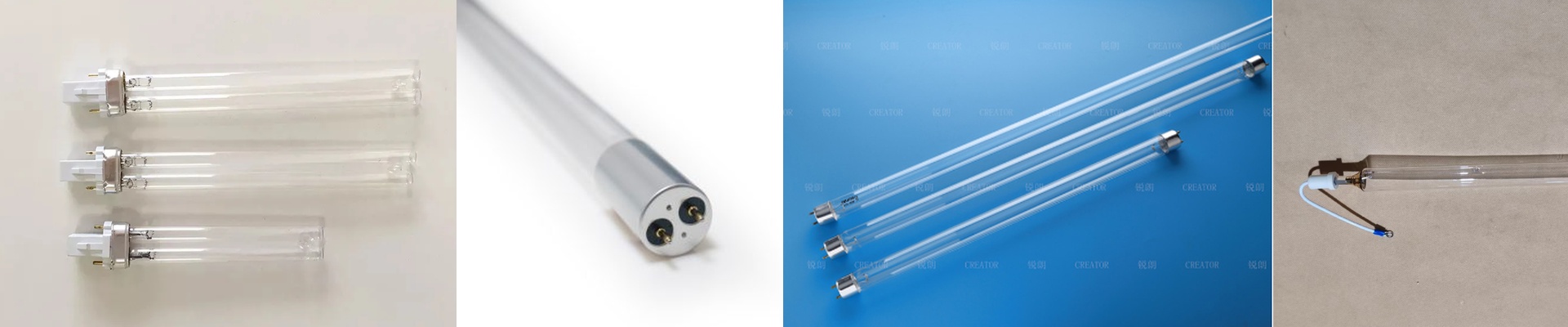
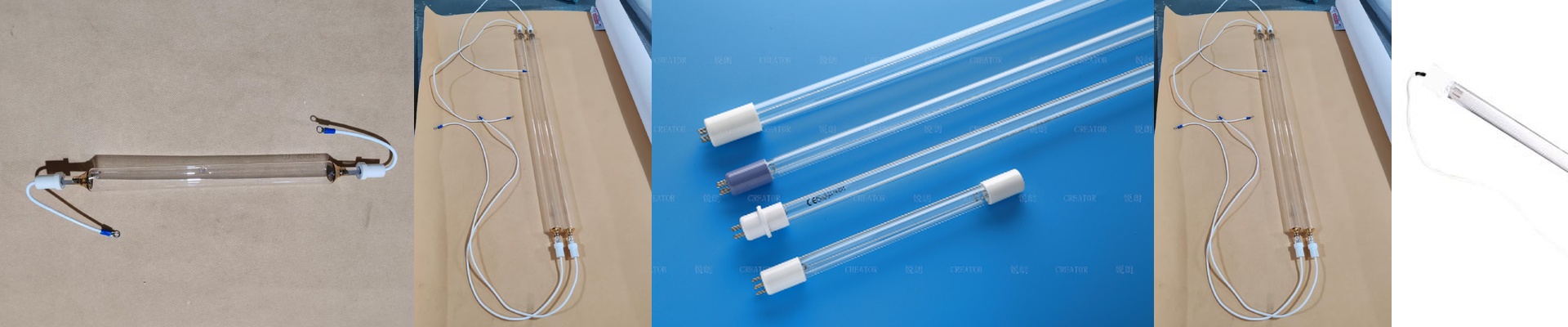
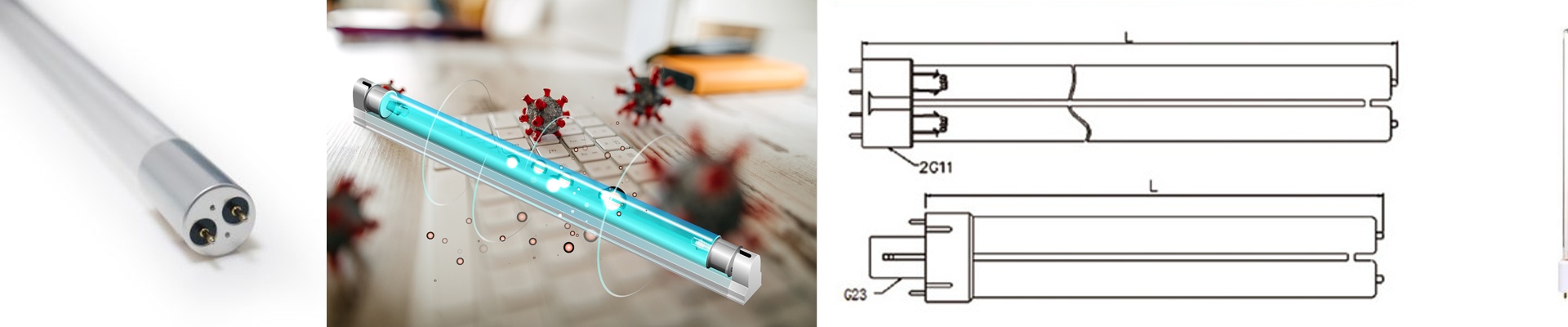
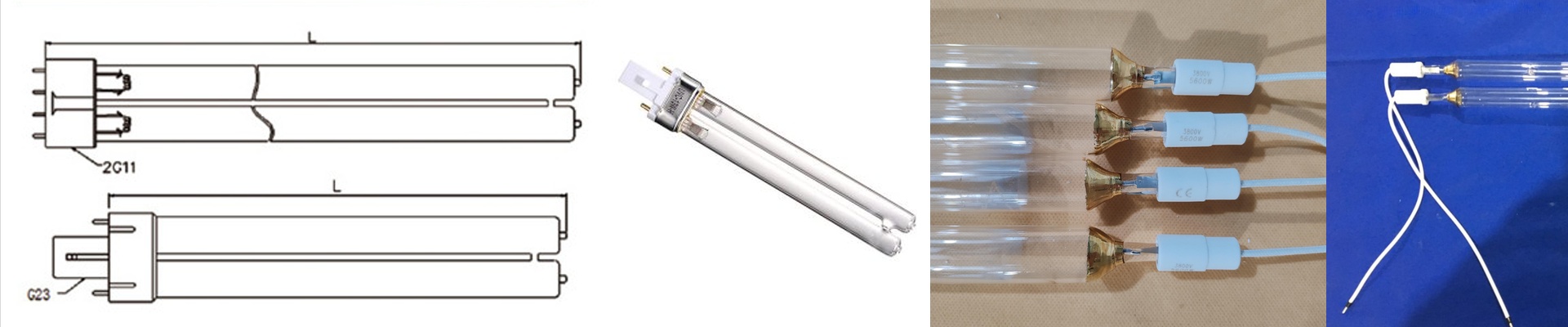
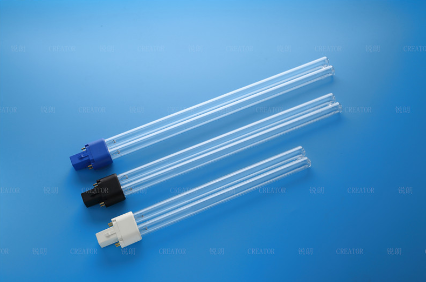
We hate generic parts. We customize the tube length and where the electrodes sit so they actually fit your existing reflectors. We also insist on high-purity quartz glass. Why? Because cheap glass blocks the UV-C and UV-B wavelengths. If that happens, your curing speed tanks, and you’re wasting time and electricity. And we’re obsessive about the connection points. If the pins aren’t aligned perfectly, you get arcing. It’s noisy, it’s dangerous, and it ruins the lamp. We make sure the fit is tight so you can just drop these into your current setup and get back to work.
The Heat Struggle
More UV output always brings more infrared heat. It’s a package deal. If you’re printing on plastics that melt easily, a high-power lamp can warp your product in seconds. It’s a balancing act. You need the intensity to dry the ink, but you need cooling fans to keep the plastic flat. We provide the raw power, but you’ve got to make sure your ventilation is up to the task. That’s just the reality of industrial curing: power is great, but if you can’t manage the heat, the whole line stops.