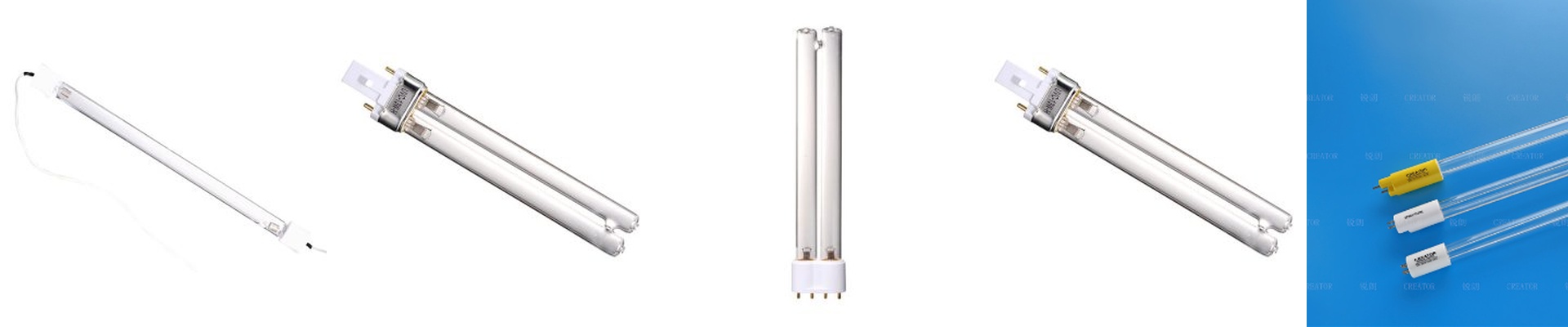

Stop the Flicker: Dealing with Electrical Noise in Your Press Room
Let’s be honest: when you’ve got several big printing presses humming away in one room, the electrical environment is a disaster. Between the high-voltage igniters and the power supplies, there’s a ton of “noise” floating around. If your mercury UV bulbs aren’t up for the task, you’ll start seeing it. The lamps flicker. They fail early. Or worse, your curing speeds start jumping all over the place. Why some bulbs just hold steady We build our lamps to keep that plasma arc locked in, even when the shop floor is chaotic. It mostly comes down to two things: super pure mercury vapor and really tight electrode geometry. We obsess over the spacing of those electrodes so the arc doesn’t “wander.” You know that annoying “hunting” effect where a bulb struggles to stay stable every time a nearby machine kicks on? We’ve pretty much designed that right out of the equation. The real cost of a flicker In a high-volume shop, a flickering lamp is more than just a headache. It’s a nightmare for your quality control. One dip in UV output and suddenly you’ve got uncured ink and smeared prints hitting the pallet. Our bulbs are built to stay locked into their operating frequency. It means you can run five presses side-by-side without the lamps fighting each other for stability. It just works. The catch (because there’s always one) Here’s the thing: you can’t just throw these into any old power supply and expect magic. To actually get these benefits, your ballasts need to be properly grounded and matched to the lamp’s impedance. If your grounding is a mess, no bulb on earth is going to stop that flicker. We didn’t build these for a clean lab. We built them for the grit of a real printing plant. They’re designed to take a beating from electrical surges and keep the cure consistent. They’re Industrial workhorses, plain and simple.