Dealing with Electrical Noise in Multi-Press UV Curing
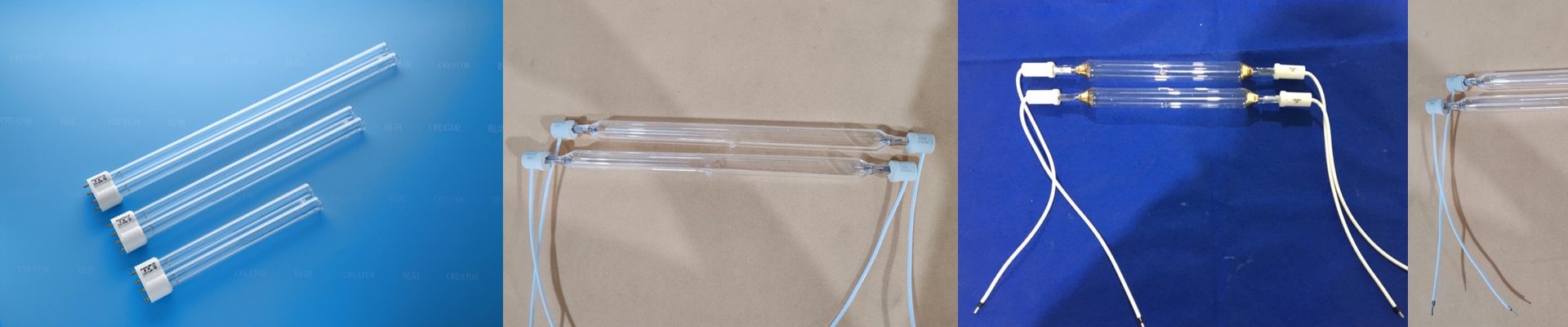
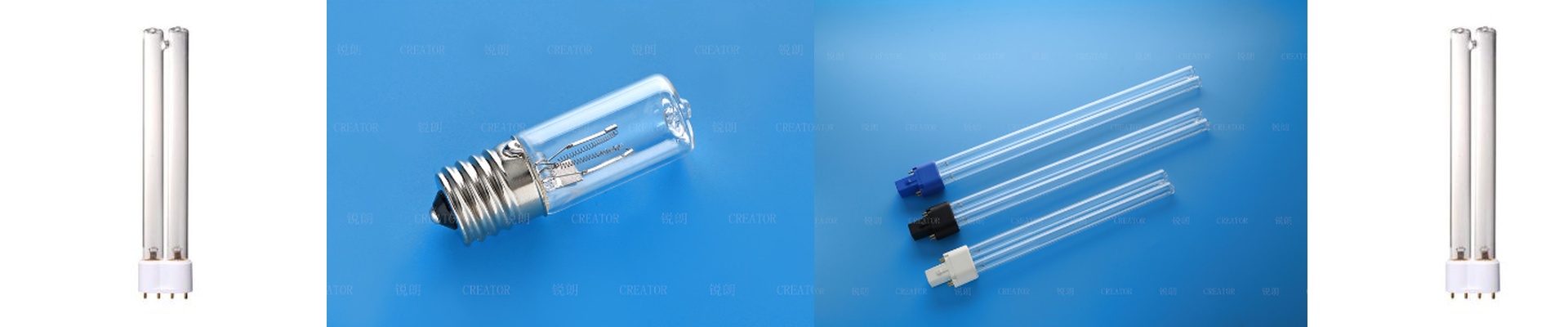
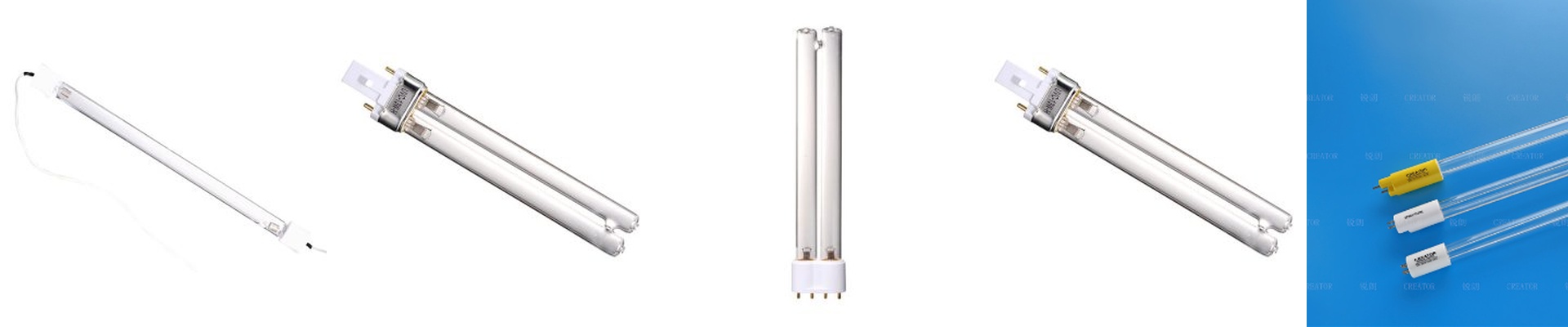
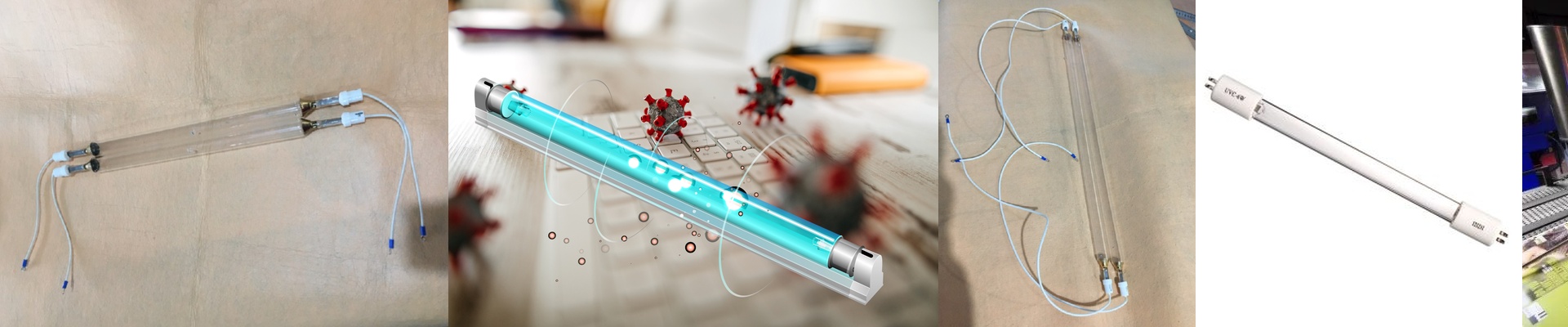
If you’re running a few large printing presses in one shop, you know exactly how “noisy” the electrical environment gets. When you’ve got several high-power mercury UV lamps firing at once, they can start fighting each other. You get electromagnetic interference (EMI), which usually shows up as unstable ballasts or those annoying “ghost faults” in your control systems—errors that pop up for no apparent reason and shut everything down. We built our mercury UV lamps specifically to handle that kind of chaos. Why the interference happens Most of the time, the noise comes from poor shielding or an unstable arc inside the lamp. We solve this by obsessing over the electrode geometry and the purity of the mercury fill. The goal is a steady plasma arc. When the arc is stable, you don’t have electrical noise bleeding back into your power grid. We also use high-grade quartz envelopes that don’t warp under heat. That’s important because if the arc starts to wander, you get flicker. And flicker means uneven curing and a lot of wasted substrate. Staying steady when the power dips Our lamps are made for the long haul. In a busy shop with five or ten presses running side-by-side, voltage drops and surges are just part of the day. We calibrate our lamps to keep the UV output steady, even when the input power fluctuates. It stops that “hunting” effect you see with cheaper lamps, where the ballast is constantly twitching, trying to find the right current. One quick tip:**check your grounding.**Even the best lamp in the world can’t fix a floating ground. If your plant’s grounding is sloppy, you’re still going to see interference. What this actually means for your floor These are drop-in replacements for your high-volume offset and flexo presses. By cutting down the EMI, you stop the random sensor trips and PLC errors that cause unplanned downtime. You get a consistent cure across the entire web. That’s the best part—you can actually push your line speed without worrying about “skinning” or ink that hasn’t fully cured. It just works.