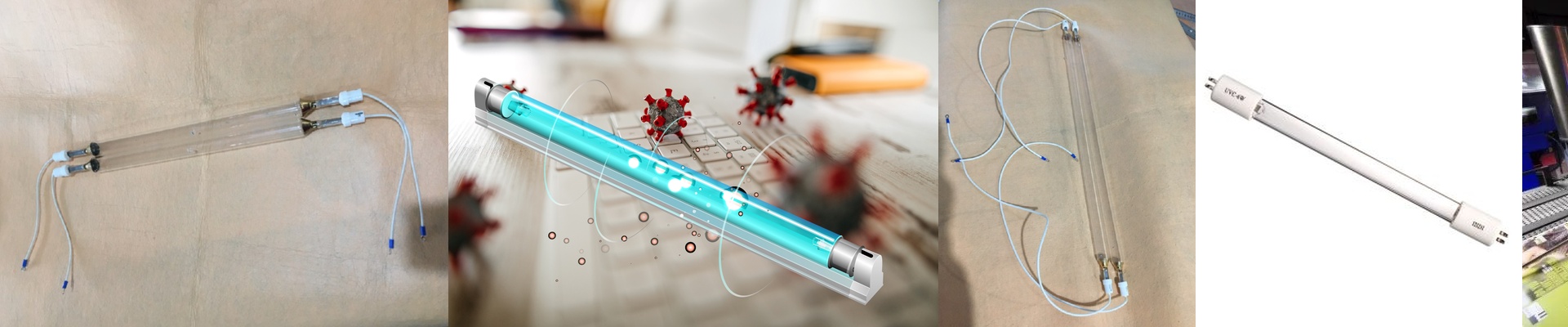
Why we use 120W/cm Mercury UV Lamps in Textiles
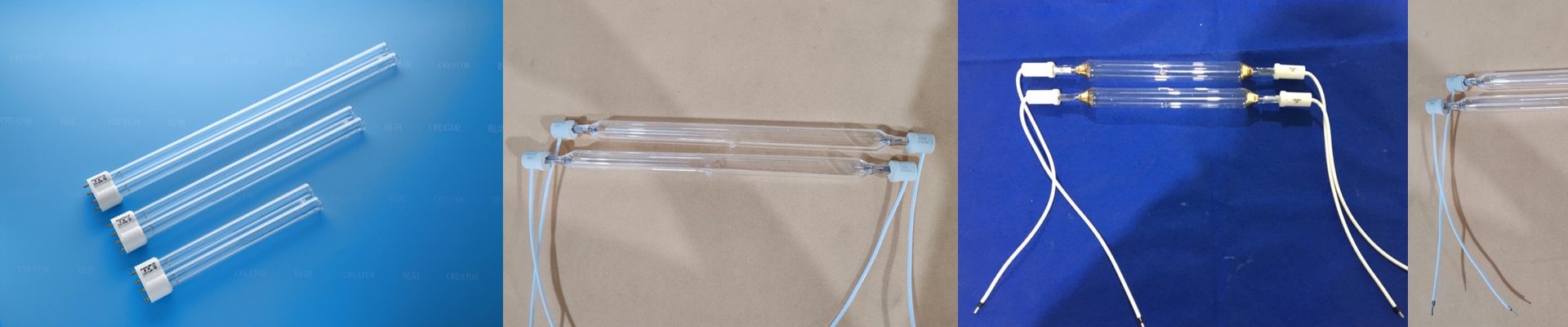
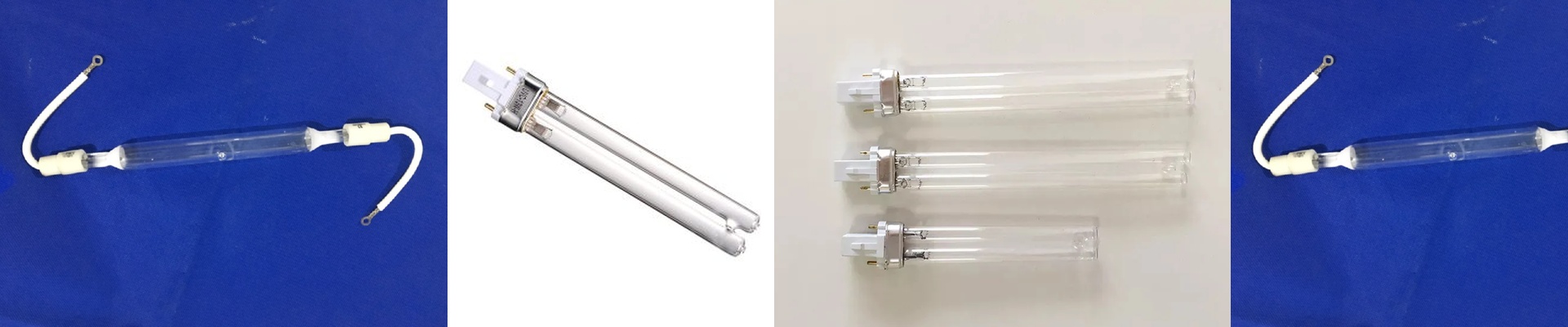
Think of UV curing as the invisible glue that holds everything together. Whether it’s a bold print, a special coating, or a strong adhesive, this is what actually locks it into the fabric. In this world, the 120W/cm mercury lamp is the old reliable. It’s the sweet spot where you get enough punch to get the job done without burning out your equipment too quickly. The balance of power When we talk about 120W/cm, we’re basically talking about cramming a lot of energy into a very small space. You need that intensity to trigger the chemicals in the ink. If you go lower? Your production line crawls. You’re waiting forever for things to dry. But if you push it too high, you’ve got a problem. You’ll start scorching the fabric or shrinking your synthetics. No one wants a garment that comes out of the machine a size smaller than it went in. The goal is a broad spectrum. That way, the UV hits the surface and sinks deep into the weave at the same time. Everything cures evenly. The gritty reality of the hardware Here is the thing: these lamps get incredibly hot. The quartz glass has to be tough enough to handle those temperature swings without just snapping. We make them easy to swap out because when a lamp goes down on a busy factory floor, every minute feels like an hour. One quick tip:**keep your reflectors clean.**It sounds simple, but a little bit of dust can kill your UV output by 20%. When that happens, your lamp has to work harder and longer, which just kills the lifespan of the bulb. Making it work on the floor In a real mill, these lamps do the heavy lifting—everything from setting glittery screen prints to adding water-repellent coatings. You just time your conveyor belt speed to match that 120W/cm output. But you can’t just plug these into any old outlet. You need a steady power supply. If your voltage spikes, you’ll fry the electrodes and be buying a new lamp way sooner than you should. And please, don’t skimp on the fans. These lamps create ozone. If your exhaust system isn’t pulling that gas away fast enough, the ozone will actually start eating away at the fabrics you just spent all that time curing. Not exactly the result we’re looking for.