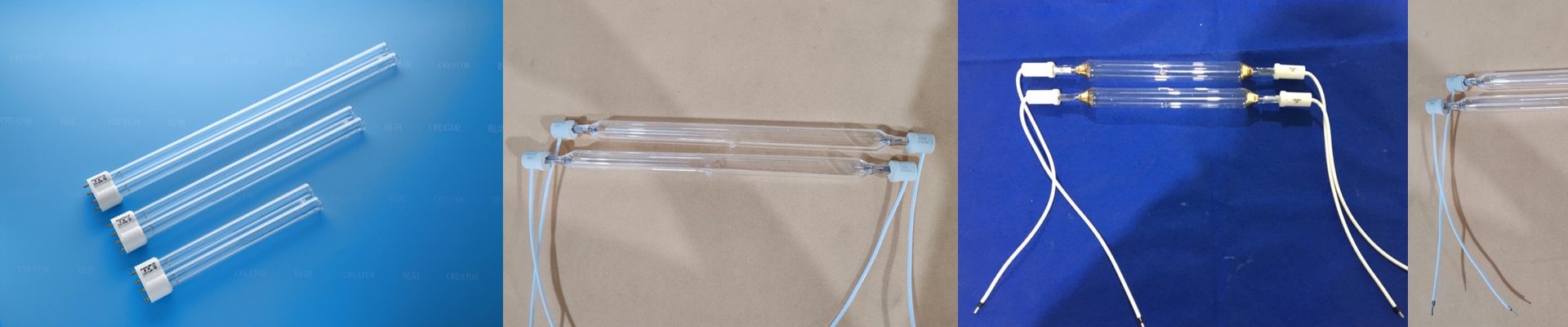
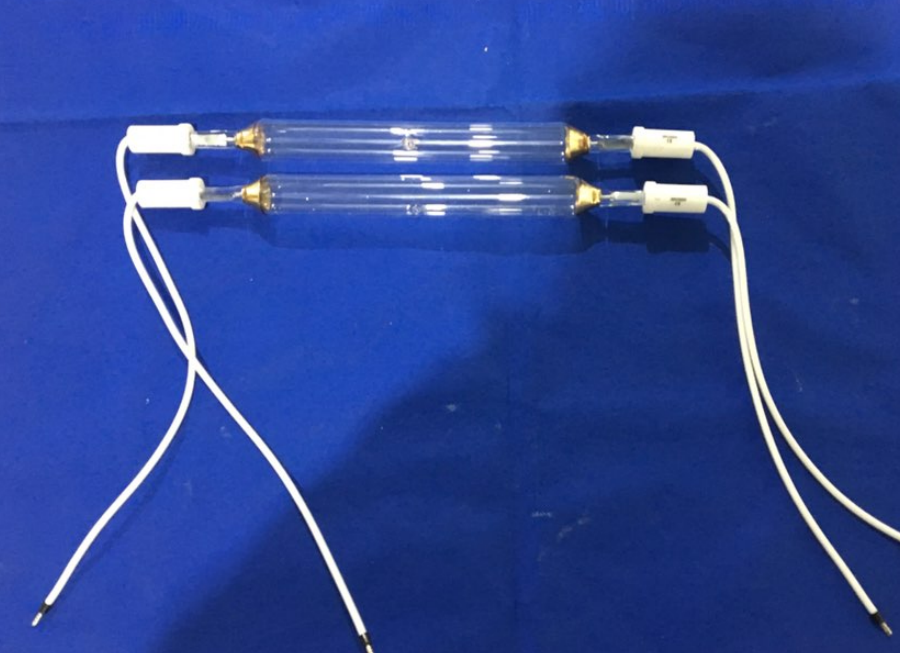
Why Quartz UV Lamps Actually Matter in Your Textile Mill
Most people think UV curing is just a final polish at the end of the line. But if you’ve spent any time on a factory floor, you know it’s actually woven into the whole process. From getting the ink to stay put to making sure the fabric is sterile, high-purity quartz tubes are doing the heavy lifting.
Let’s talk about the glass
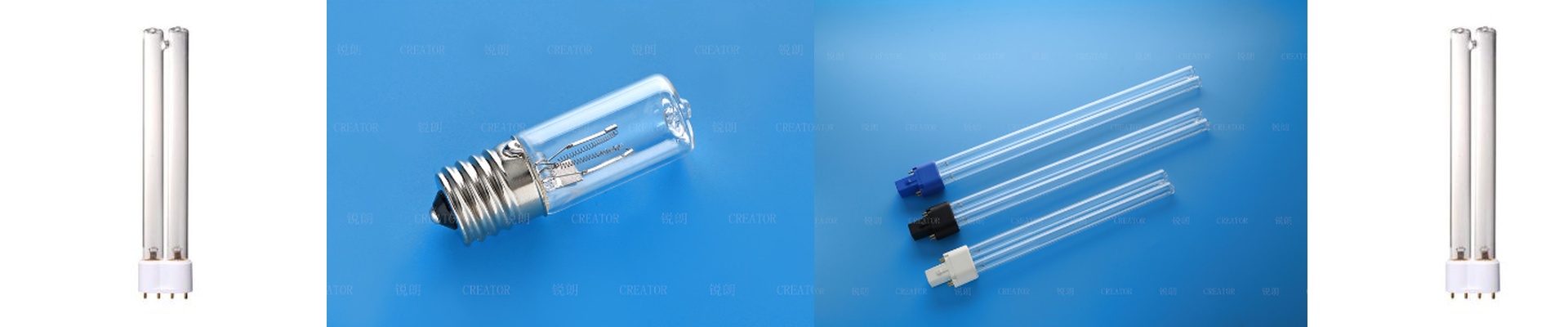
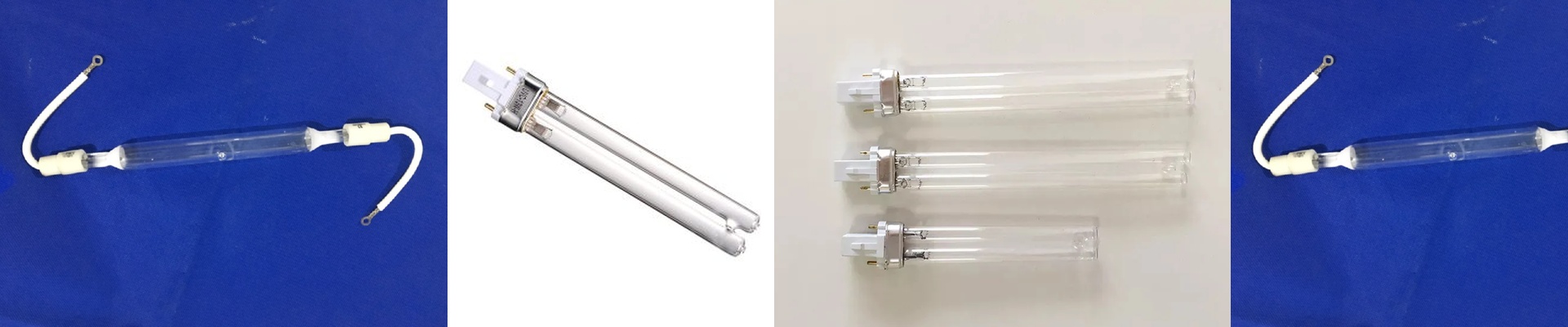
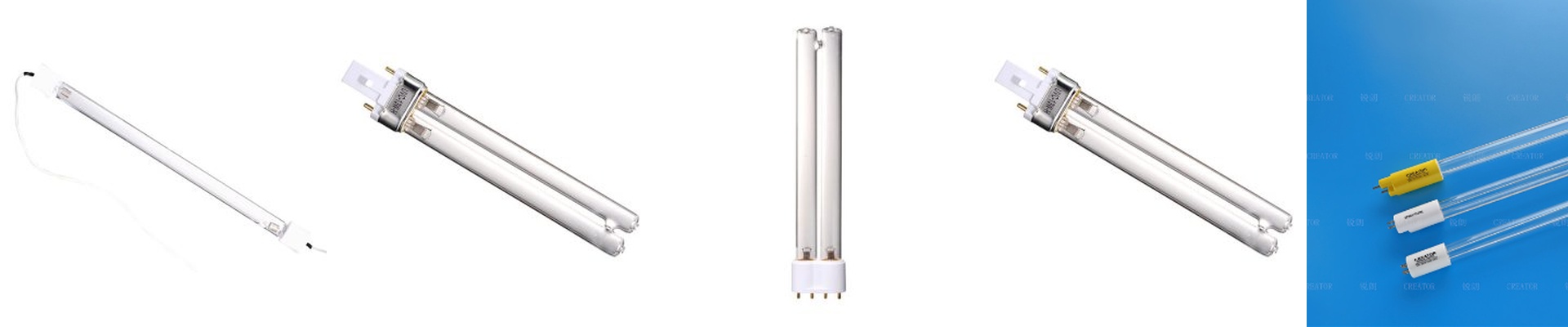
Here’s the thing: you can’t just use regular glass. If you do, the UV radiation just bounces right off or gets trapped inside. It’s useless. That’s why we use fused quartz. It lets those shortwave UV rays pass straight through and hit the fabric exactly where they need to. When you’re picking a lamp for a high-speed line, the grade of that quartz is everything. It’s the difference between a tube that handles the heat and one that stresses out and snaps.
Power, heat, and the balancing act
If you’re running a wide-web machine, you need the power to be steady. No dips, no gaps. We spend a lot of time balancing the voltage and wattage because “hot spots” are a nightmare. One wrong spike and you’ve scorched your synthetic fibers. Not a good look. And please, watch your cooling. These high-wattage tubes put out a ton of infrared heat along with the UV. If your exhaust fans aren’t beefy enough to handle the BTUs, the quartz is going to overheat. Then it burns out. Then your line stops.
Putting it to work
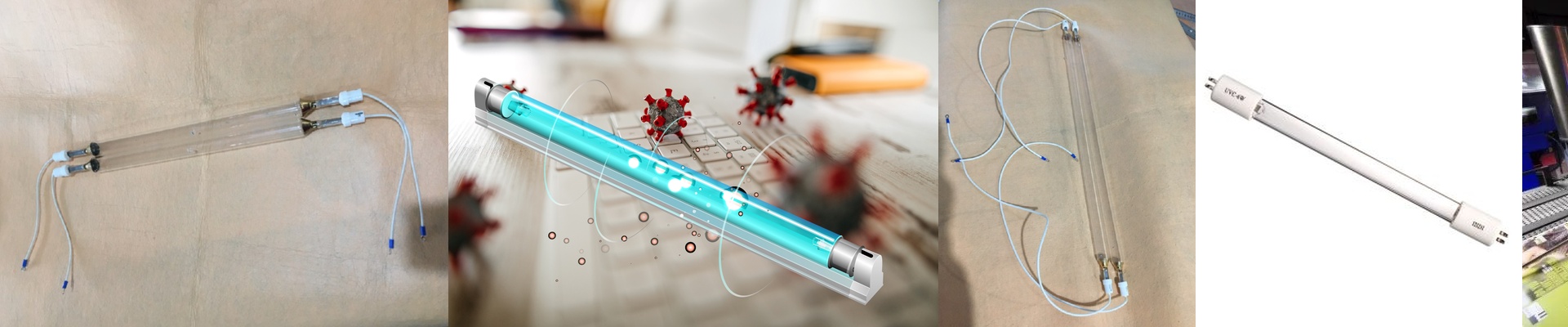
When it comes to printing, these lamps are what make the ink “snap” into place. They trigger the polymerization instantly, so the ink doesn’t bleed or smudge. Later on, we use them to kill off odors and microbes so the garment is actually clean when it hits the box. We make these as drop-in replacements, so you don’t have to rebuild your whole setup. Just wire them to your ballast and dial in your conveyor speed. But be careful with the timing. If the belt moves too fast, the ink stays tacky. Too slow? You’ll shrink the fabric. It’s all about tuning that wattage to your specific belt speed until it feels just right.