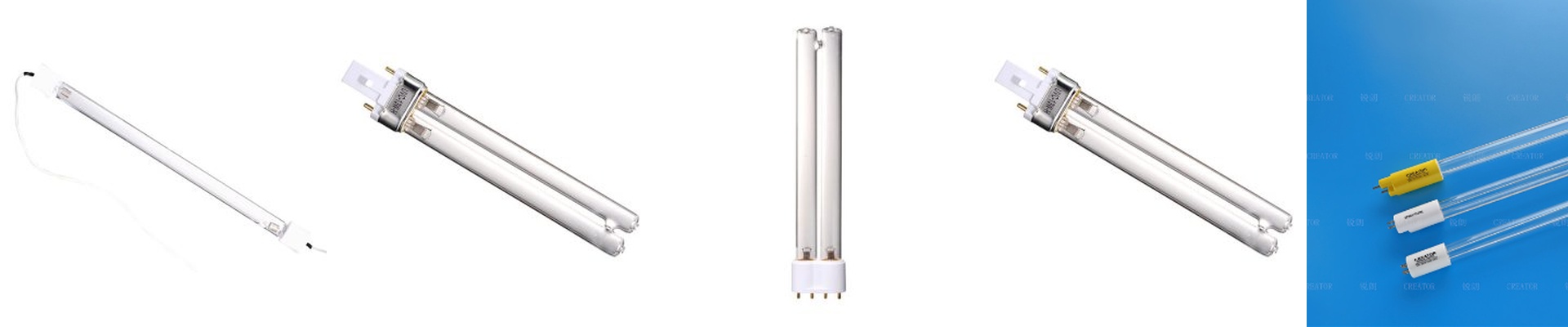
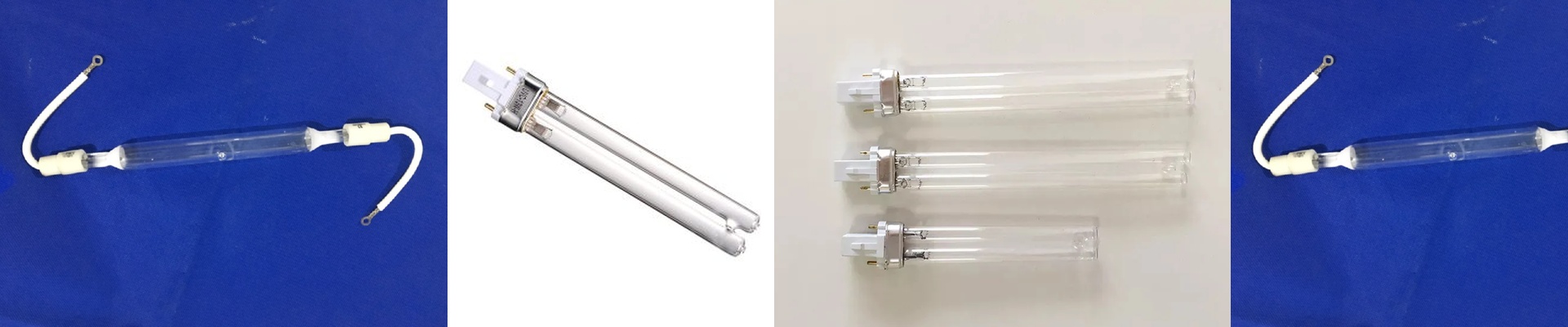
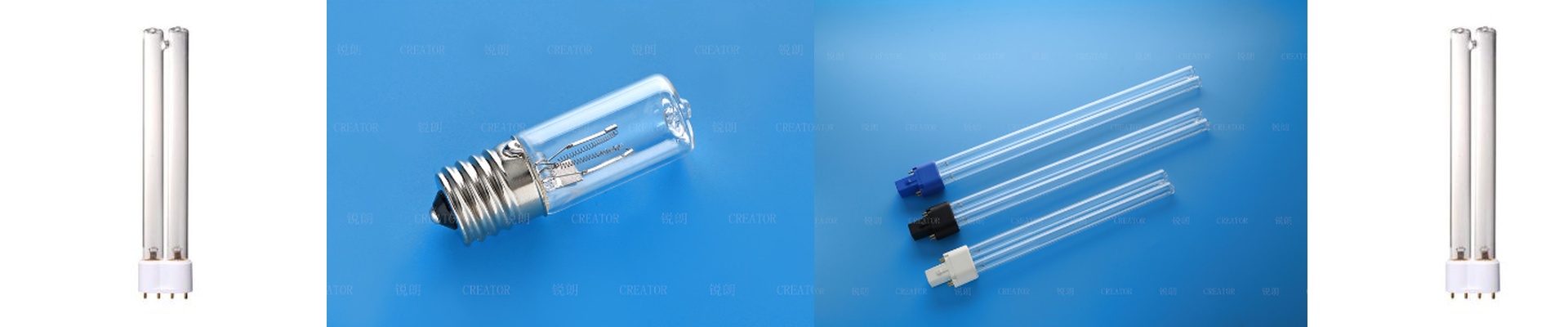
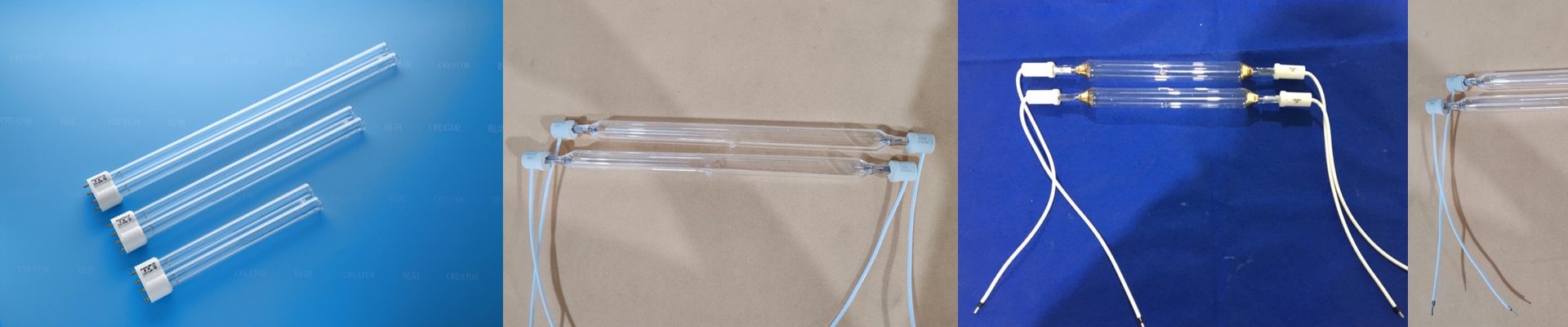
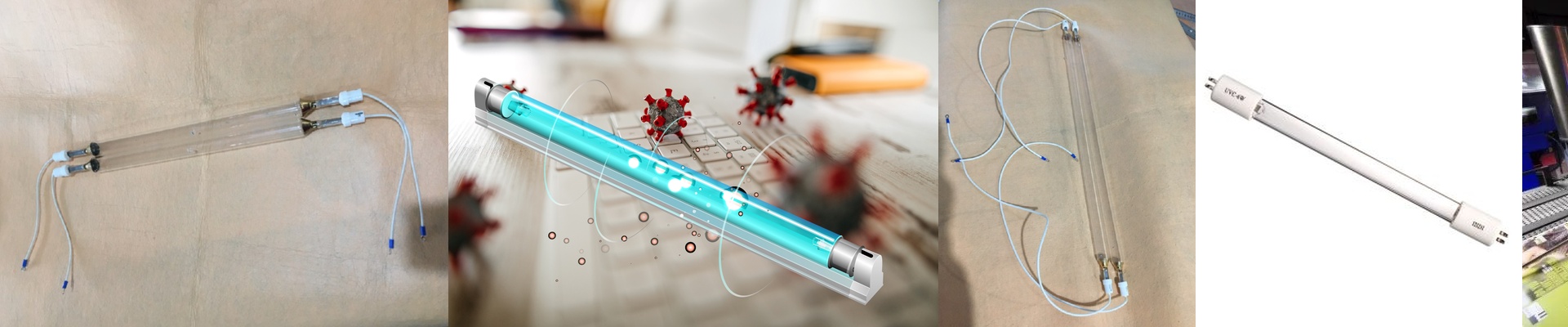
The Truth About High-Output UV Lamps: Why the Details Actually Matter
For 15 years, we were the “secret” behind some of the biggest global brands. We stayed in the background, building the UV lamps that kept their industrial curing lines humming. When we decided to stop being an OEM shop and start our own brand, it wasn’t about slapping a new logo on a box. It was about the tiny, annoying details. The kind of tolerances that determine if a lamp dies in 1,000 hours or keeps going for 5,000.
The battle with heat and light
Here’s the thing about industrial UV lamps: it’s all a balancing act between gas pressure and electrode chemistry. We aim for a very specific wavelength—usually 254nm or 365nm—depending on what you’re curing. But if the quartz glass has even a tiny bit of impurity? You get “browning.” It starts small, but then your UV intensity tanks. That’s why we use high-purity fused quartz. It keeps the light clean and the output steady. Then there’s the power. High wattage is great because it lets you run your lines faster. But more power equals more heat. If your cooling system can’t handle that thermal load, the ends of the lamp will just burn out. Simple as that.
It’s all in the connection
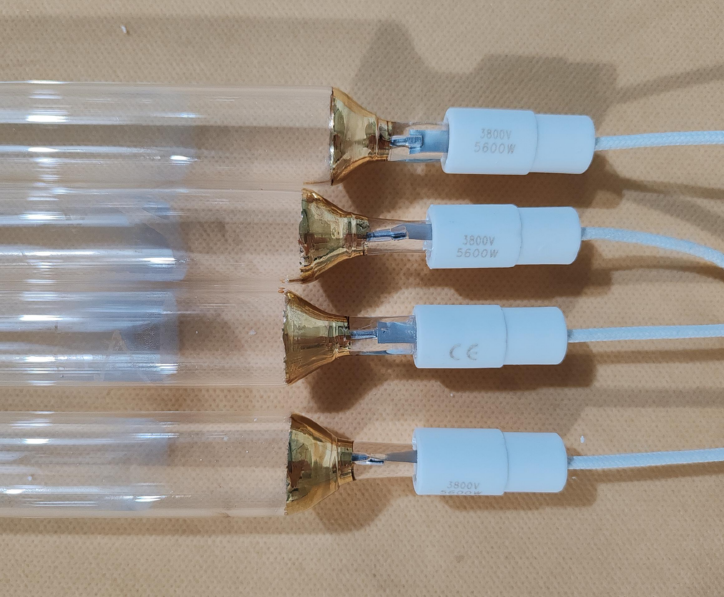
We spend a lot of time obsessing over the contact points. If an electrode isn’t seated perfectly, you get arcing. It’s a nightmare. To stop that, we use precision-machined end caps. Whether you’re using a standard screw-in or a specialized pin, it has to be a tight fit. A loose connection creates a hot spot. And a hot spot kills your lamp. We also play around with coatings to shift the light. Some of you are working with materials that warp if they get too hot, so we filter out the IR (infrared) light. It makes the manufacturing process a bit more tedious for us, but it keeps your product from melting.
Making it work in the real world
Our lamps are built to be drop-in replacements. You can wire them right into your existing ballasts without having to tear apart your setup or change your footprint. It just works. One honest heads-up, though: there’s always a trade-off. If you push for maximum UV output to get crazy curing speeds, your bulbs won’t last as long. It’s a choice between speed and how often you want to climb a ladder to change a bulb. We’ll give you the data sheets so you can figure out where that sweet spot is for your specific line.