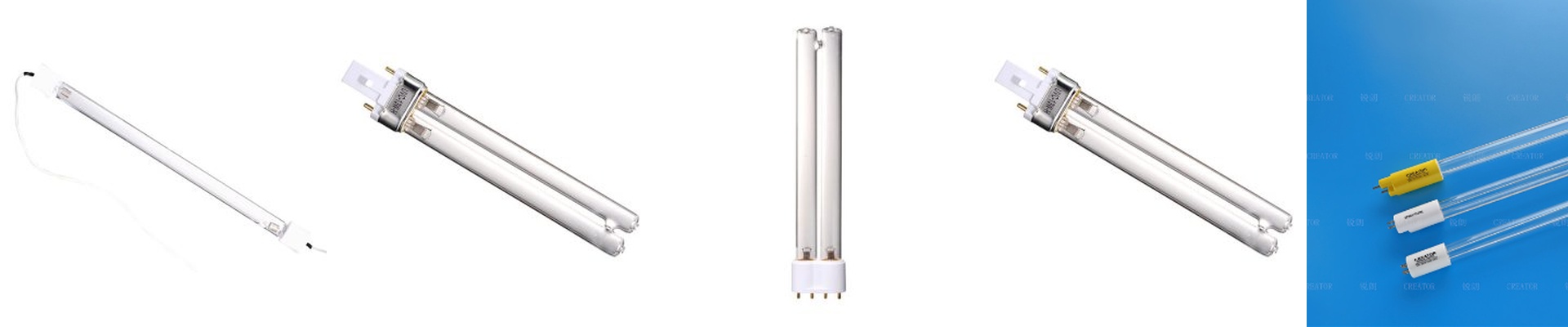
Getting Your UV Wavelength Exactly Right
We don’t just sell lamps. We’re in the business of managing photons. In the world of industrial automation, the gap between a perfect bond and a sticky, tacky mess is tiny—we’re talking a few nanometers. That’s why we obsess over the narrow bands of the UV spectrum. We want that photopolymerization to happen exactly where the light hits the part. No guesswork.
Why the Spectrum Matters
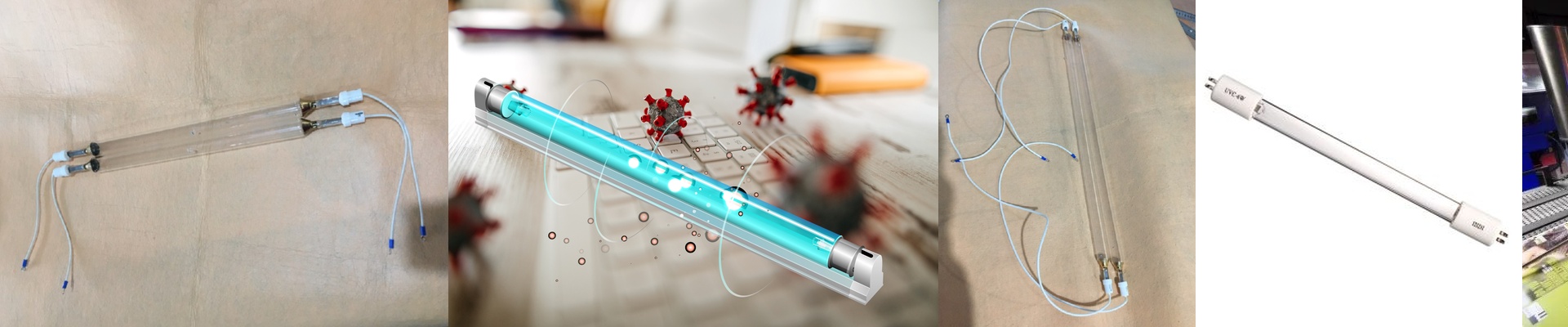
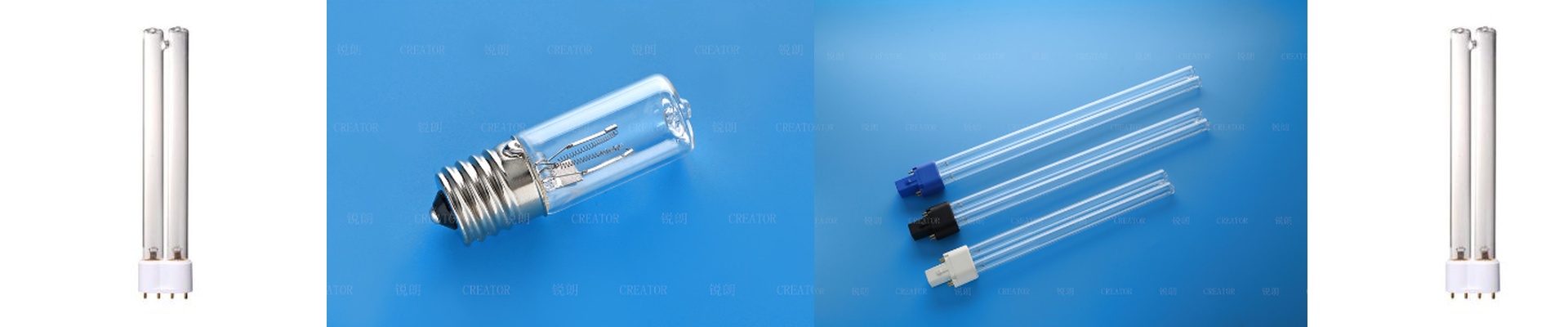
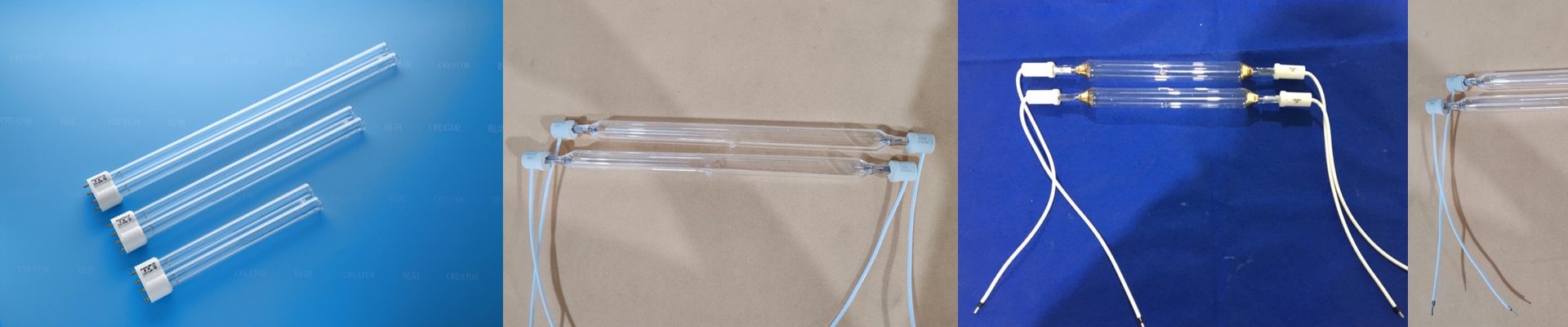
Here’s the thing: most off-the-shelf UV lamps “bleed.” They put out light they aren’t supposed to. We do things differently. We tune our lamps to hit a specific peak—like 365nm or 395nm—so it actually matches the photoinitiator in your resin. If that wavelength is even slightly off, the chemical reaction just won’t trigger. You end up with under-curing, and that’s a nightmare for your production line. To stop the lamp from eating its own energy, we use high-purity quartz envelopes. It keeps the UV energy moving forward and hitting your part with full force.
Dealing with the Heat
High-intensity UV creates a lot of heat. A lot. We build our housings to soak up that thermal load without messing with the light output. But there’s a trade-off. When you crank up the wattage to speed up your line, the lamp runs hotter. If it gets too hot, you hit “solarization.” That’s when the quartz actually starts to darken, and your UV output drops. It’s frustrating. We fight this by tweaking the gas fill and the way the electrodes are shaped. Just a heads-up: make sure your conveyor cooling is up to the task. If it isn’t, you might find your substrates warping under the heat.
Dropping It Into Your Line
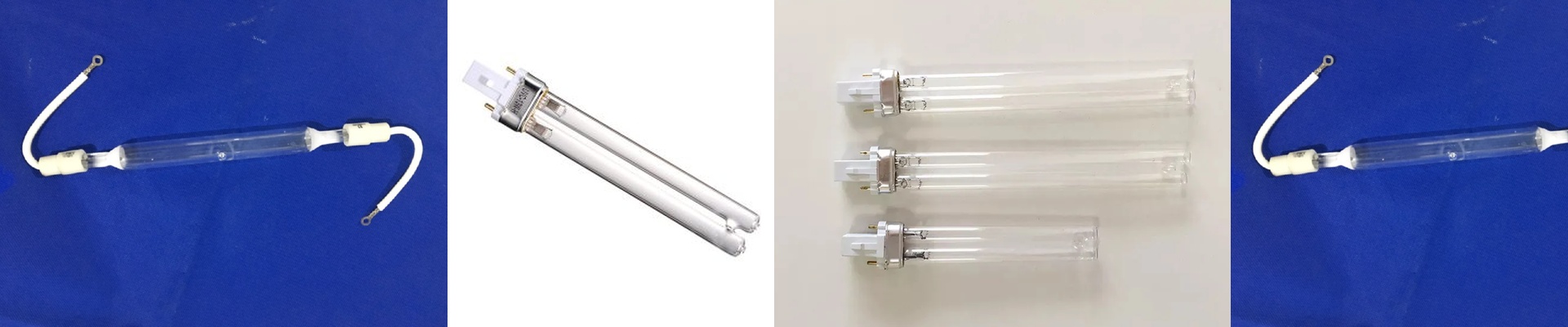
We design these to be simple drop-in replacements. You shouldn’t have to rebuild your entire floor just to update a lamp. It needs to fit the footprint you already have and plug into your power rails without any flickering. We spend a lot of time on the power supply stability. Why? Because a steady current means a steady cure. If your voltage jumps around, your cure depth changes. That’s how you get inconsistencies that make your QC team grumpy. We keep those tolerances tight so every single part in the batch comes out exactly the same.