Getting Your Curing Right: The Truth About Industrial Mercury UV Bulbs
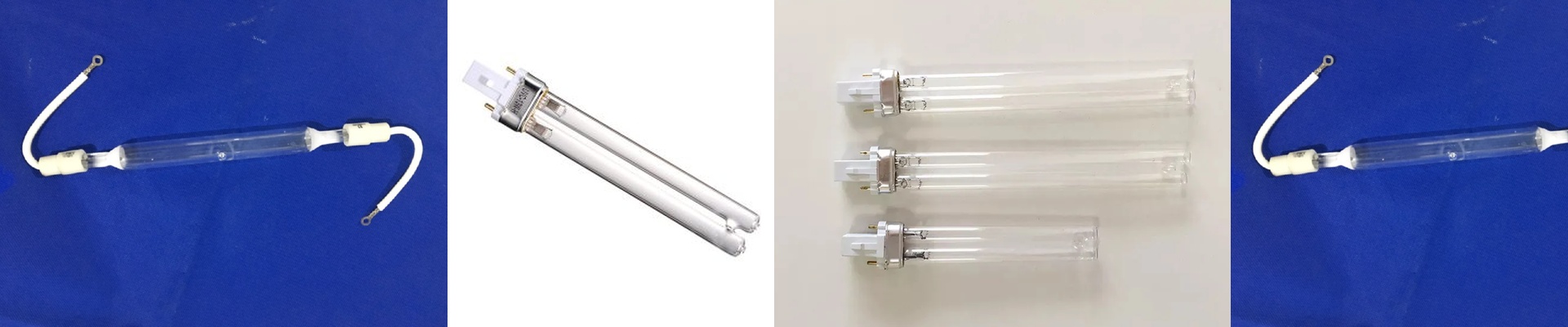
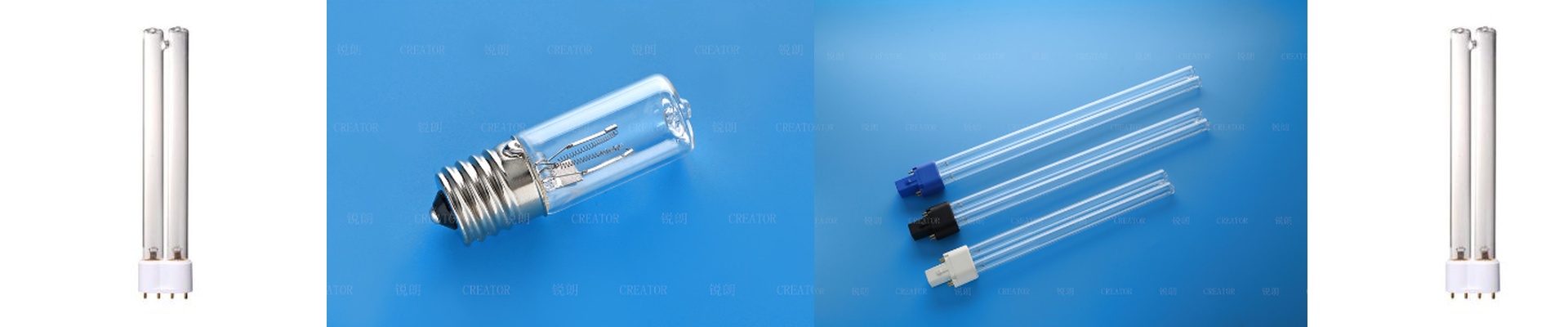
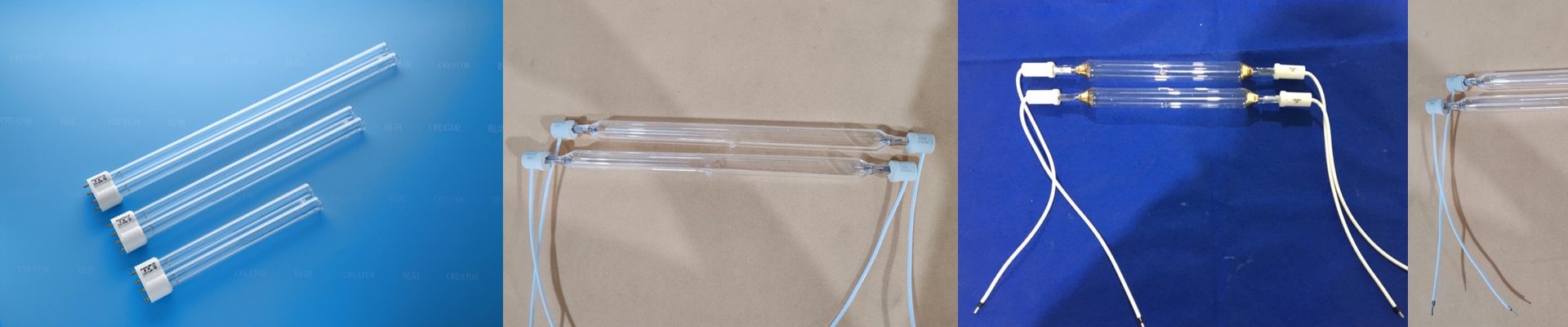
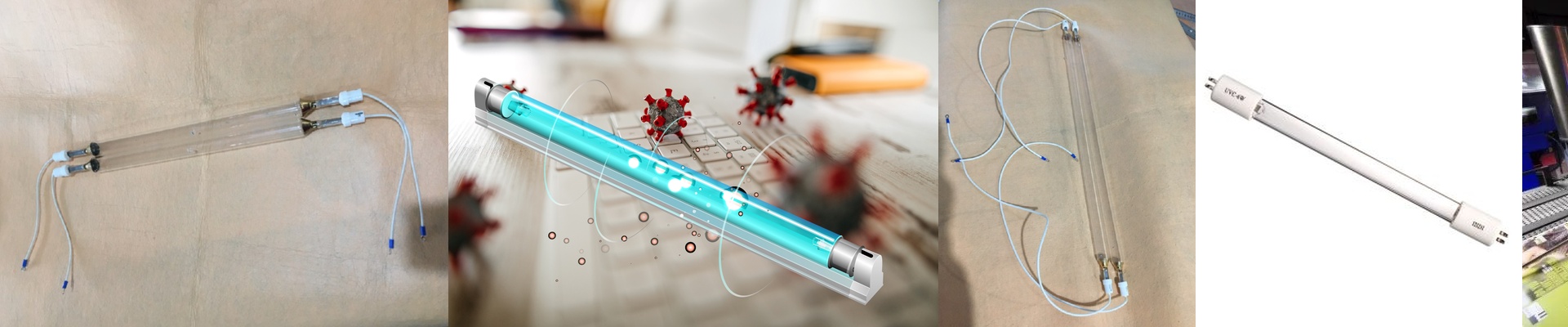
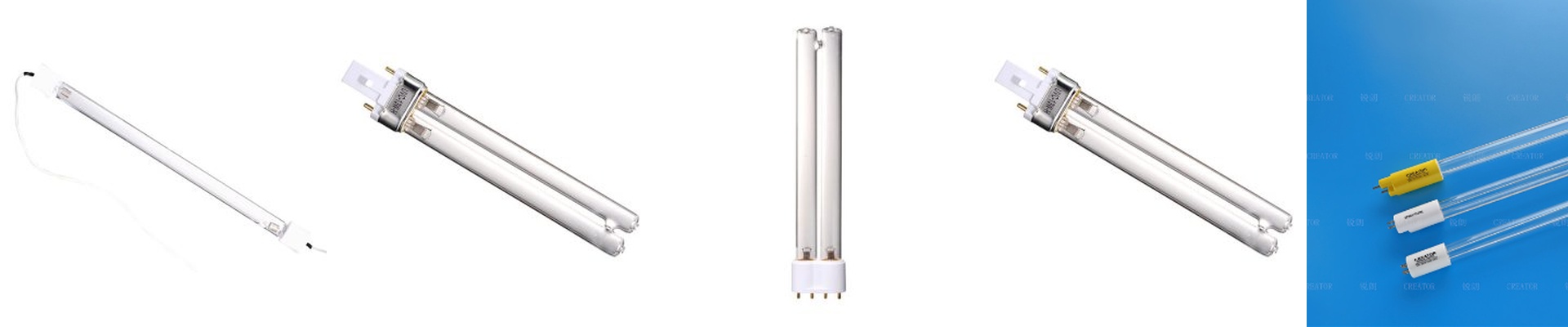
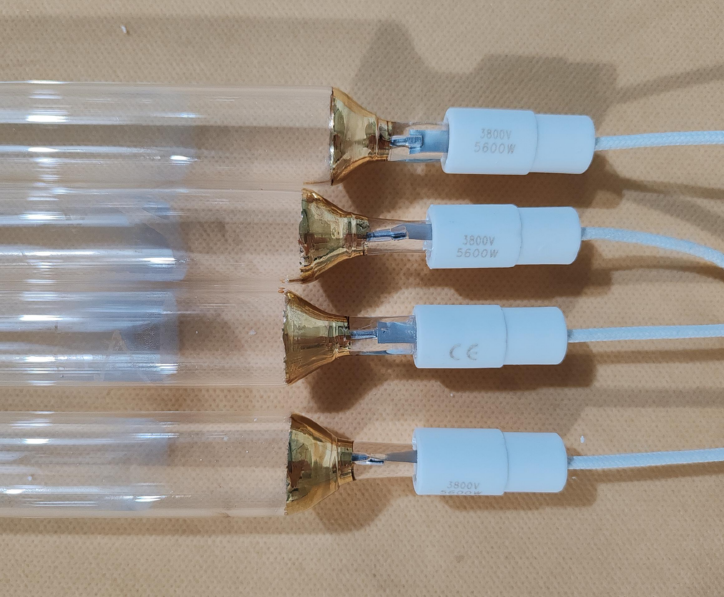
Here is how these things actually work: we excite mercury vapor to create a concentrated blast of UV radiation. We tune them to hit those specific 254nm and 365nm peaks because that’s what actually wakes up the photoinitiators in your resins and inks. Without that precision, you’re just wasting electricity. Heat, Power, and the Danger Zone The output of a bulb is a balancing act between wattage and the diameter of the tube. But there’s a catch. High-wattage lamps get incredibly hot. If your ballast can’t handle the strike voltage or keep the current steady, your electrodes are going to fry. Even worse, if you crank up the power without enough airflow, the quartz envelope will actually start to soften. You need a cooling system that aggressively pulls heat away from the tube. If you don’t, you’re looking at thermal shock—and a broken lamp. Why Quartz Matters You can’t just use any glass. Regular glass blocks UV rays. That’s why we use high-purity fused quartz; it lets the UV light fly right through. Some of our bulbs come with special coatings to filter out infrared (IR) radiation. This is a huge help if you’re working with plastics. It keeps the heat off the part so your pieces don’t warp or melt while they’re curing. Will It Actually Fit? There is nothing more frustrating than a bulb that doesn’t sit right. We design ours to be simple drop-in replacements for the big-name systems. We obsess over the tiny details—the end-caps and the pins—to make sure the fit is tight. Why? Because a loose connection causes arcing. And arcing kills your lamp. Fast. Our Promise We care more about the actual cure rate—how well that coating cross-links in the real world—than some theoretical number in a lab report. If our bulbs don’t hit the same speed and intensity as the top-tier brands at the same price, we’ll give you your money back. Simple as that.