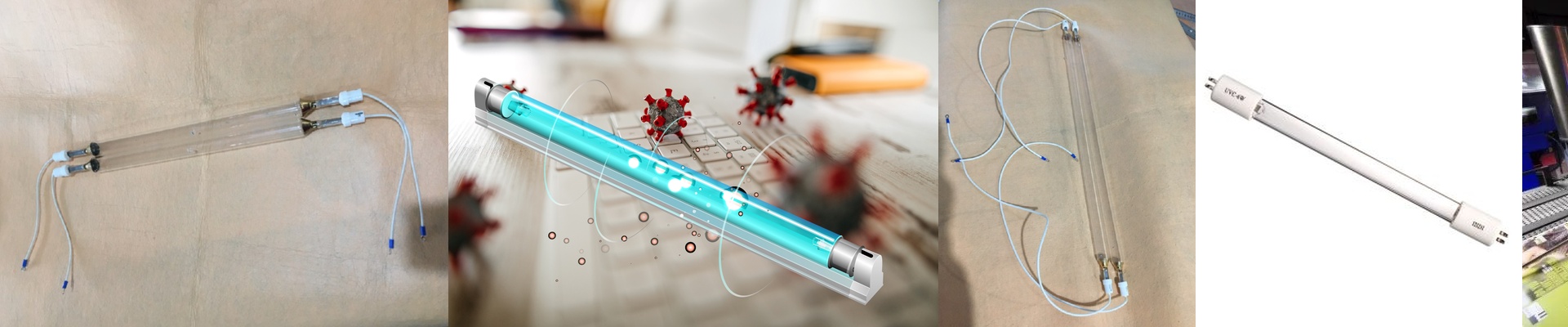
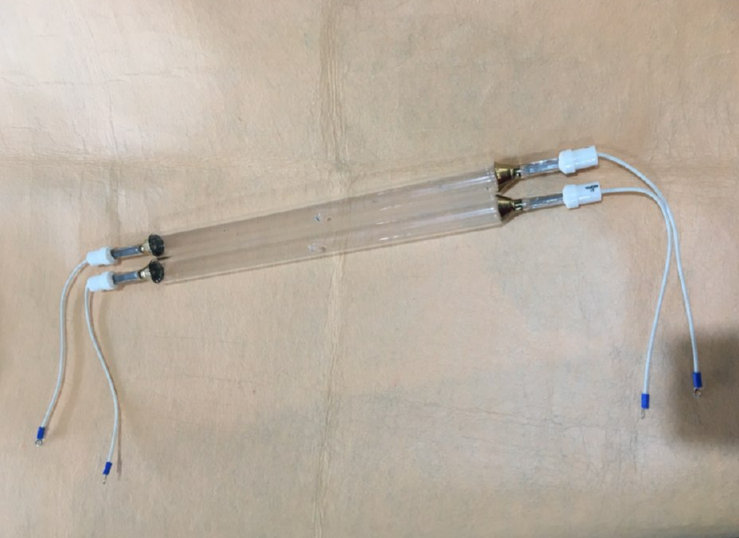
Let’s Be Real About CE Certification for Quartz UV Tubes
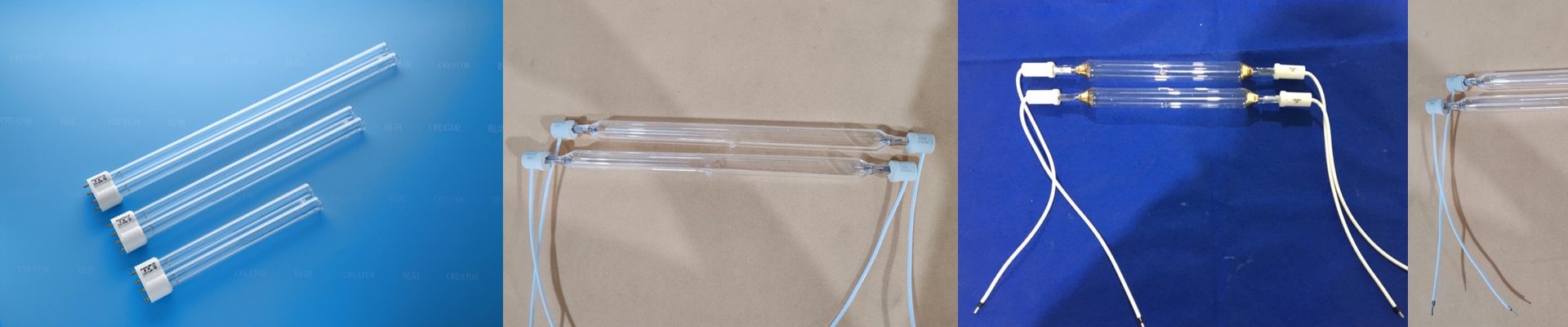
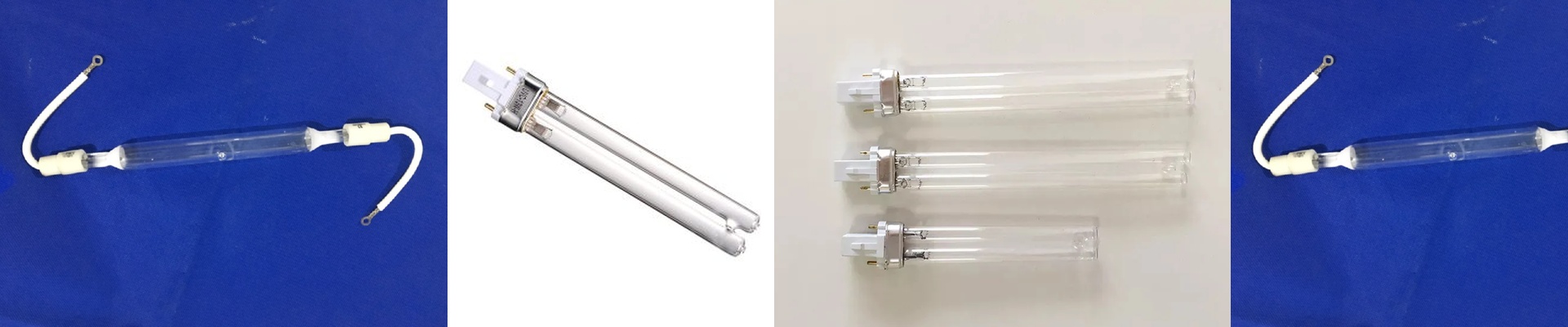
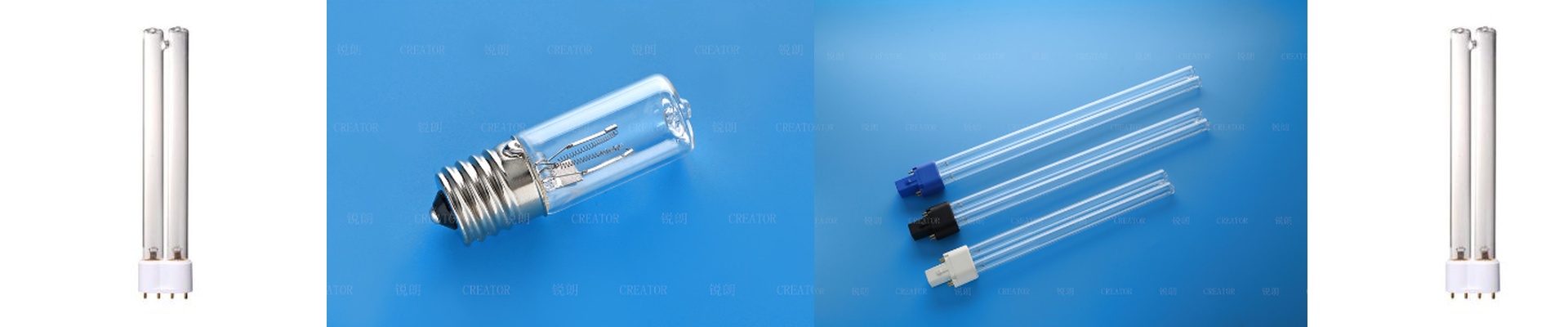
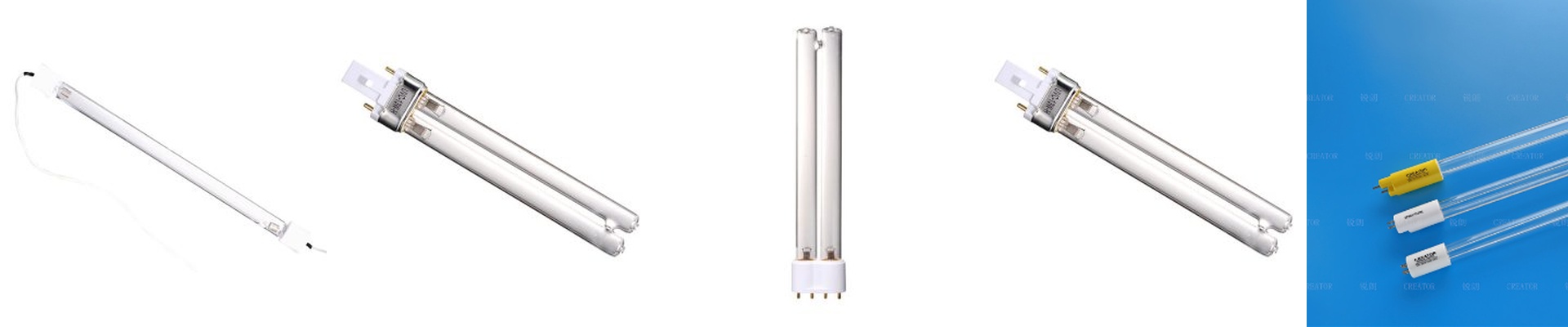
When people bring up CE certification for wholesale UV lamps, it usually sounds like something meant for a marketing brochure. But if you’re the one actually installing these things, you know it’s not about a fancy logo. It’s about making sure your ballast doesn’t fry or your workspace doesn’t become a hazard. It’s basically the “entry ticket” if you want to sell into Europe or any high-end market. It’s more than just a label. Here’s the thing: UV systems are prone to electrical arcs and high-frequency noise. If a lamp isn’t built to LVD and EMC standards, that noise can bleed back into your control system. Then you’re dealing with PLC glitches or the whole line shutting down for no apparent reason. We focus on the dielectric strength of the quartz and the seals on the end-caps specifically to stop that from happening. It just works. The grit and the glass. Quartz UV tubes live a hard life. They deal with insane thermal stress. We use high-purity fused quartz to get the best UV output, but let’s be honest—quartz is brittle. That’s where the certification actually helps. It forces a strict standard on how the glass is cut and how the electrodes are soldered. If that seal is off by a fraction, the gas leaks and the lamp is dead. Without a certification, you’re basically gambling on whether the vacuum seal will hold. The cost conversation. Yeah, certified lamps cost more. You’re paying for the testing and the fact that someone actually checked the quality before it left the factory. But think about the alternative. Using cheap, uncertified tubes in a high-output industrial line is a gamble. You might save a few bucks on the unit price, but you’ll pay for it in downtime. If you’re running a massive curing line, one catastrophic tube failure costs way more than whatever you saved by buying the bargain bin stock. It’s just not worth the headache.