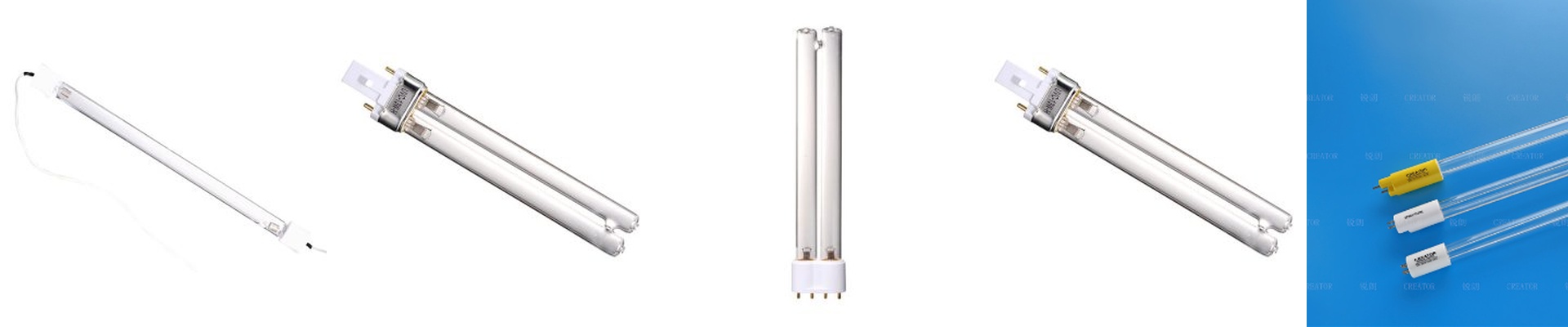
Getting the Most Out of Your Mercury UV Lamps
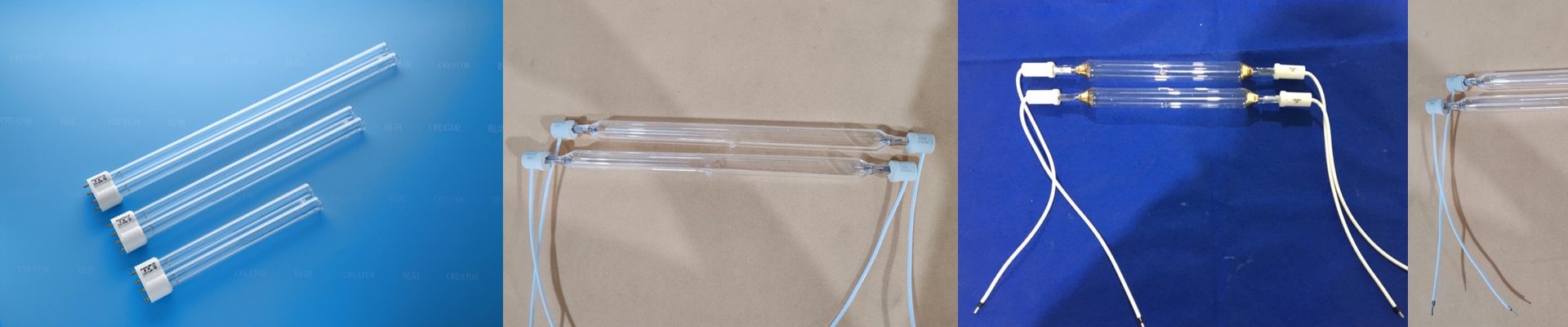
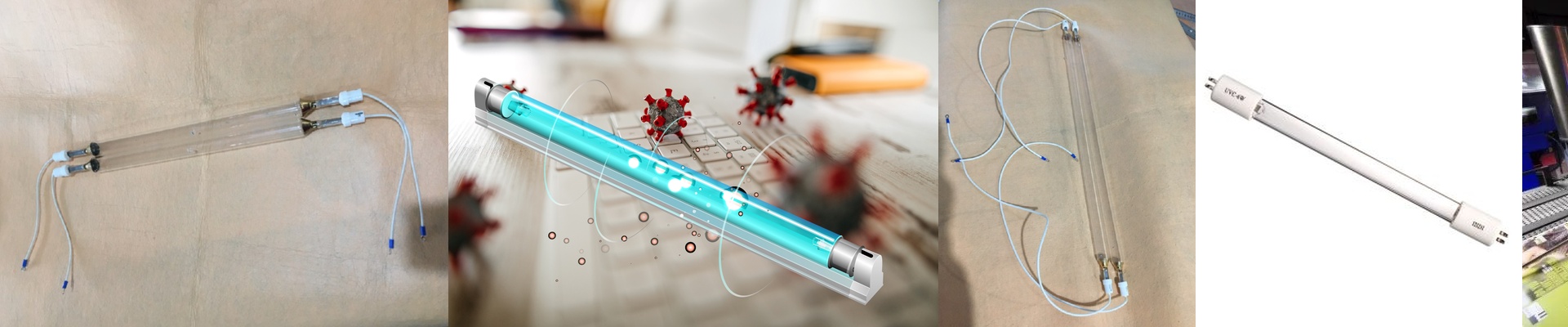
Most shops get by just fine with a standard UV bulb. They do the job. But if you’re the kind of person chasing that extra 0.5% in spectral energy, you know that “fine” isn’t good enough. When you’re fighting for fractions of a percent, there’s no room for mistakes. We spent months obsessing over the internal shapes and gas mixes just to nail that tiny window. The secret is in the arc. Mercury lamps hit their stride at 254nm and 365nm. To keep that energy tight, the arc has to stay dead center. If it wanders, your intensity drops. It’s that simple. We fixed this by tweaking the electrode materials and using a cleaner grade of quartz. The result? The UV output stays locked in. It doesn’t drift. For you, that means you can crank up the line speed without worrying that the bottom layer of your coating is still wet. The quartz balancing act. We use synthetic quartz because it lets the UV rays fly through instead of soaking them up. But here’s the tricky part: the wall thickness. If we make the walls too thin, you get great light transmission, but the bulb might crack the moment it hits a thermal shock. If they’re too thick, you lose power. We spent a lot of time finding that sweet spot where the bulb is tough enough to handle rapid heat cycles but clear enough to let the energy through. A quick heads-up on the heat. Here is the thing: when you concentrate energy like this, it gets hot. Really hot. You can’t just toss these into a cheap, old housing and expect them to last. If your cooling fans are choked with dust or your heat sinks are too small, you’re going to burn the bulb out. The quartz will solarize, your energy levels will tank, and you’ll be right back where you started. Keep your cooling systems matched to the wattage. It’s the only way to actually keep that 0.5% gain for the long haul.