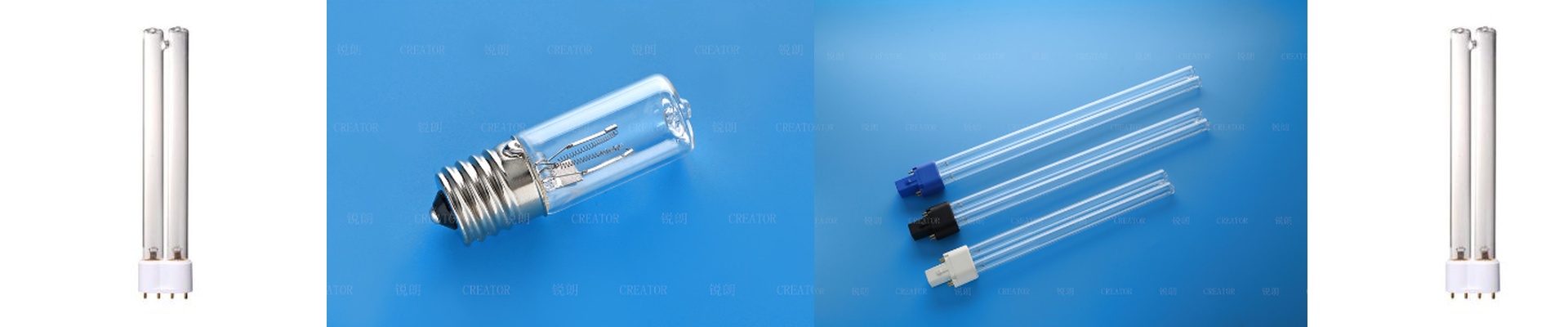
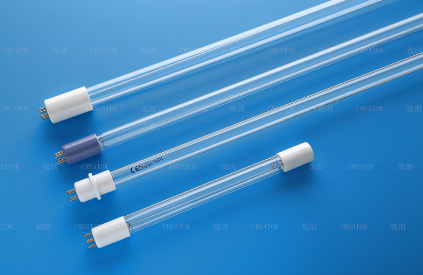
How to Actually Get More Life Out of Your Mercury UV Tubes
Let’s be honest: mercury UV curing tubes are the unsung heroes of the factory floor. They do the heavy lifting to get your inks and coatings to set, usually by hitting that sweet spot in the UVC and UVB range. But when you’re running a high-speed line, the real headache isn’t the science—it’s the downtime. Every minute you spend swapping out a dead tube is a minute your product isn’t moving.
The trick to making them last
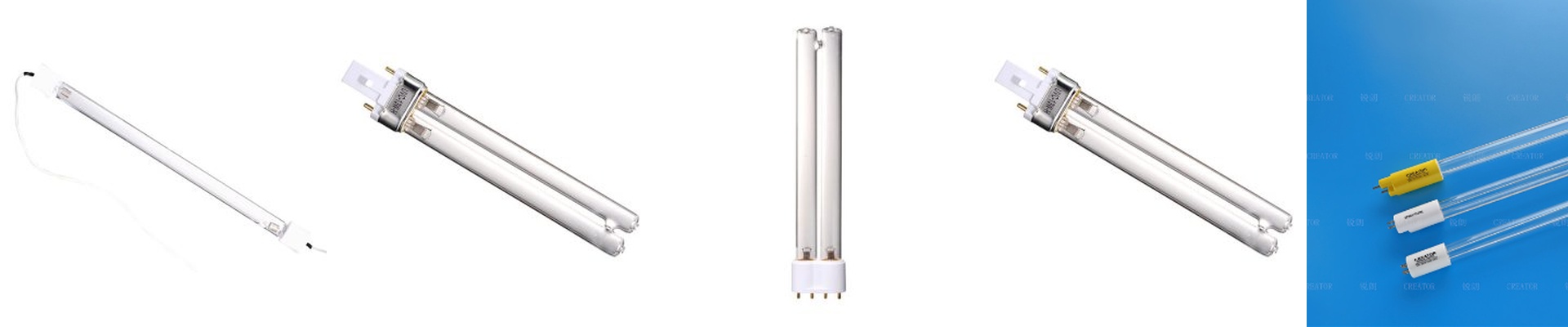
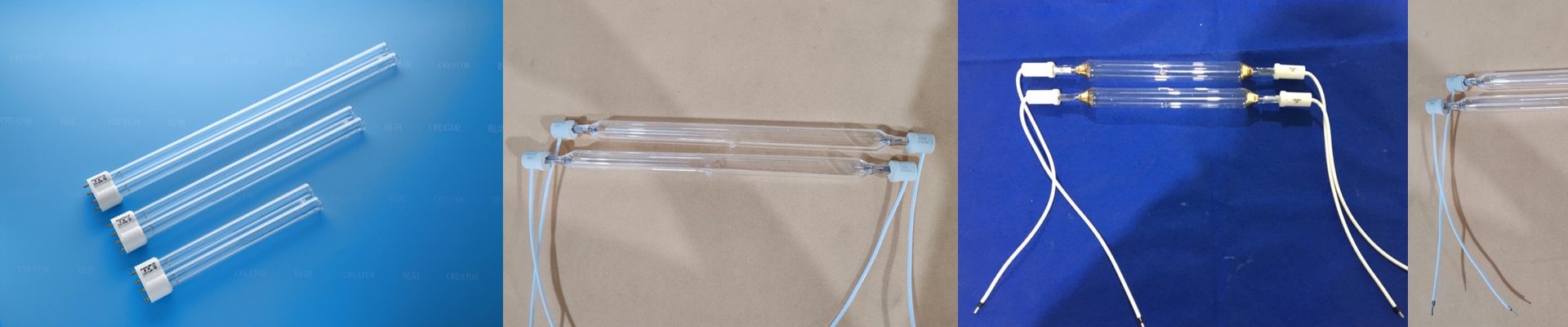
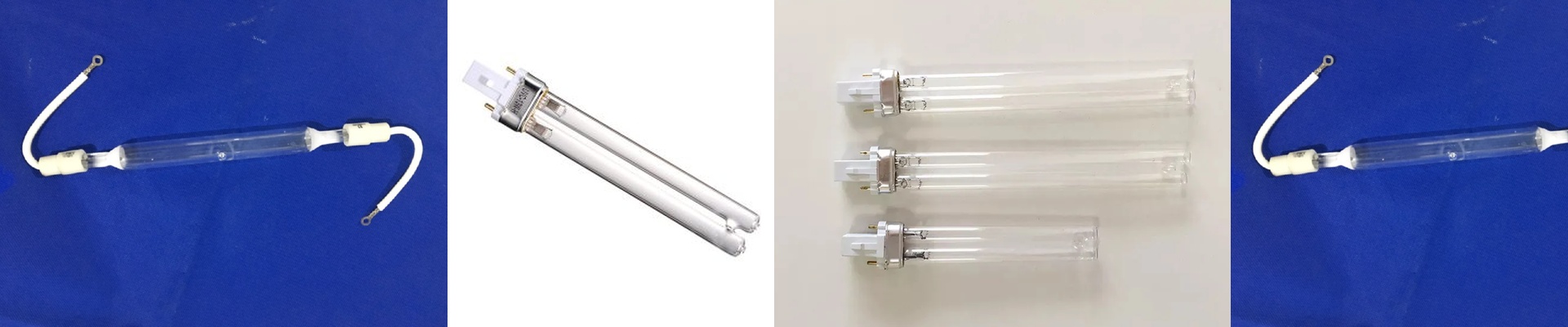
It all comes down to a bit of a balancing act between gas pressure and the purity of the quartz. We use high-transmittance fused quartz because it stops the glass from “stealing” the UV radiation. That way, more energy actually hits your product, which is where it belongs. But here is where a lot of people trip up: the ballast. I’ve seen operators push their lamps about 10% past the rated power just to shave a few seconds off a cycle. It feels like a win in the moment, but it’s a trap. Doing that usually kills the electrodes and cuts your tube life by 30%. It’s a bad trade. Stick to the rated wattage, and your lamps will actually last.
No one likes waiting three weeks for a part
If you’re in e-commerce or FMCG, you know that “flexible supply” is just a fancy way of saying “I need this part yesterday.” There is nothing worse than a tube popping on a Friday night and realizing you’re stuck waiting weeks for a custom build. That’s why we keep our most popular specs in stock. We also keep the footprints standardized. You just pop the old one out and slide the new one in. No messing around with your reflectors or spending an hour tweaking the conveyor height. It just works.
A quick warning on heat
Here’s the thing about high-intensity lamps: they get hot. Really hot. Even with tubes built for a long life, that heat has to go somewhere, and often it goes straight into your substrate. If you’re working with plastics that warp easily, be careful. You might need to beef up your cooling system or just move the tube a bit further away from the part. It’s a trade-off. You want a fast cure, but you don’t want a melted product. Find that middle ground, and you’re golden.