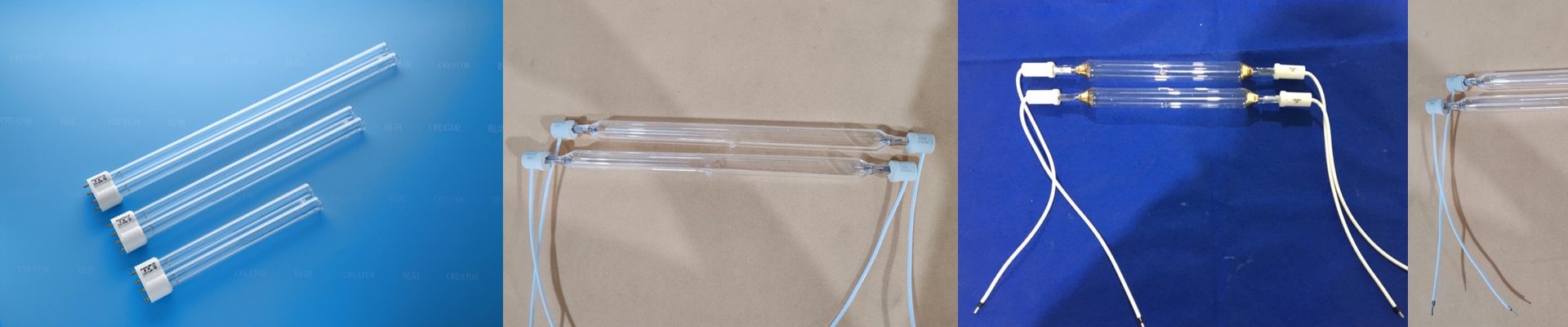
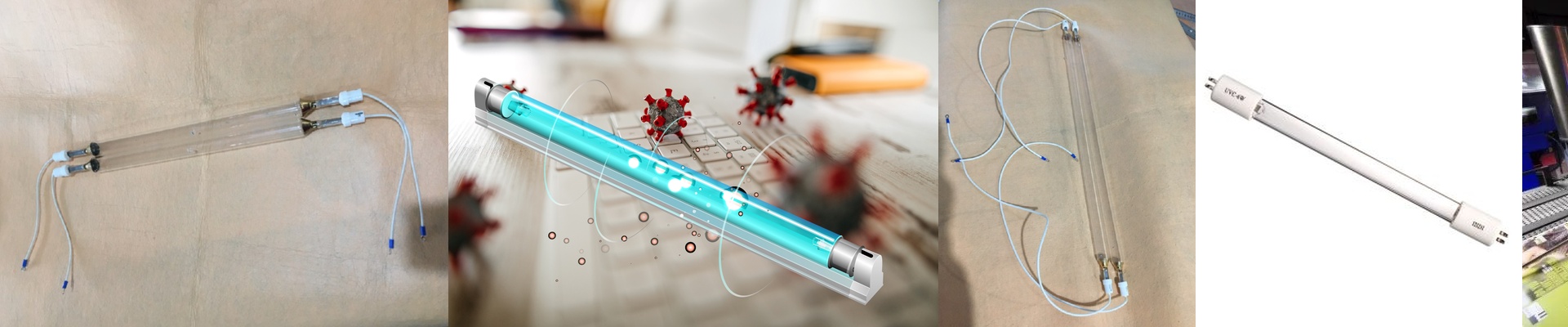
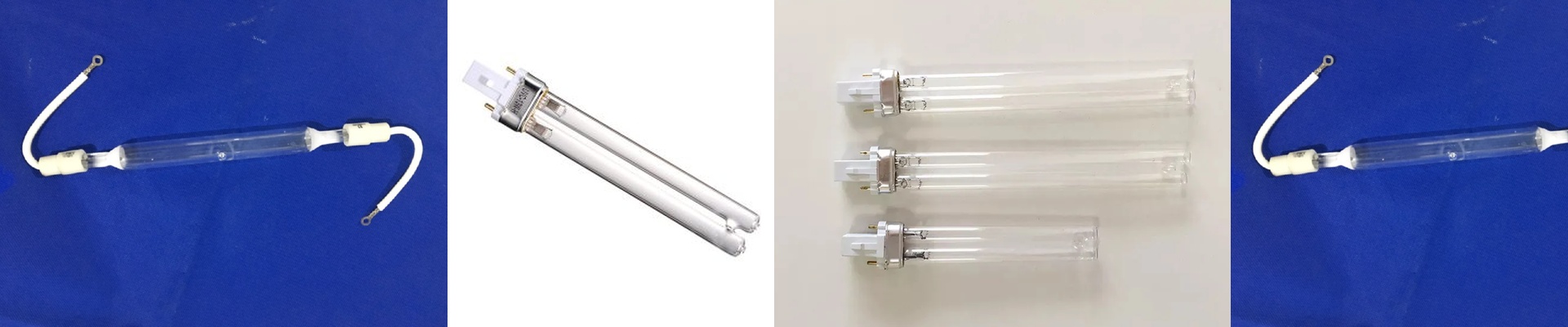
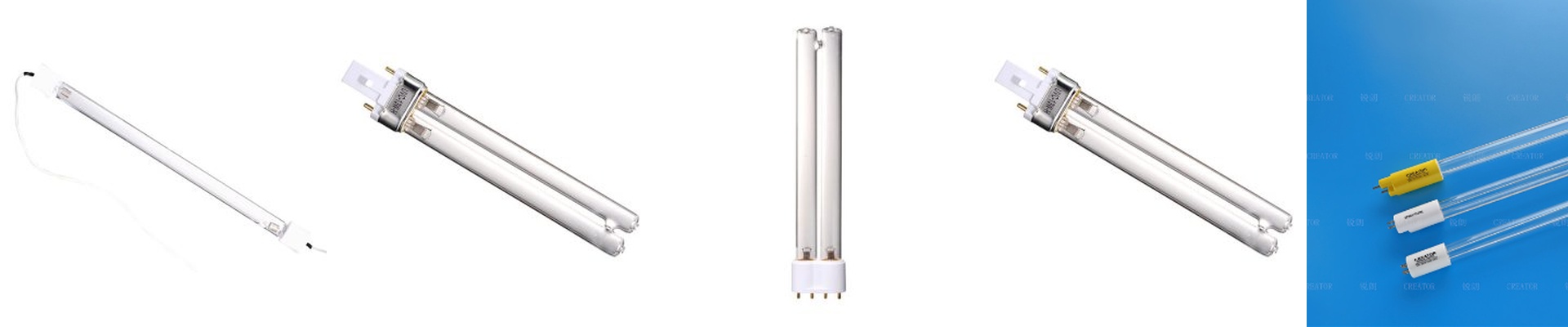
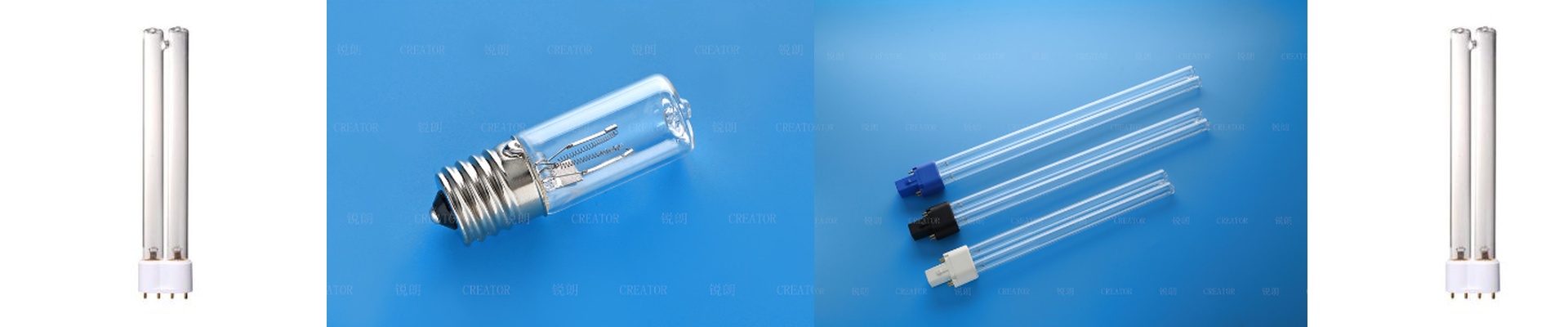
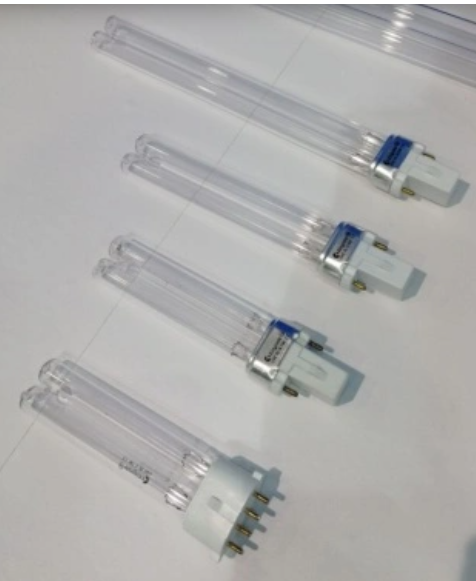
On the press, those darkened ends on a mercury vapor UV lamp aren’t just ugly. They’re a tell. The kind that says the lamp is under stress, and that stress is eating away at spectral output and cutting service life short. Two things drive this most of the time: too many start-stop cycles, and ballast settings that don’t line up with the lamp. Every hot restart forces a re-strike, and each re-strike chews up electrode emissive material. That material migrates and shows up as the blackening you see, which then blocks UV transmission. What actually matters under the hood Mercury vapor UV curing lives and dies on stable arc behavior and repeatable spectral output across 200–450 nm, with strong peaks at 365 nm and 254 nm. You need enough peak irradiance at the substrate to drive photoinitiator cross-linking within the press speed window. Ballasts have to match the lamp’s rated power, operating current, and ignition voltage. Mismatched ballasts push the lamp off its design curve, which accelerates electrode erosion and makes the arc discharge unstable. Reflector geometry and dichroic coatings set dose uniformity, and ozone-free quartz helps keep transmission up while cutting maintenance hassle. Why this matters on the floor When you keep start-stop frequency in check and match ballast parameters, the lamp runs calmer. Electrode integrity stays intact, and UV intensity stays consistent. The payoff is fewer curing failures, less waste, and lamp life you can plan around. Operators stop chasing intermittent hot spots and get repeatable cure on inks and coatings. Maintenance stops being a scramble and turns into scheduled work instead. The practical watch-outs Mercury vapor lamps don’t like thermal and electrical stress. Rapid cycling, plus undersized or overdriven ballasts, will shorten life fast. Make sure the lamp wattage, arc length, and end-of-life tolerances line up with the reflector and cooling system you’re running. Also confirm the power supply and connector ratings match the lamp and ballast combination, so you don’t end up with voltage drop and overheating.