Why the 2026 Printing Expo Turned Heads for Our Custom UV Module
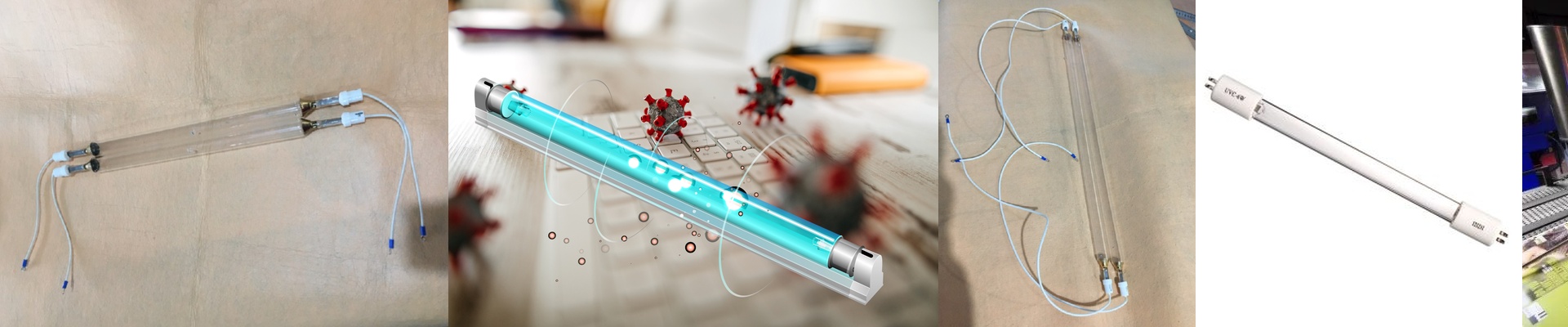
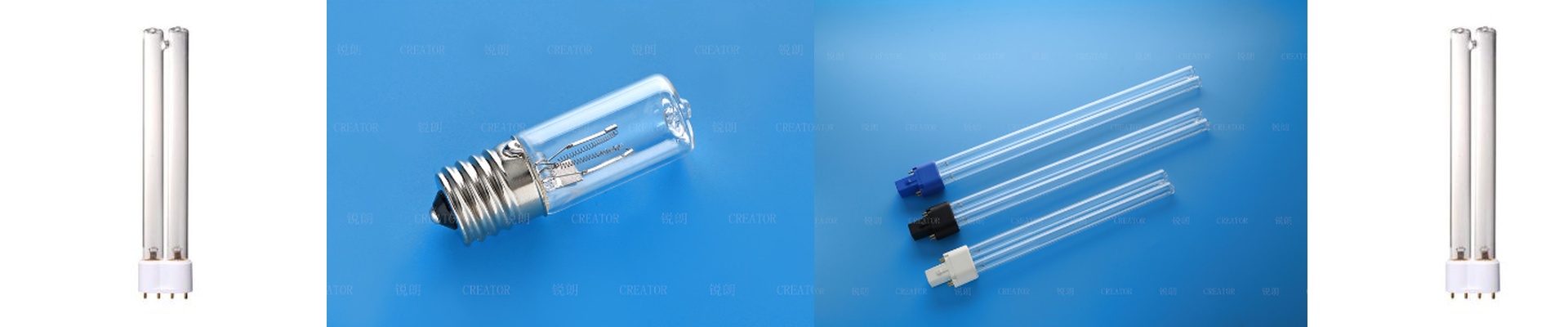
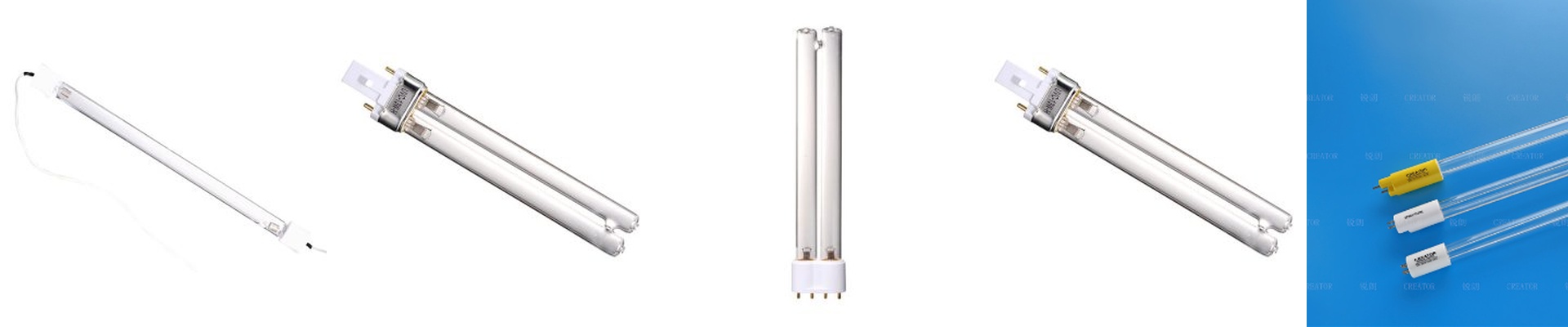
So, the 2026 Printing Expo. We didn’t just roll in with another UV lamp. We brought something different—a sterilization system built from the ground up for the reality of a fast-moving production floor. Here’s the problem we set out to solve: how do you keep surfaces clean without grinding the line to a halt or turning the operator’s station into an oven? Our custom motion-sensor UV module was the answer we built.
Let’s get into the guts: power, voltage, and size
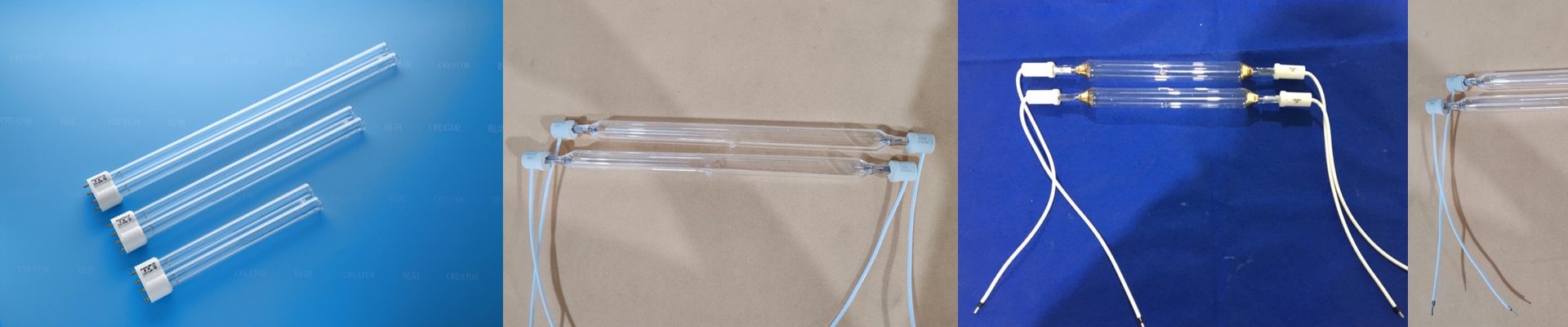
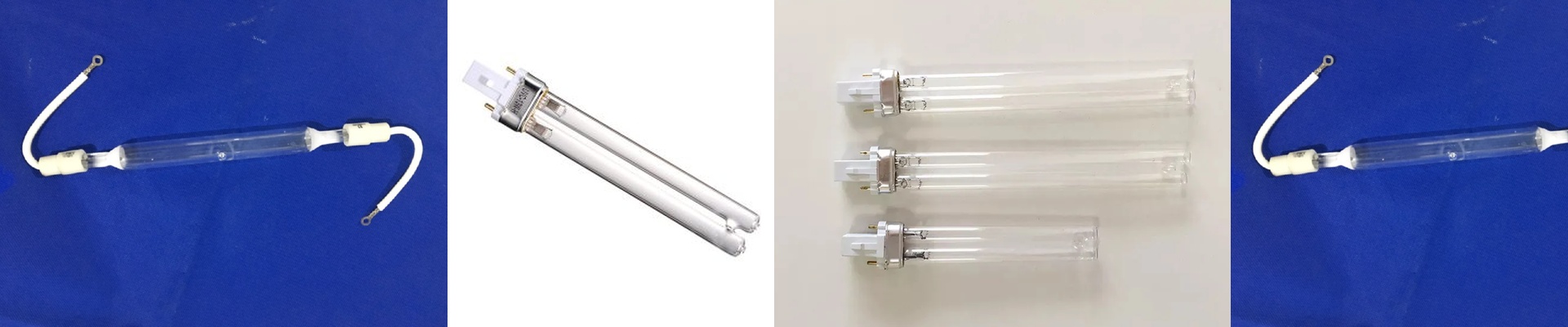
We didn’t pick specs to sound impressive. We picked them to work—and keep working, even when the day gets busy. The core runs on 400V, not 220V. Why? Because printing plants typically run on three-phase power, and 400V gives you steady, reliable arc control when the load jumps around. Paired with 2500W, the system throws out high-intensity UV across a 300mm active zone. That’s enough to cover the print head and the immediate web path. And that 300mm length? It’s intentional. Long enough to hit the critical spots, but short enough to slip into tight machine bays without forcing you to tear the line apart and start over.
What it’s made of—and why it matters
Inside, you’ll find a quartz sleeve with a special coating. It keeps UV transmission strong while shrugging off the daily chemical load—inks, solvents, cleaners. The halogen-filled environment keeps the arc temperature steady, so the output stays consistent even during those long, marathon runs. For the connector, we went with R7s. It’s quick to wire, mechanically tough, and built to handle the vibration from nearby rollers and motors. It’s also a drop-in fit for many existing fixtures, so you can upgrade without scrapping what you already have.
How it feels on the floor
On the printing floor, this thing is designed to be smart. It uses motion-triggered sterilization: when the sensor picks up an operator nearby or detects equipment movement, it activates only the zone that’s needed. That means the lamp isn’t running full-time, which stretches its life and cuts down on replacements. Now, 2500W at 400V does generate real heat. So you do need to plan for airflow and mounting clearance. But if you set that up right, you get a compact, serviceable module that keeps pace with high-speed printing—without turning into the maintenance headache that stops the line.