Getting UV Curing Right (Without the Headaches)
Let’s be honest: UV technology isn’t as simple as just popping in a new bulb and calling it a day. If you’ve ever dealt with ink that won’t dry or a sterilization process that misses a spot, you know exactly what I mean. It’s a balancing act between wavelength, power, and heat. We aren’t here to just ship you a box of parts. We want to help you map out your whole line so you can finally stop worrying about ink bleed or that annoying surface tackiness.
The actual physics of it all
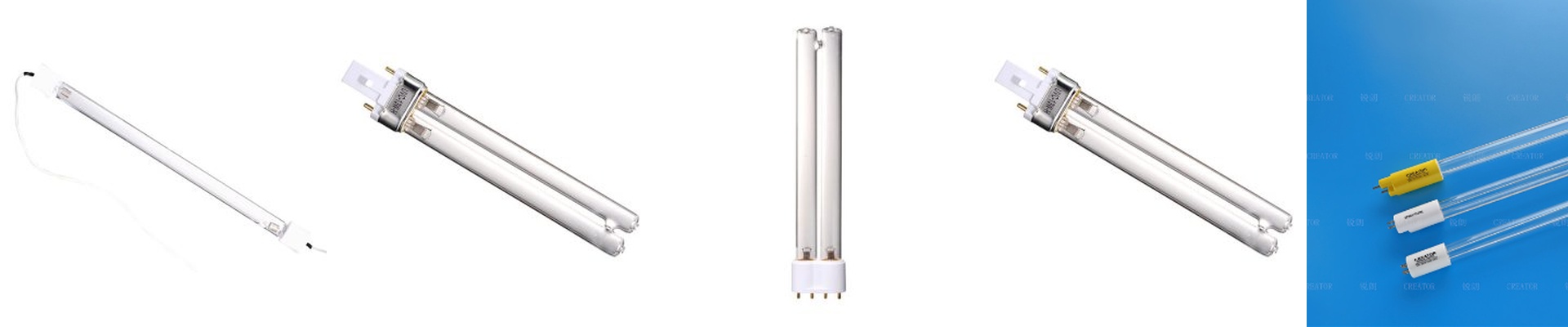
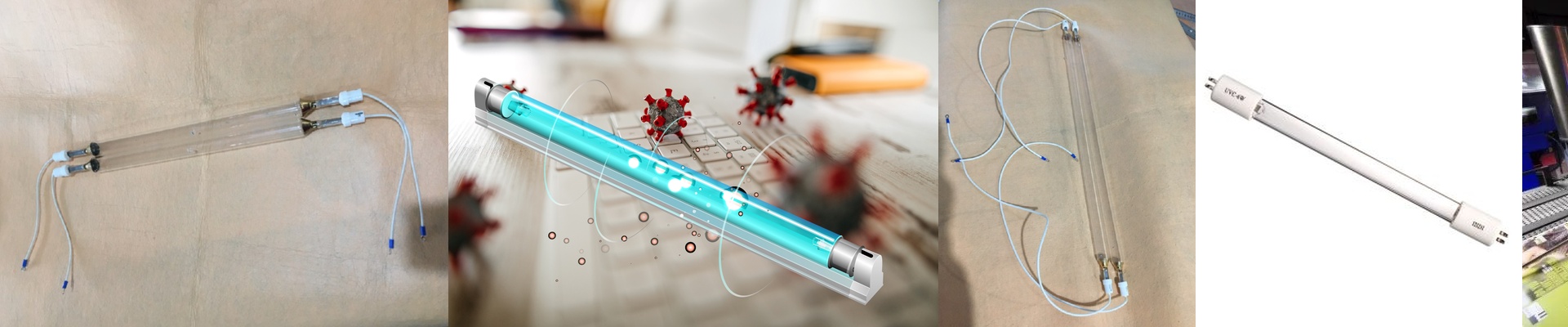
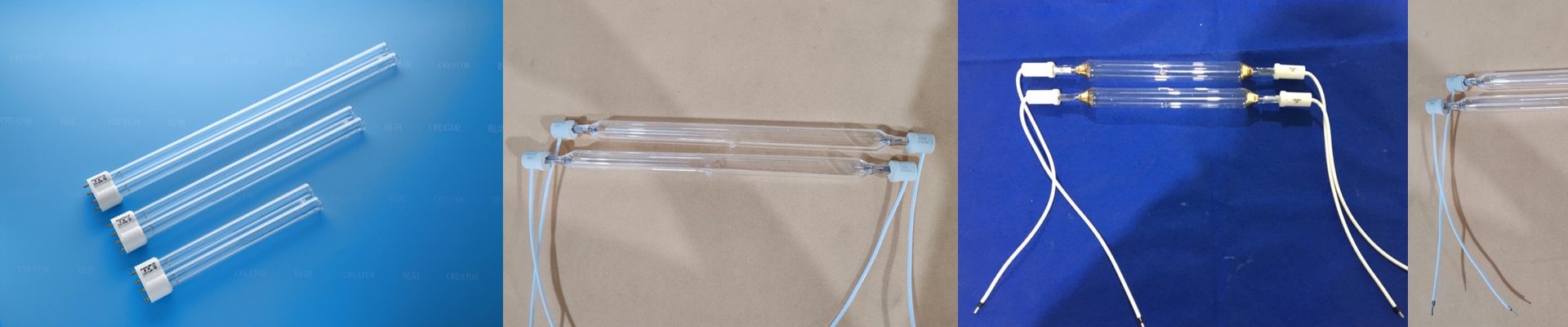
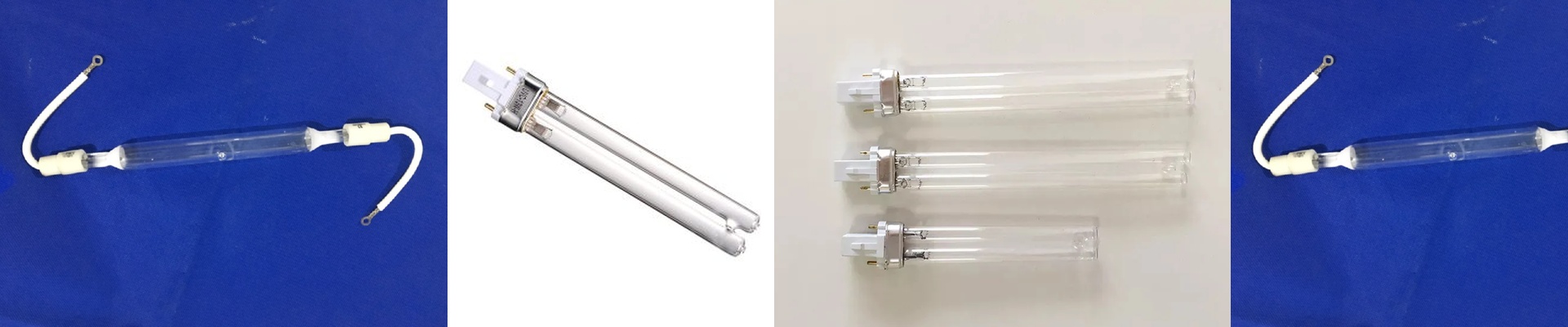
Here is the thing: your lamp has to “talk” to your ink. If the light spectrum doesn’t match the photoinitiators in your coating, nothing happens. Whether you’re using mercury-vapor or LED, the wattage and voltage are what dictate your speed. Crank up the intensity and your polymers cross-link faster—which is great for your deadline. But there’s a catch. All that power creates heat. If you push too hard without a solid cooling setup, you’ll end up warping your PET films or scorching your fabrics. Not a great look.
The hardware that actually holds up
Your gear has to be able to take the heat. Literally. We spend a lot of time obsessing over power supply stability and how the reflectors are positioned. It sounds minor, but a reflector that’s slightly off can waste 30% of your energy. Instead of hitting your product, that energy just turns into wasted heat. Plus, we make sure your electrical connections can actually handle the current. Nobody wants a socket burning out in the middle of a big run.
Killing the bottlenecks
Most production jams happen because the UV light isn’t hitting the web evenly. You get these “soft spots” where the ink stays wet, and suddenly your whole batch is ruined. The fix? It’s all about the gap between the lamp and the substrate. You have to find the sweet spot between how fast your conveyor is moving and how much light you’re throwing at it. If you decide to speed up the line, you’ve got two choices: boost the irradiance or add more lamp stages. We’ll sit down with you and calibrate these numbers so your quality stays exactly the same, whether it’s hour one or hour twenty-four of a shift.