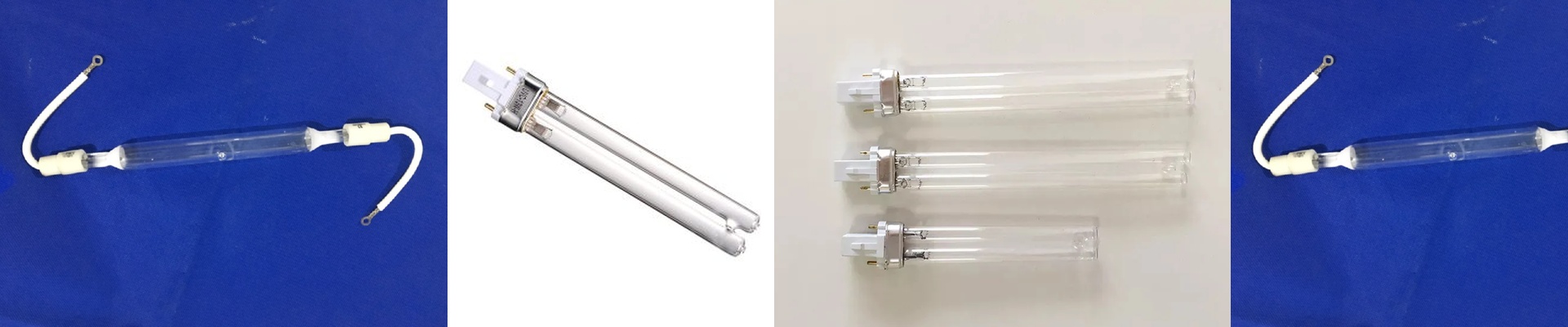
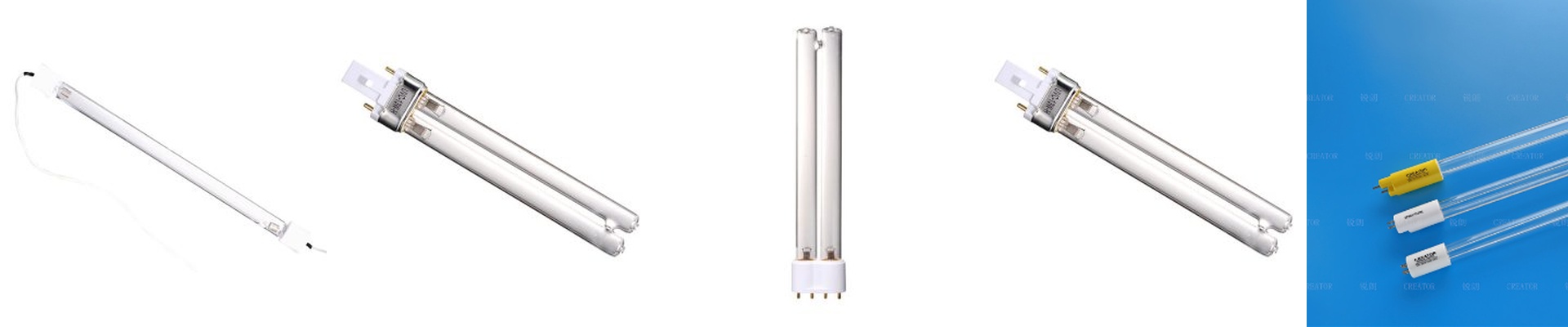
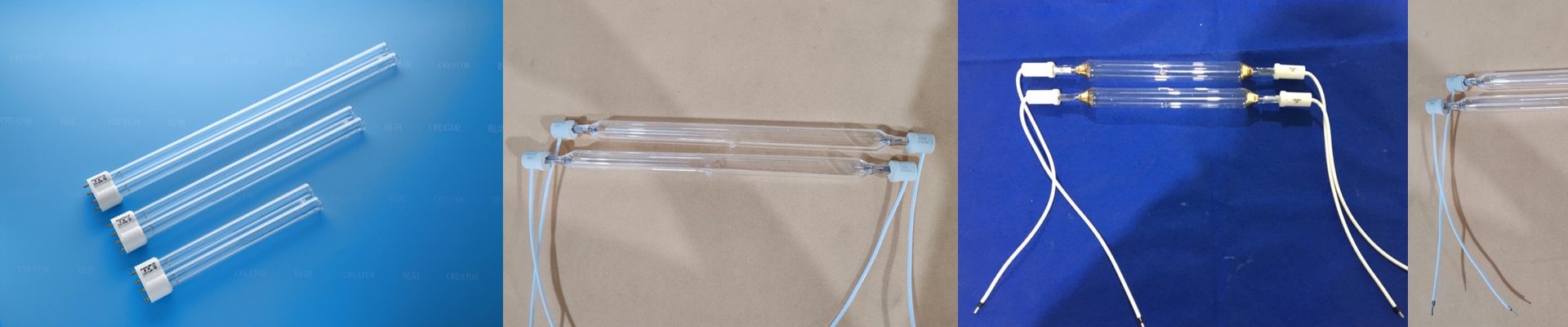
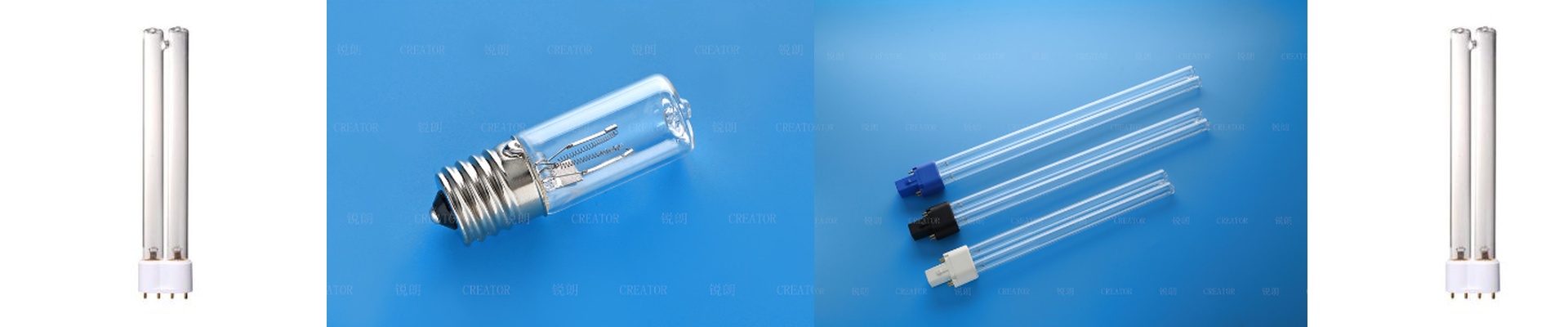
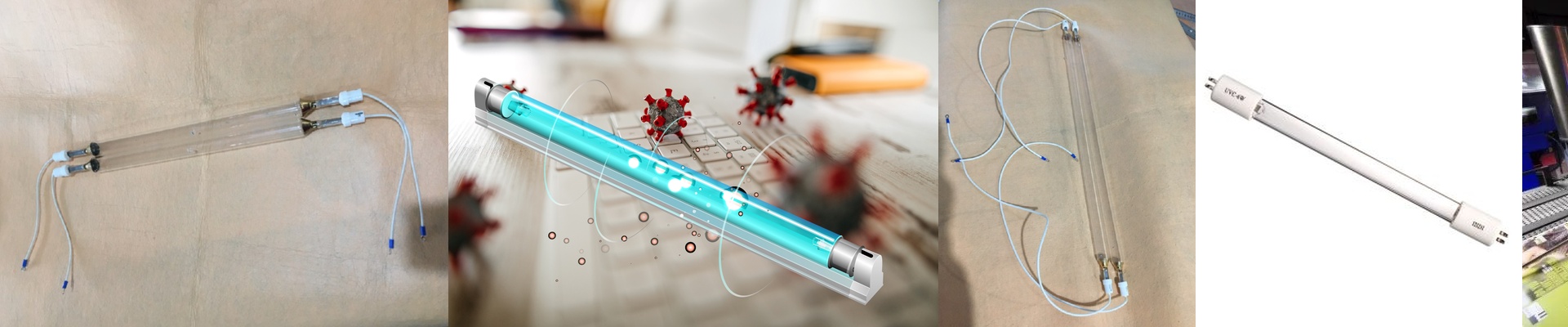
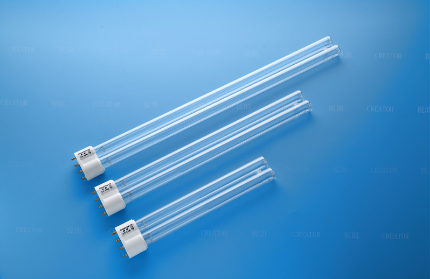
On the shop floor, a lamp going down doesn’t just stall a press. It wipes out the whole production plan, forces a schedule rework, and kicks off a scramble for spares. In HVAC UV germicidal work, the stakes are different, but the risk is the same—only here the price is paid in contamination control and compliance. We run every UV lamp through a full two-hour, 100% power burn-in before it leaves our doors. Field reliability doesn’t just happen. It’s built in. What matters, technically We spec high-pressure mercury vapor lamps with stable spectral output centered on 254nm—geared for germicidal action, not the broad-spectrum wavelengths used in UV curing. Peak irradiance is measured at the target plane, and the system is laid out to deliver a consistent dose across the duct cross-section. The quartz sleeve, reflector geometry, and ballast matching are chosen so output stays steady even when thermal load climbs. Burn-in exposes the early-life gremlins: electrode conditioning that’s still settling, internal gas contamination, and weak solder joints that only show up once everything is at full operating temperature. Why this works in practice A two-hour, full-power burn-in mirrors real duty cycles. It pulls out infant mortality before the lamp ever hits your inventory. The payoff is a predictable lamp life curve, fewer call-backs, and output that stays stable over time—so microbial inactivation is repeatable, and your maintenance planning stays steady. Things to keep straight High-intensity UV means you have to manage heat and keep fixtures aligned. Even if the lamp looks strong on a radiometer, misalignment will cut effective dose. Before installation, confirm ballast compatibility and make sure the fixture ventilation is right. Also, check duct surface reflectivity and lamp positioning to hit your dose targets. The whole optical path matters, not just the lamp.