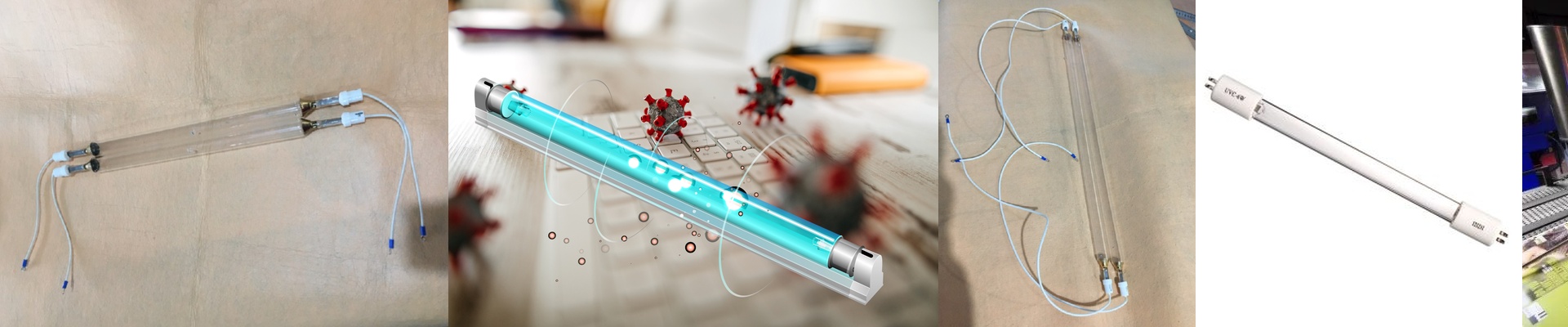
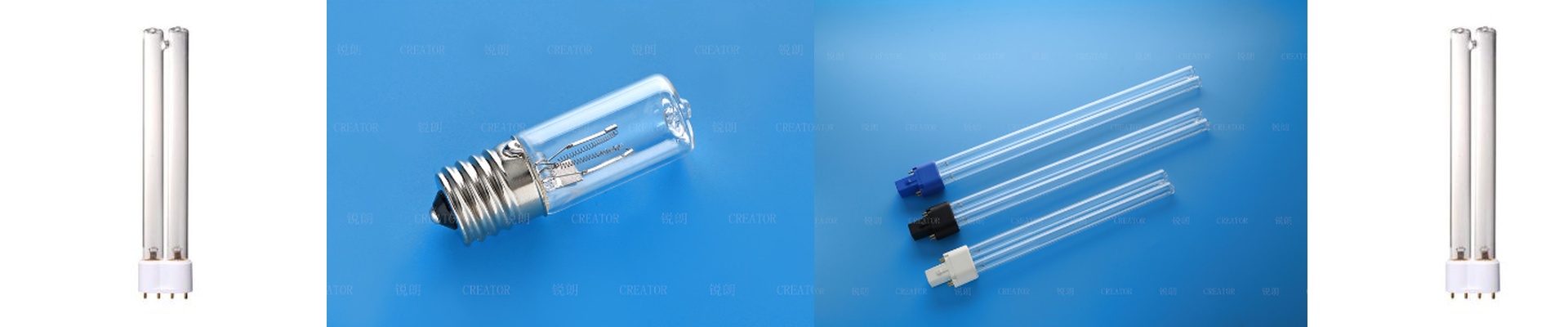
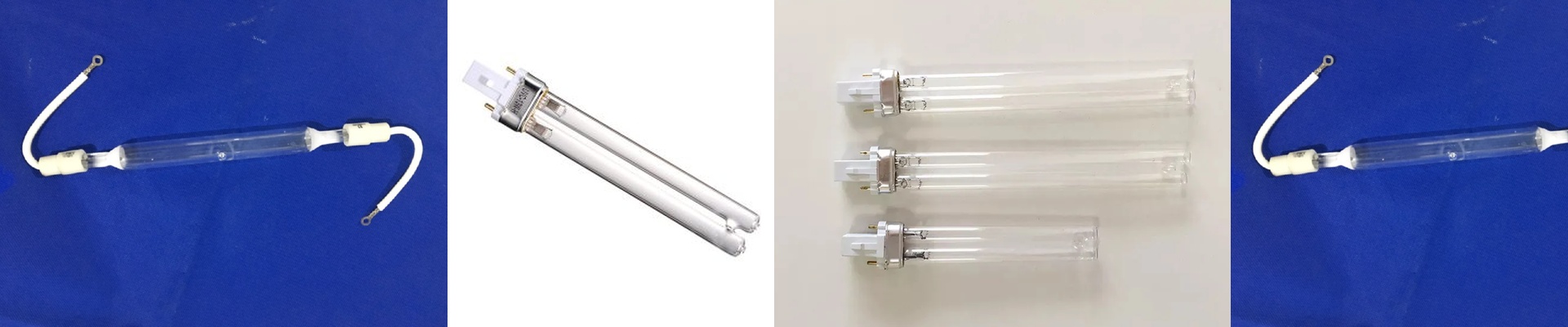
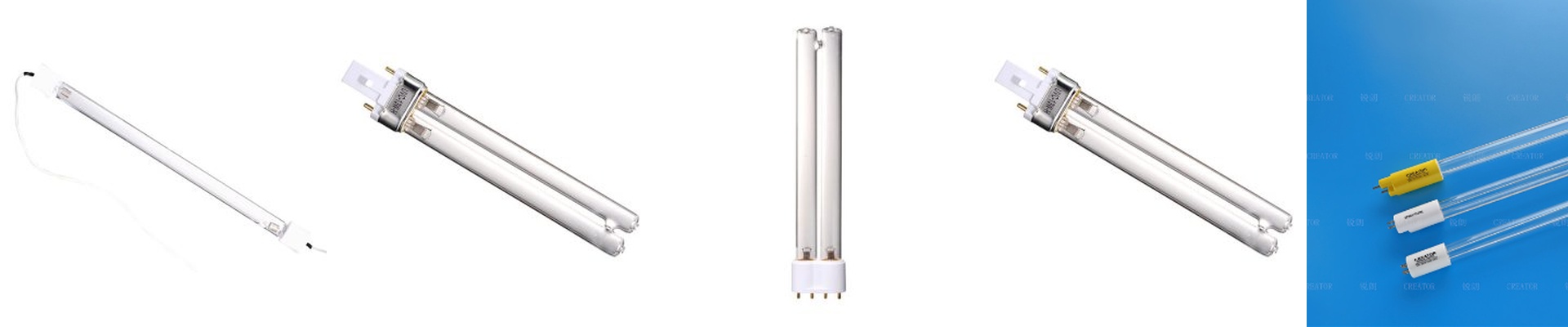
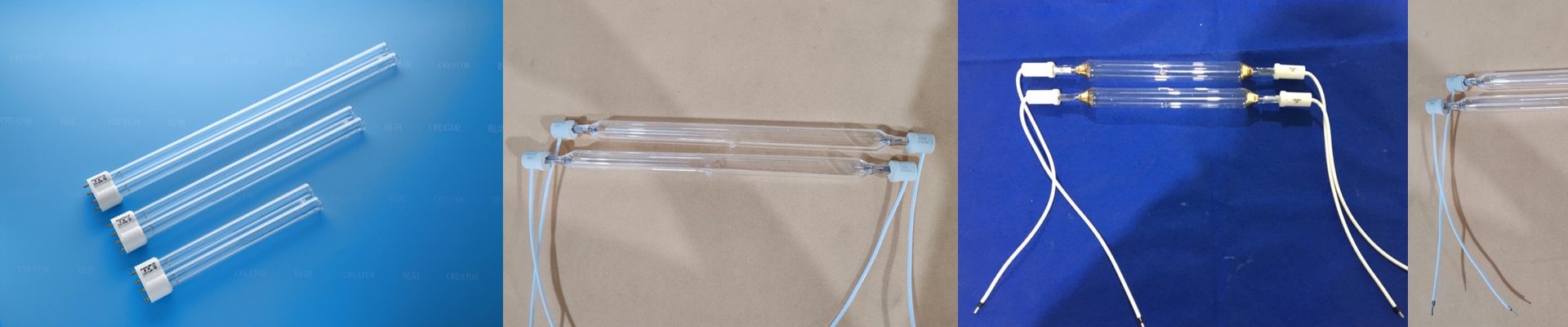
Getting the Light Exactly Right: Gallium Iodide Lamps
Most industrial lamps just throw a bunch of heat at a target. They’re broad and messy. But sometimes, you don’t need a heat wave—you need a surgical strike. That’s where our Gallium Iodide lamps come in. We don’t build these for general lighting. We build them to trigger specific photochemical reactions. It’s all about hitting one exact spot in the spectrum to get a reaction to happen.
How we handle the chemistry
We use a Gallium Iodide (GaI) halide mix to shift where the light peaks. It allows us to hit wavelengths that your standard tungsten or halogen bulbs simply can’t reach. Inside our clean-room lab, we play with the gas ratios and pressure until the lamp hits the exact UV or visible light mark you asked for. One detail that people often overlook? The glass. We use high-purity quartz because if there’s even a tiny bit of junk in the glass, it blocks the light you’re paying us to make. We test every single batch. If the peak drifts, the lamp is useless.
A word of warning on heat
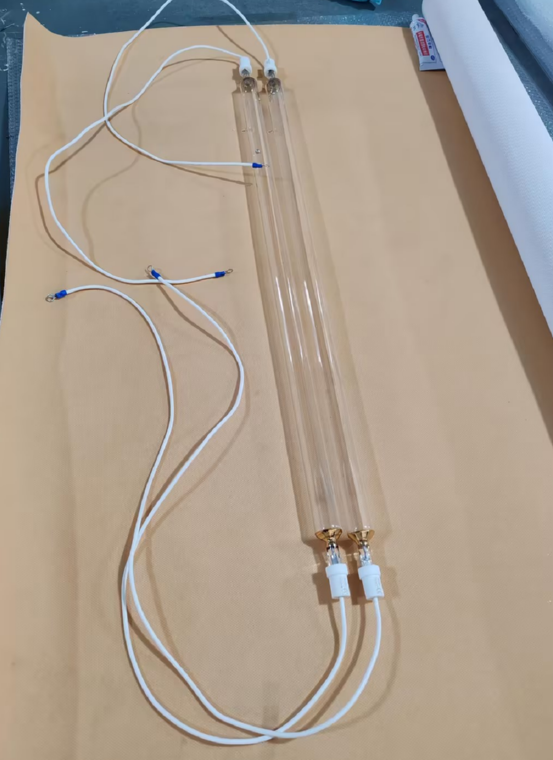
These things get hot. Really hot. If you try to run them at full blast without a solid cooling plan, you’re going to have a bad time. We’ve seen too many setups fry their electrodes because the housing didn’t move enough air. Don’t ignore the thermal footprint. To make things easier, we offer different lengths and wattages so they actually fit your gear. Whether you need a quick drop-in replacement or something totally custom, we’ll match the voltage to your power supply. No flickering, no burnt-out filaments.
Where this actually matters
You’ll mostly see these in scientific research or specialized curing lines. They’re used whenever a polymer or a catalyst needs a very specific “nudge” from the light to work. The real struggle here is stability. If the wavelength shifts even a little bit over time, your whole process fails. That’s why we obsess over the build—so your light stays on target for the long haul.