Getting the Most Out of Gallium Iodide Lamps
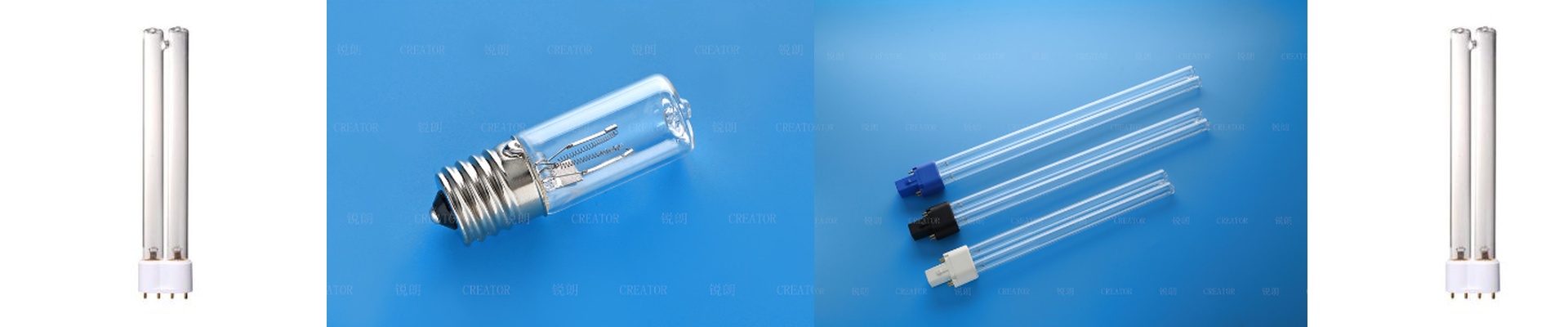
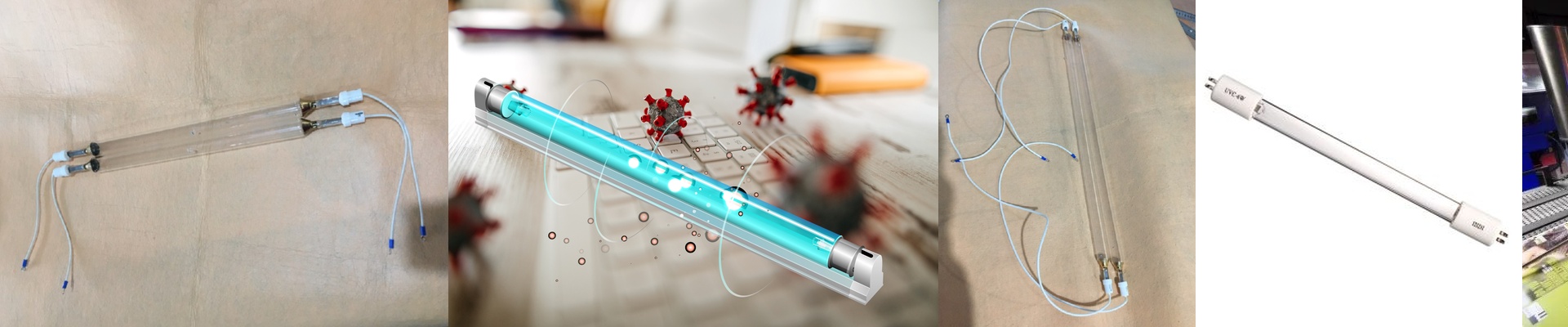
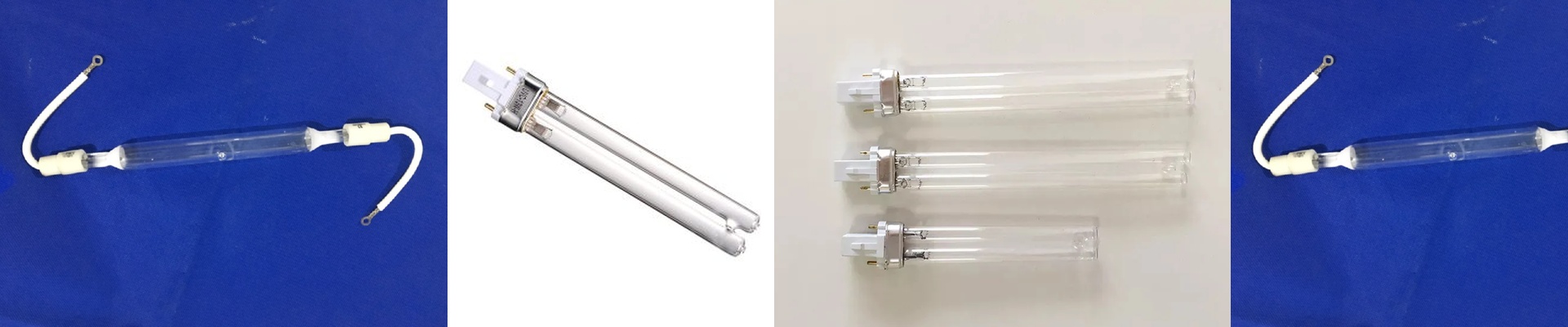
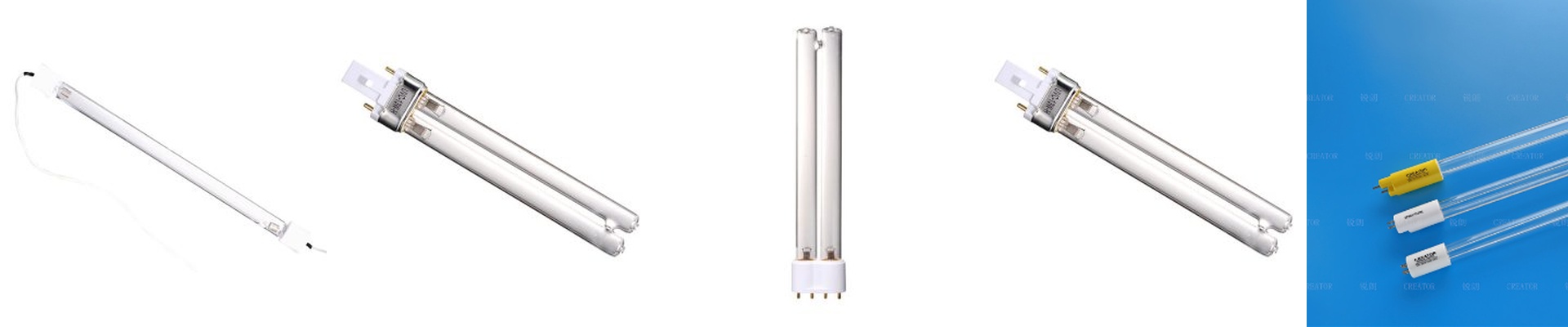
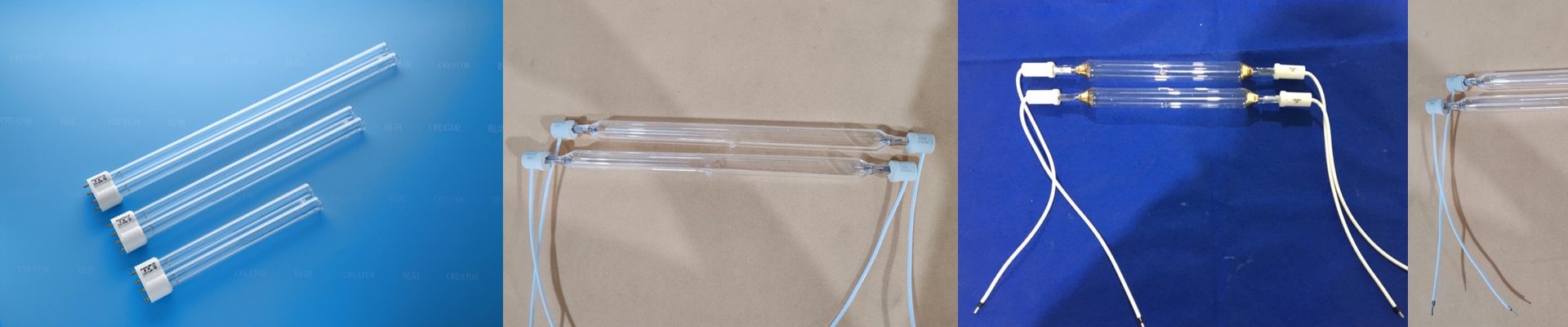
Most people look at gallium iodide lamps and just see a curing bulb. But for us? They’re more like precision tools. The magic happens inside the gallium halide plasma. It creates a very specific, concentrated spike of UV light that hits the photoinitiators in your resin exactly where they need it. It’s all about the energy. When we talk about these lamps, we aren’t talking about “brightness.” We’re talking about photon energy. If you pump more wattage through the tube, you get more irradiance on your part. That means your polymers cross-link faster, and your line speeds go up. But here’s the catch: all that UV power brings a lot of infrared heat along for the ride. If your cooling system can’t handle that heat, you’re going to run into trouble. You might see your parts warp or your resin start to degrade. It’s a balancing act. The grit and the glass We use high-purity fused silica for the quartz envelope. Why? Because it stops “solarization”—that annoying clouding that happens as a lamp gets older. If the glass clouds, you lose your light. Then there are the electrodes. These are usually where things go wrong. We stick with tungsten filaments so the lamps don’t just burn out the second you hit them with a high-voltage start. Making it work in a modern shop If you’re moving toward a smarter, connected factory, stop relying on “set and forget” timers. That’s the old way. We build our lamps to work with modulated power supplies. This lets you dial in the exact dose of energy (mJ/cm²) based on what your sensors are actually seeing in real-time. It’s much more controlled. One last tip if you’re dropping these into an old rig:check your reflectors. If they’re dirty or oxidized, your efficiency tanks. Most people try to fix this by cranking up the power to make up for the lost light, but all that does is kill the lamp’s lifespan. Keep the optics clean. Otherwise, you’re just throwing electricity away.