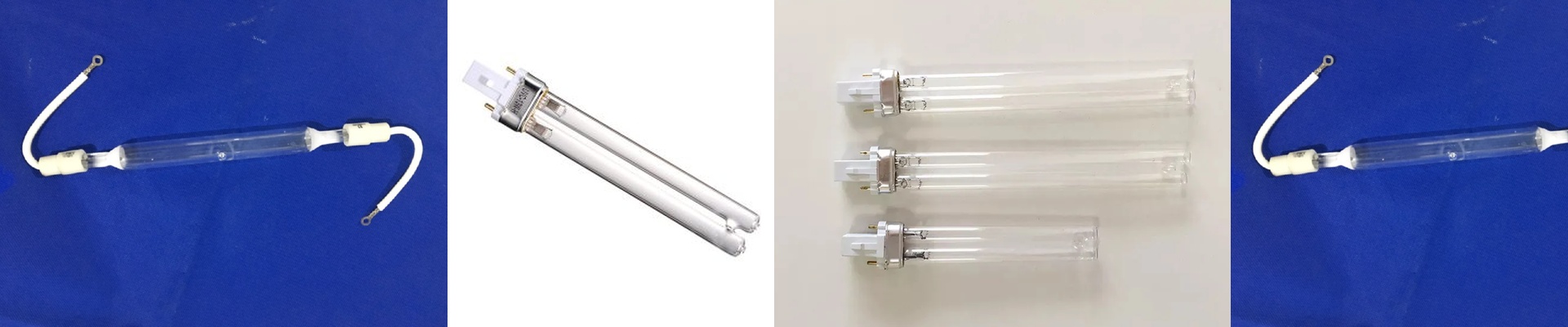
Getting Your UV Peaks Exactly Right with Gallium Iodide
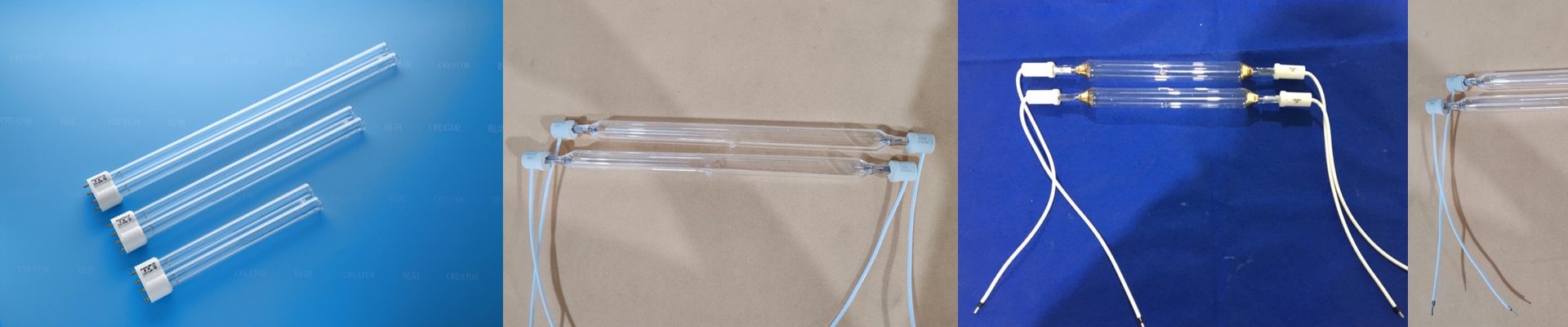
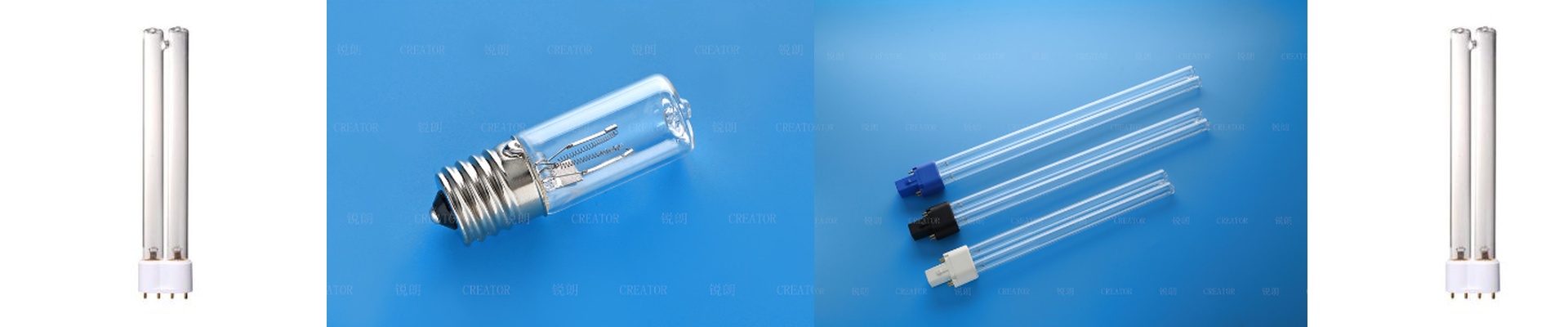
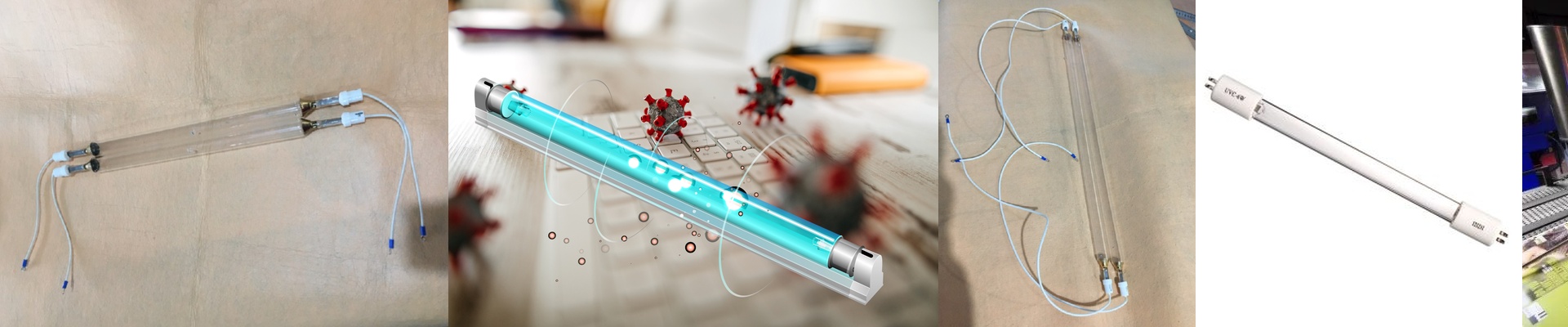
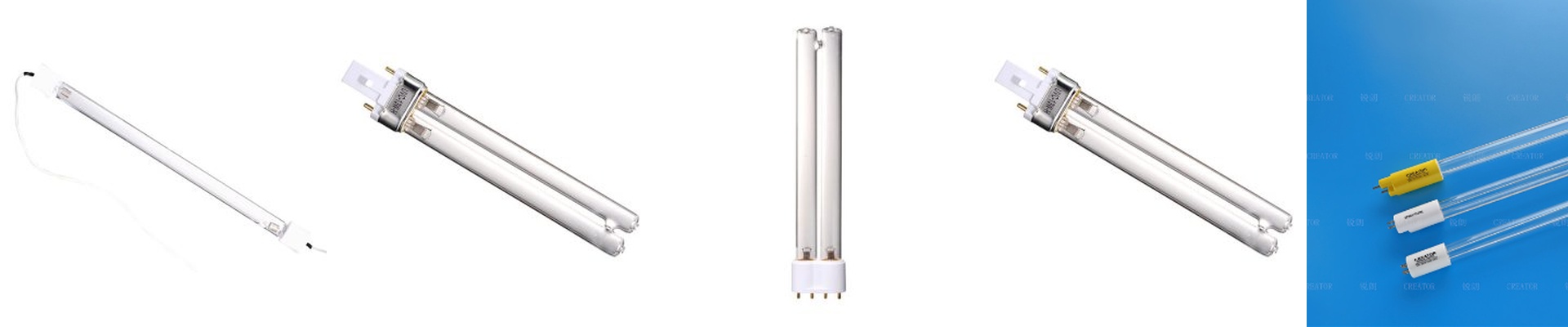
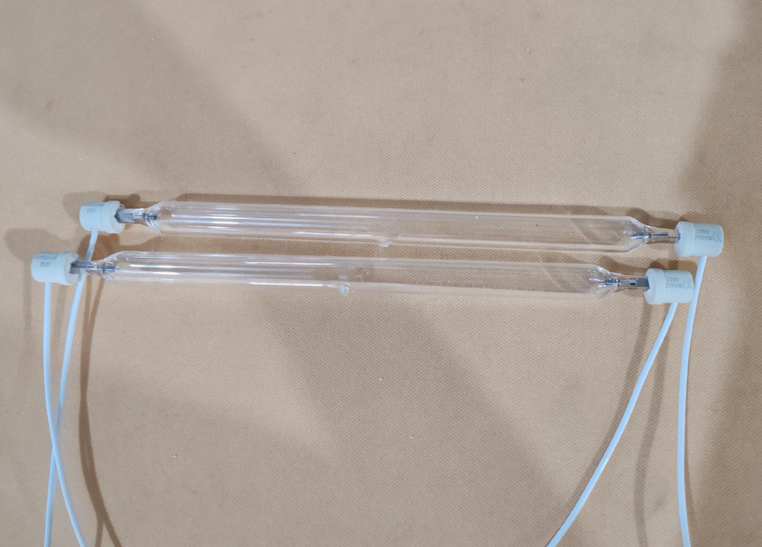
If you’ve ever worked with standard mercury lamps, you know the frustration. You want a clean hit at 253.7nm or 313nm, but instead, you get a bunch of “noise”—energy bleeding into wavelengths you don’t need. It’s messy. That’s why we build custom gallium iodide (GaI) lamps. By doping the arc with gallium iodide, we can basically tell the lamp exactly where to put its energy. It turns a broad spray of light into a precise tool. The secret is in the chemistry. We spend a lot of time obsessing over the ratio of gallium to iodine. That’s what controls how strong those UV-C and UV-B peaks actually are. But the chemistry is only half the battle. We use high-purity synthetic quartz for the envelopes because standard glass is too “thirsty”—it drinks up the shortwave radiation before it ever leaves the tube. If you use the wrong grade of quartz, you’re basically throwing away 20% of your power before you even start. Now, let’s talk about the heat. These lamps pack a punch, but that concentrated energy creates a lot of heat. If your housing isn’t breathing, the tube will overheat. When that happens, your spectral peak starts to drift and your efficiency tanks. You’ll also need a rock-solid voltage supply. We build these tubes to handle high current densities, but if the power isn’t stable, you’re just asking for the electrodes to burn out early. Real-world usage. These aren’t your everyday lightbulbs. We make them for the heavy hitters: semiconductor lithography, specialized curing, and high-end lab work. If you already have a rig set up, just let us know. We can tweak the length and the end-caps so the lamp just slides right in without you having to rebuild your entire machine. One last tip: keep an eye on your startup time. The higher the wattage, the longer it takes for the light to stabilize. I always suggest building a warm-up cycle into your PLC logic. It’s a simple fix that ensures your process doesn’t kick off until the gallium ions are fully excited and the output is flat.