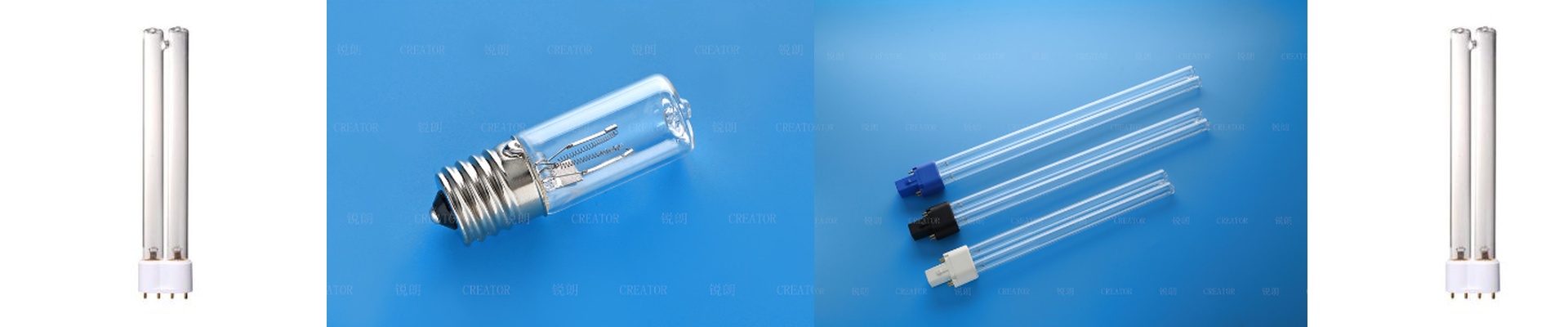
Why “Generic” UV Lamps Are a Massive Risk
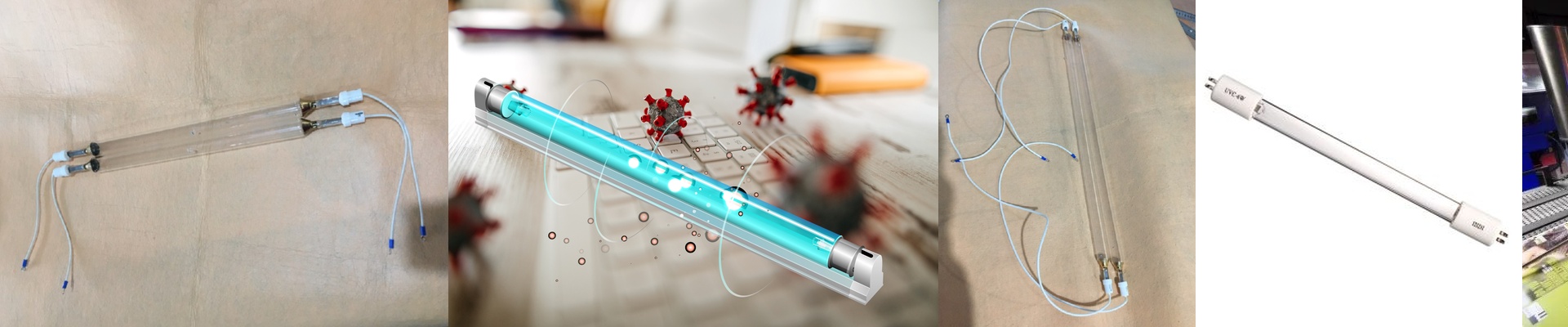
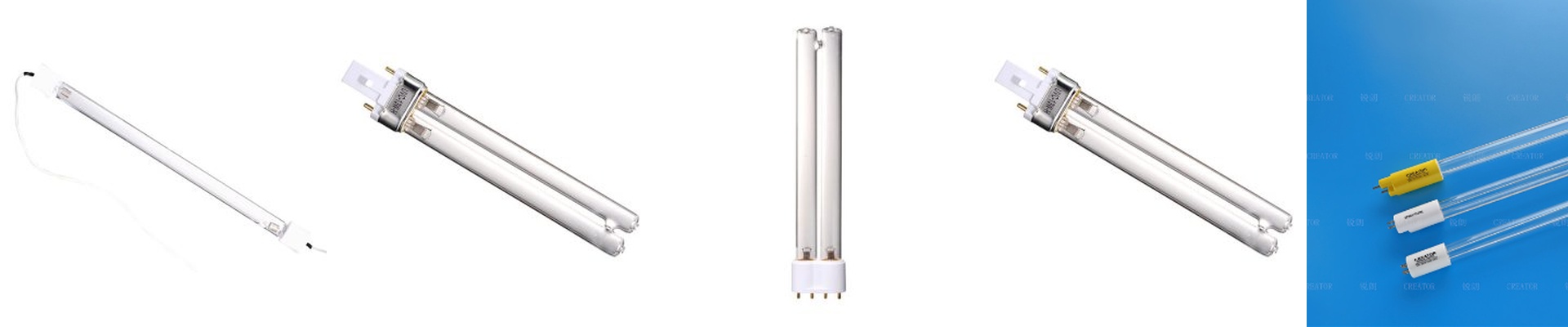
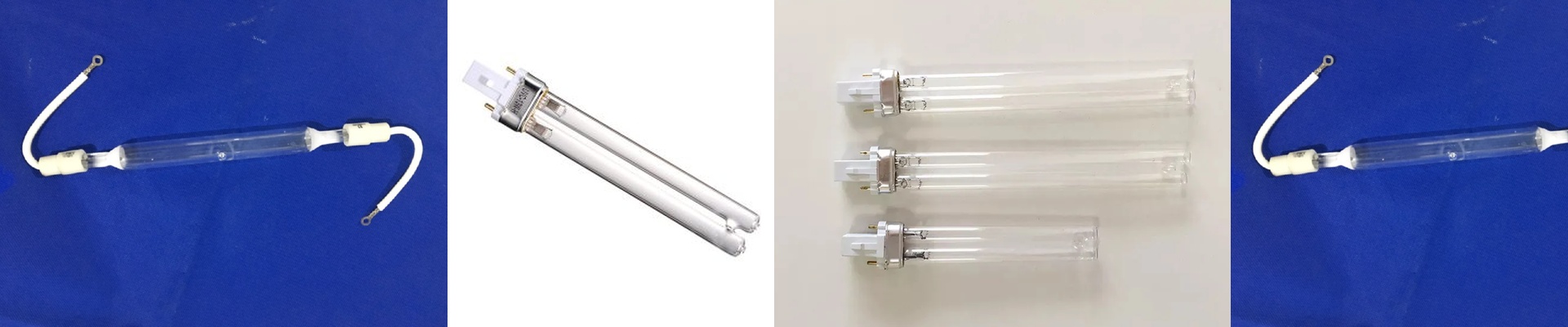
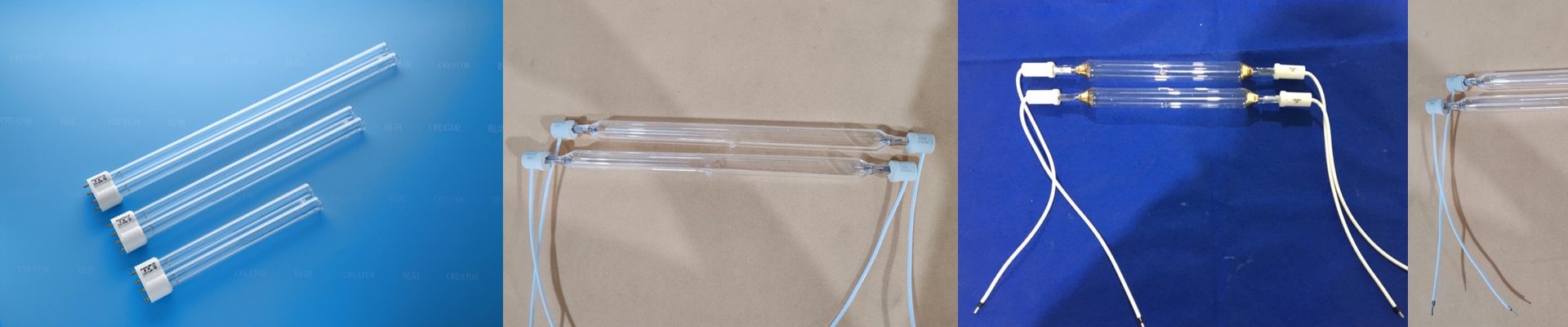
When you’re putting together a UV curing or sterilization system for export, the hardware is actually the easy part. The real headache? Intellectual property. Here is the thing: most generic UV lamps aren’t actually “generic.” They’re often just clones of designs that someone else already patented. If you use them, you’re basically rolling the dice. One bad day at customs and your entire shipment gets seized, or worse, you end up in a legal battle you didn’t see coming. Designing our own way out We don’t do clones. We build our lamps from scratch. Everything—the thickness of the quartz, the way the electrodes are shaped, the specific gas mix inside the tube—is our own work. We’ve filed the patents to prove it. This isn’t about protecting a brand name; it’s about the actual physics. By tweaking the dopants and the gases, we get the exact light output you need without copying a competitor’s blueprint. You get a lamp that fits right in and hits your wattage and wavelength targets, but without the legal nightmare attached to it. The heat struggle Now, because we customize these, we can push the limits. If you’ve got a tiny housing but need a ton of UVC power, we can crank up the power density. But there’s a catch. When you cram more wattage into a shorter tube, things get hot. Really hot. That heat puts a lot of stress on the end caps. If your cooling fans or water jackets aren’t up to the task, that quartz is going to crack. It’s a simple trade-off: more power means you need better cooling. Keeping your gear moving At the end of the day, buying from someone with their own patents just makes your life easier. Your paperwork stays clean. When your gear hits the border, you aren’t guessing if some “white label” part is going to trigger a red flag. We give you the certification and the patent trail to prove everything is legit. It’s the difference between your production line humming along or grinding to a halt because of a court order.