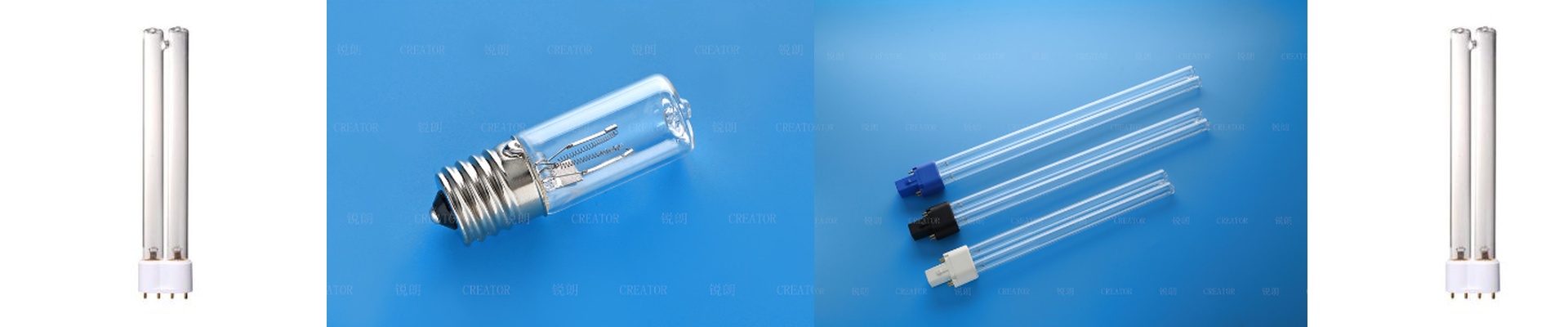
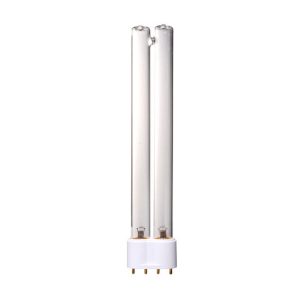
Getting Your PCB Exposure Right with Gallium Iodide Lamps
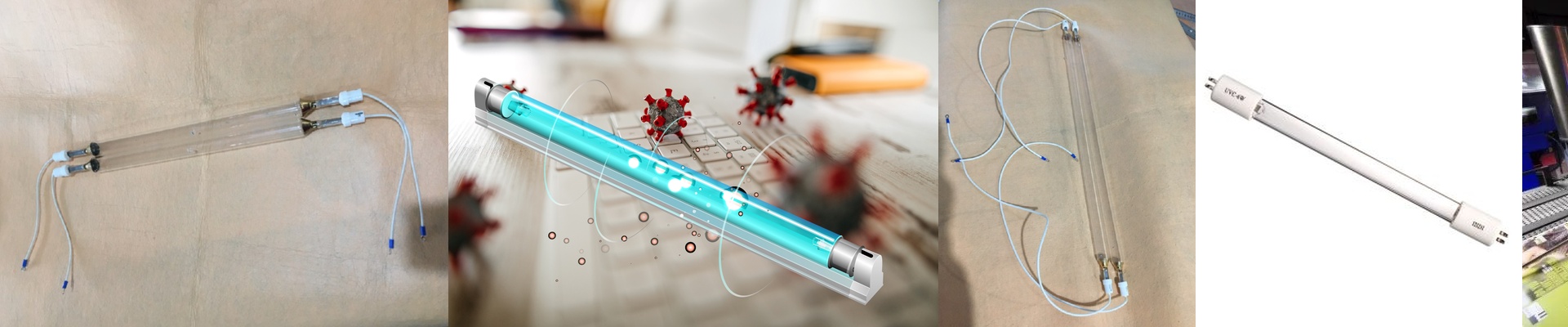
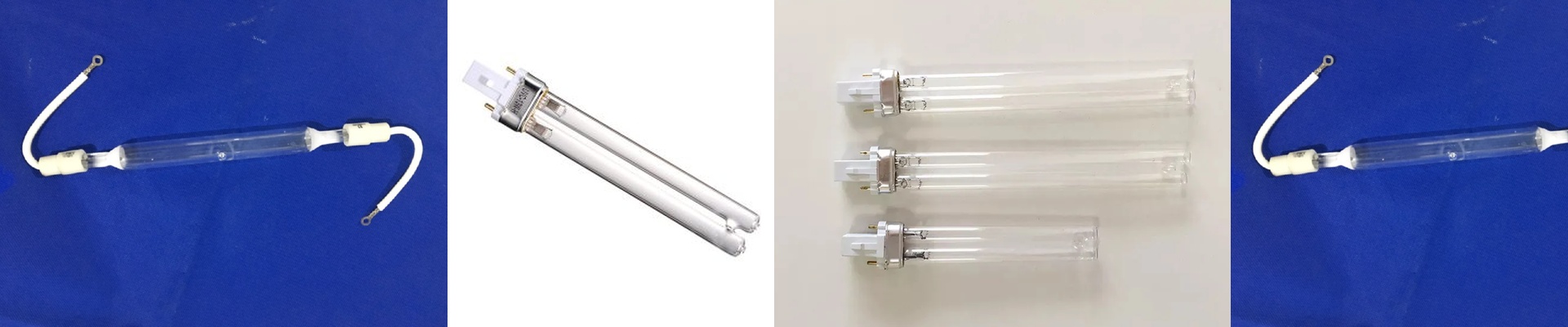
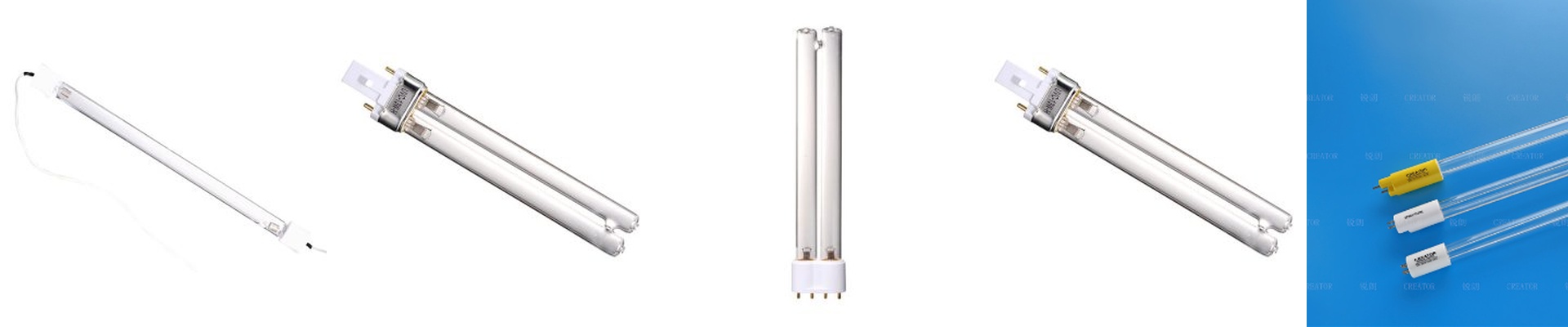
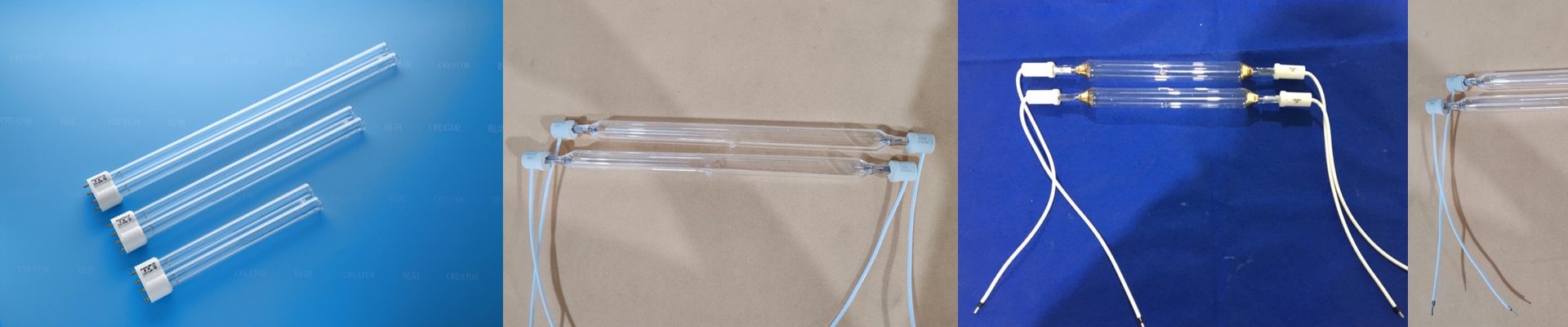
If you’re working with dry film photoresists, you know the struggle of getting those circuit patterns to actually look the way they do on your screen. That’s where gallium iodide lamps come in. They hit a very specific sweet spot—around 253.7 nm—which is exactly what the resist needs to trigger that chemical reaction and lock in your design. Why the wavelength actually matters Most UV lamps are a bit messy. They bleed into longer wavelengths, which is a problem. Gallium iodide is different because it keeps the energy tight and focused in the UVC range. Think of it like a sharp pencil versus a blunt crayon. When the light stays precise, it punches straight through the resist without scattering. If that wavelength drifts even a little, your edges get blurry and your traces start looking fuzzy. We keep the tolerances tight so your line-width stays the same from one corner of the board to the other. The heat problem (and how to handle it) Here’s the thing: these lamps gethot. Like, really hot. You can’t just plug them in and forget about them. While we build the housing to take a beating, your exposure machine needs a serious cooling setup. If the lamp overheats, two bad things happen: your light output drops and the tube dies way sooner than it should. It’s a bit of a balancing act. Higher wattage means you can crank out boards faster, but it puts a lot more stress on your fans and heat sinks. Keep an eye on your operating temps. It’s much easier to tweak a fan than it is to replace a burnt-out lamp. Pro setups for smaller shops You don’t need a million-dollar assembly line to get professional results. We wanted to make these systems work for the smaller print and PCB shops that just need things to work. Our lamps are basically drop-in replacements for older gear. Just wire them to a stable power supply, make sure your shielding is tight (UVC leaks are no joke—keep your eyes and skin safe), and you’re good to go. One last tip?**Keep your quartz glass spotless.**Even a tiny smudge of oil from your finger can bake onto the tube, create a hot spot, and ruin the lamp. Keep it clean, and it’ll treat you right.