Why Your UV Lamps Keep Failing (And How to Actually Fix It)
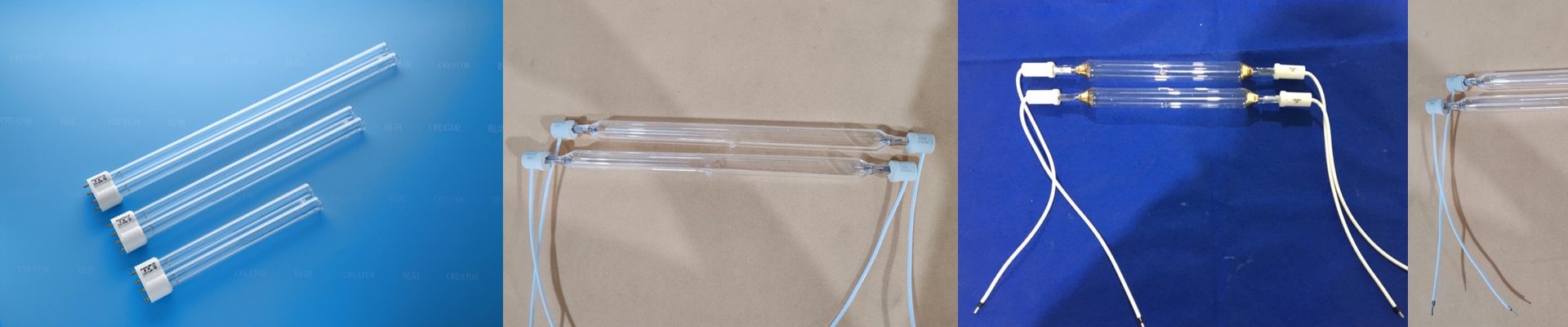
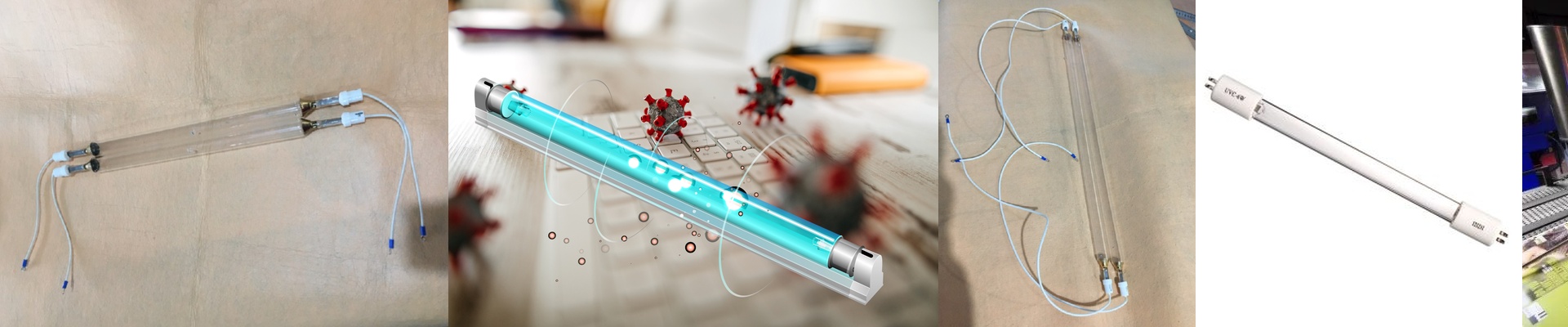
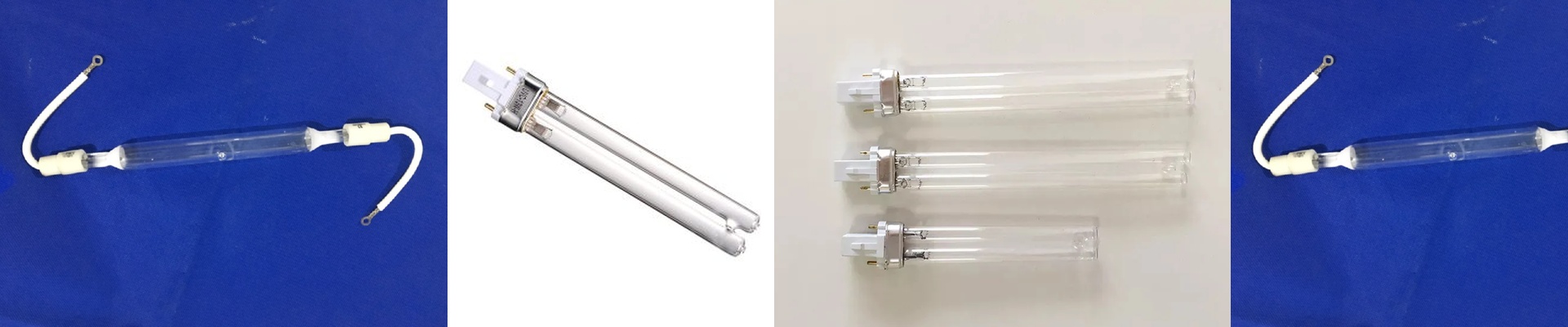
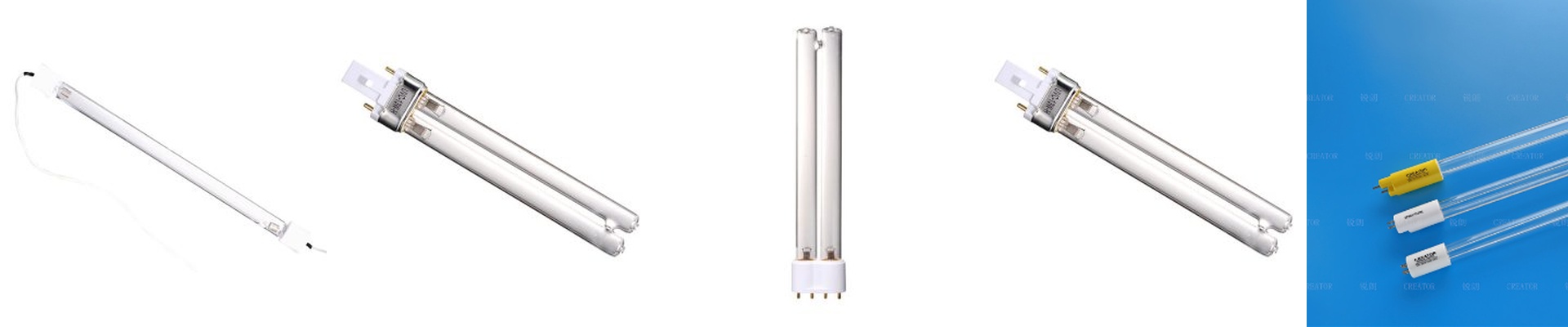
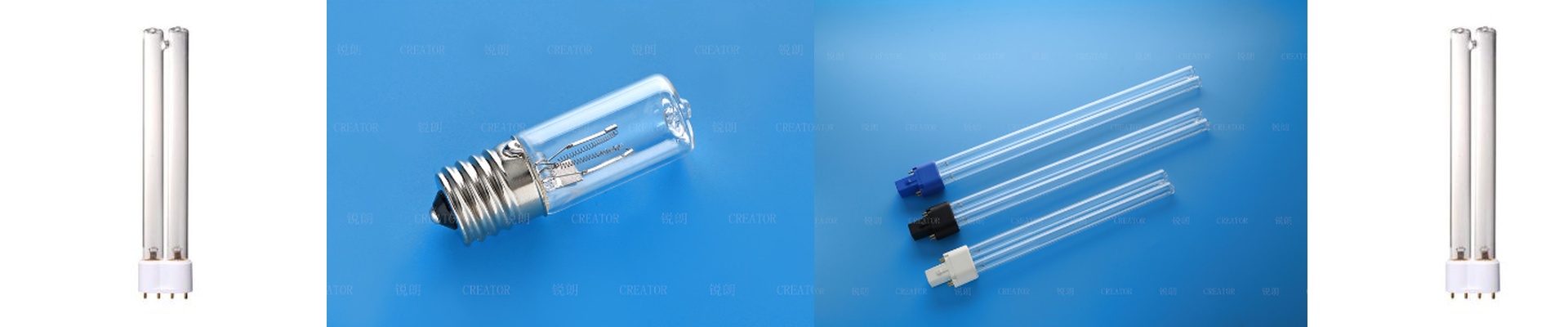
We’ve spent time in about 3,000 different printing plants. A lot. And we noticed a pattern: most shops are fighting the same two battles—ink that won’t cure and bulbs that burn out way too fast. Usually, people blame the bulb. But here’s the thing: the bulb is rarely the villain. The real issue is that the lamp wasn’t actually designed for the speed your line is running. Getting the light right Modern inks are picky. They need a very specific mix of UV-A and UV-C to set properly. We build our replacements to hit that sweet spot. If the power is too low, you end up with that annoying tacky feel on the surface. Too high? You’ll scorch the material. It’s a delicate balance. We also make sure the power is steady across the whole tube. Nobody wants to find “cold spots” or uncured streaks on a finished job. That’s a nightmare to fix. Dealing with the heat UV lamps get hot. Like, really hot. To stop the glass from cracking when the temperature spikes, we use high-purity synthetic quartz. It handles the stress of rapid heating and cooling without warping. But you should also take a look at your reflectors. If they’re pitted or look oxidized, you’re throwing away about 30% of your UV light. That forces the lamp to work harder and run hotter just to keep up, which kills the bulb faster. Swapping them out We made these as simple drop-in replacements. The footprint and the pins match your existing ballast exactly. You just pop them in. No rewiring, no messing around with custom brackets, no headache. One quick heads-up, though. If you go for a higher-output lamp to get more intensity, your cooling fans have to work harder. Just make sure your exhaust system can actually pull that extra heat away. If it can’t, you’re looking at a 20% shorter lifespan for your lamp. We build these things to survive the grit of a factory floor, but they still have to follow the laws of physics. Keep them cool, and they’ll keep working.