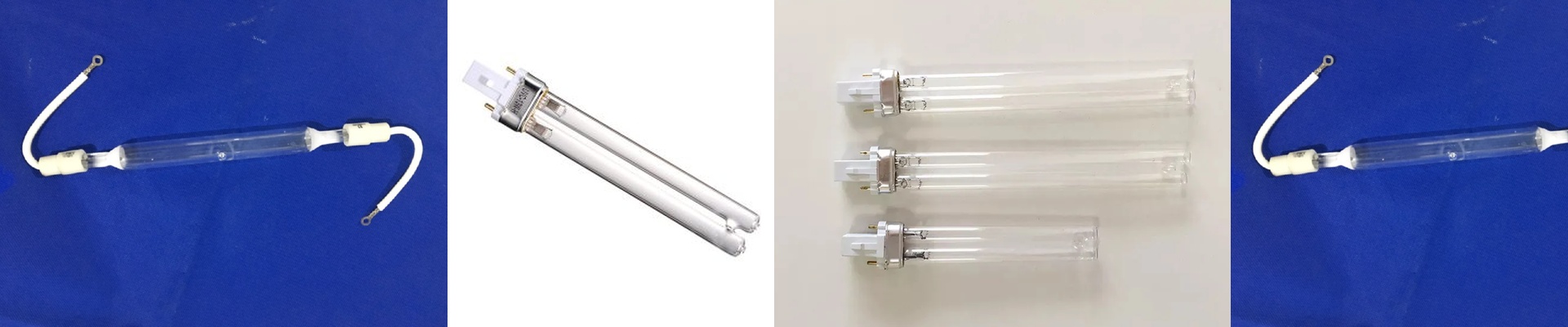
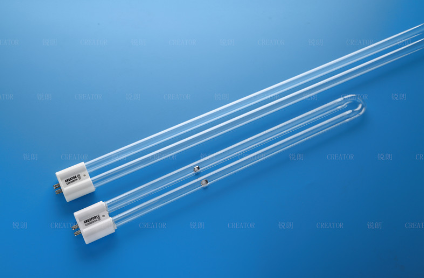
Stop Guessing With Your UV Lamps
Most UV systems are basically black boxes. You flip a switch, hear it hum, and just hope it’s putting out the right amount of power. You don’t actually know if it’s working until something goes wrong and you’ve got a quality failure on your hands. That’s a stressful way to run a line. So, we’re changing how these things are built.
Tracking Power in Real-Time
For a long time, the industry has relied on timers. You replace the lamp every X thousand hours, regardless of how it’s actually performing. It’s a waste. Some lamps die early. Others are still kicking at 80% efficiency long after the timer tells you to toss them. We decided to put current and voltage sensors right into the ballast. Now, you can see the actual power draw as it happens. If your 400W lamp starts dipping toward 320W because the electrode is wearing out, the system flags it. You replace the tube because it’s actually dying, not because a calendar told you to.
The Tech Side of Things
We’ve wired these sensors into Modbus or MQTT gateways. This means the data flows right into your PLC or a dashboard on your phone. We kept the hardware footprint tiny. And since UV arcs get incredibly hot, we used high-temp shielded cabling. We didn’t want the monitoring electronics to fry the moment the lamp warmed up.
The Honest Trade-offs
Look, adding smarts to a lamp isn’t free. Your initial bill will be a bit higher because you’re paying for the sensors and the comms module. But compare that to the cost of an unplanned shutdown. It’s a no-brainer. One thing to keep in mind, though: this isn’t magic. A sensor can tell you the lamp is pulling power, but it can’t see a layer of dust blocking the UV-C rays from hitting your product. You still have to wipe them down. We give you the data so you know when the lamp is fading, but the manual cleaning is still on you.