Getting the 253.7nm Sweet Spot Right
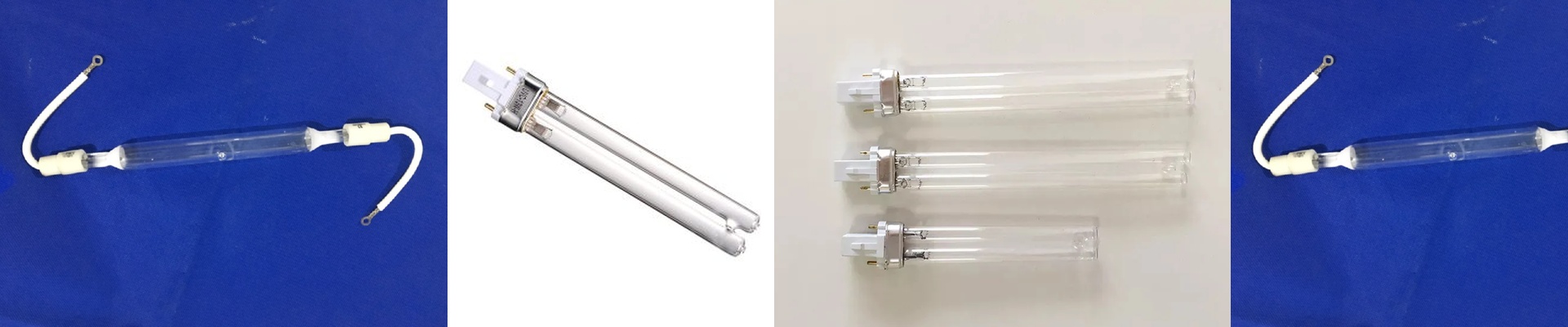
Most people just see a glowing glass tube. But for us? It’s all about hitting one very specific target: 253.7nm. That’s the magic number. It’s exactly where DNA and RNA soak up the most energy, which is how we actually break the bonds of microorganisms. If you’re off by even a few nanometers, your kill rate tanks. It’s a tight window, and there’s no room for “close enough.”
The Secret in the Mercury
To keep that output locked in, we lean on low-pressure mercury-vapor tech. Here’s the thing: by obsessing over the internal pressure and the purity of the argon and mercury mix, we cut out the “stray” light. You don’t want a broad, messy spectrum. You want a narrow, sharp beam. That way, the energy actually does the work of sterilizing instead of just wasting itself as heat or visible light.
The Quartz Struggle
You can’t just use any glass. Standard glass blocks UVC entirely. We use high-transmittance synthetic quartz because it lets those 253.7nm photons slide right through without getting trapped in the walls. But there’s a trade-off here. If we make the walls thicker, the bulb is tougher and harder to break. But thicker glass eats your UV output. It’s a balancing act. You have to decide if your bulbs are tucked away safely or exposed to the elements before picking the right thickness.
Dealing with Bulk Setups
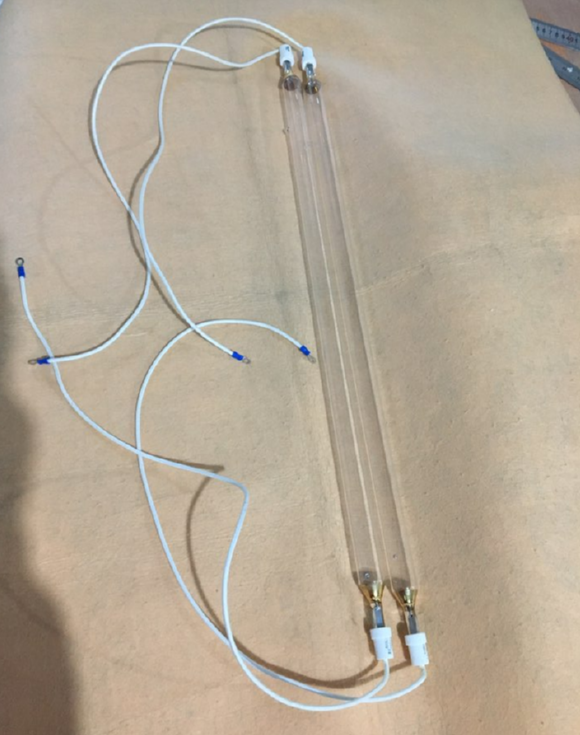
When you’re wiring up hundreds of these bulbs at once, power stability becomes a huge headache. A tiny dip in voltage can shift the plasma temperature inside the tube, and suddenly your output isn’t where it needs to be. We always suggest stabilized ballasts. It’s the only way to stop your bulbs from burning out way too early. And a quick heads-up: these high-output lamps get hot. Really hot. If your airflow isn’t designed to pull that heat away, the quartz can overheat. This leads to something called solarization—where the glass gets cloudy and kills your transmission. If you want your lamps to actually last as long as the box says they will, you’ve got to get the cooling right.