Introduction
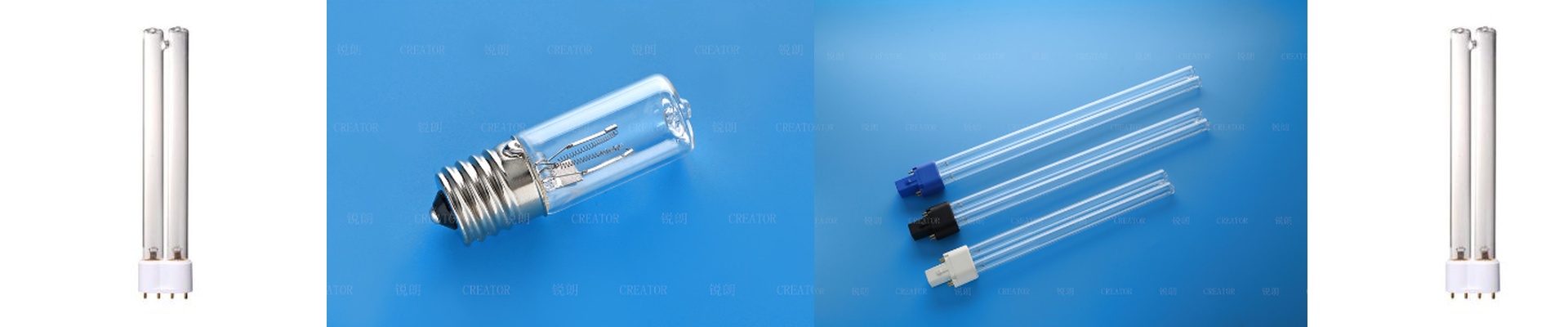
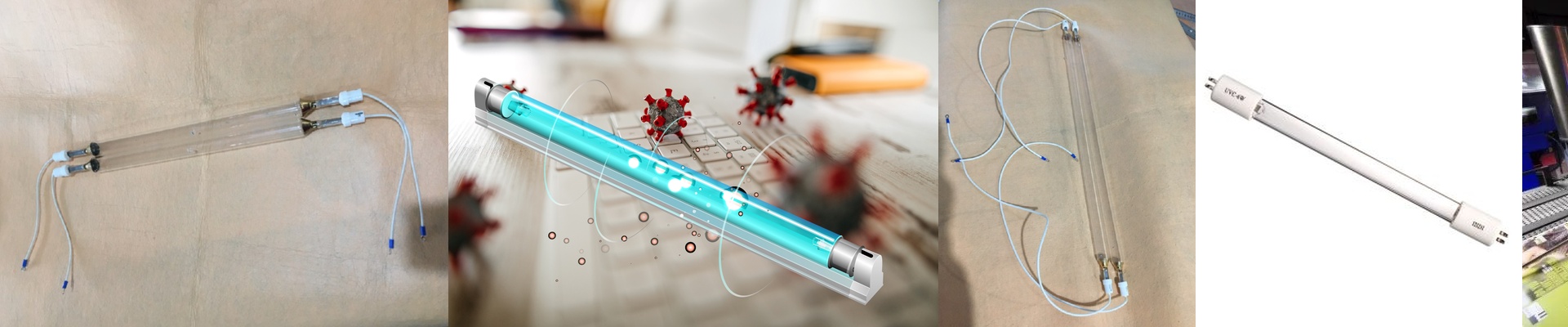
When you’re potting electronics, that UV curing lamp is the heartbeat of your whole operation. Seriously. We built these systems to give you a steady, high-powered blast of light—the kind that gets your encapsulant cured fast and properly. But here’s the thing: a lamp’s strength doesn’t last forever. Over time, the intensity fades. The only way to spot that dip before it wrecks a production run is to keep a close eye on it. A regular, no-nonsense check-in is your best defense.
The Power Behind the Light
Let’s talk about what makes that lamp tick. It all comes down to energy density, measured in millijoules per square centimeter. That number is a direct reflection of the lamp’s power and voltage. More wattage means a stronger UV output, but it also means you need a power supply that can truly handle the load. These lamps typically run on 400V to keep the electrical pressure steady across the arc. If your power supply is undersized, the lamp will choke, and you’ll end up with a cure that’s just… incomplete.
Why the Small Stuff Matters
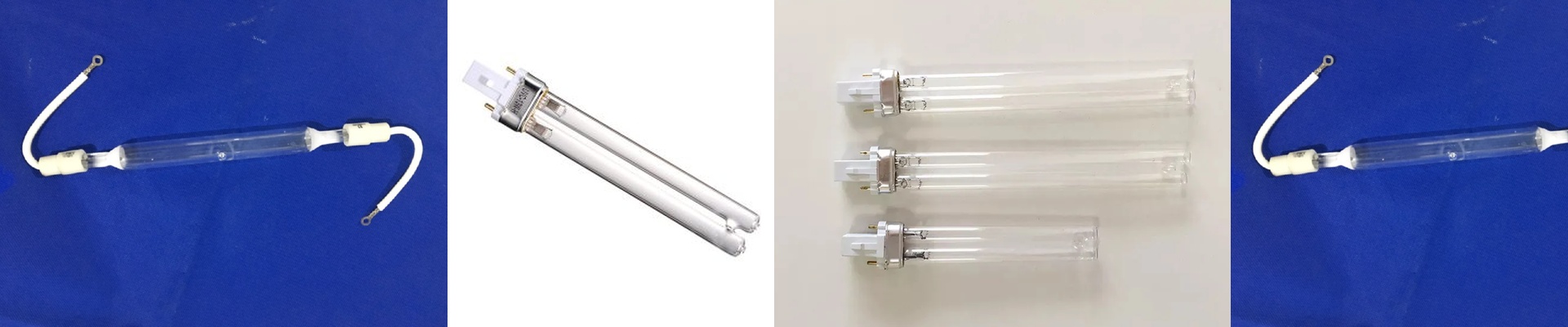
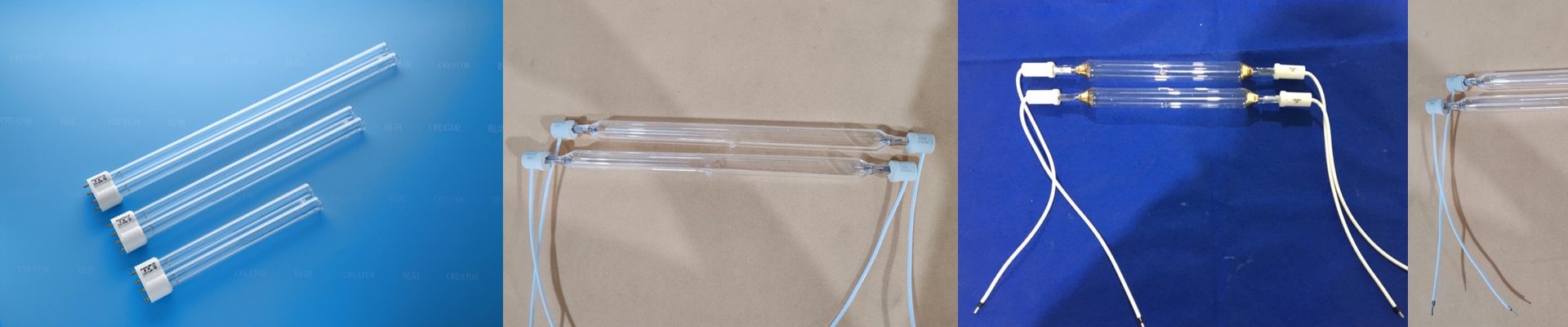
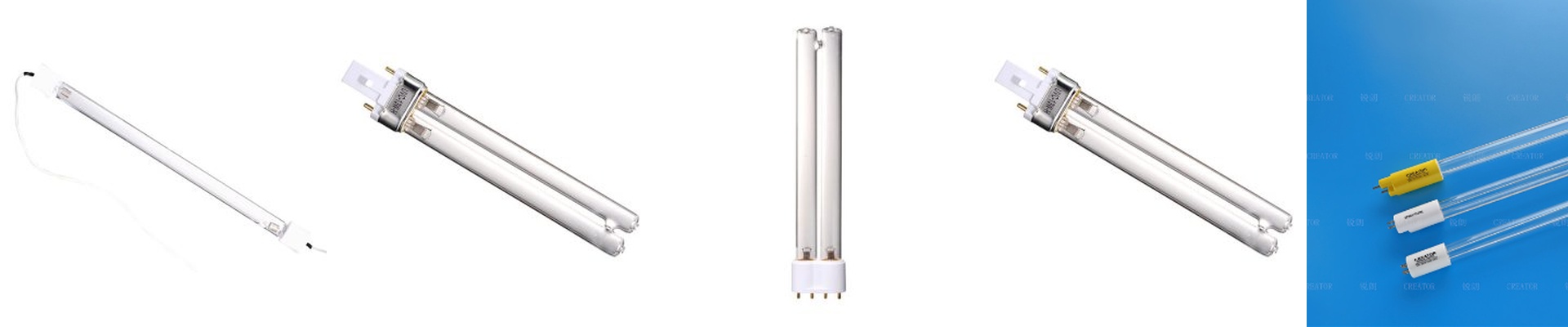
The quartz envelope on the lamp isn’t just there for looks. It’s coated to focus the UV spectrum exactly where your potting compound needs it. And that coating? It’s built to take the heat—and the shock—of being turned on and off again and again. Then there’s the R7s connector. It’s the industry standard for a reason. It gives you a solid, two-contact connection that can handle the high current without getting hot and causing problems. It’s a straight swap for most existing fixtures, so when it’s time for maintenance, you can get back online without a lot of downtime.
Real-World Use and Care
You get all that high-intensity curing power, but it comes with a trade-off: heat. A 2500W lamp throws off a lot of it, so your machine’s cooling system has to be up to the task. To keep your lamp in top shape, it’s as simple as using UV energy test strips. Just drop one in the curing zone now and then. If the strip doesn’t show the cure level you need, you’ve got a clear sign the lamp’s intensity is dropping. Time to swap it out. It’s a quick, easy check that saves you from scrap and keeps your line moving.