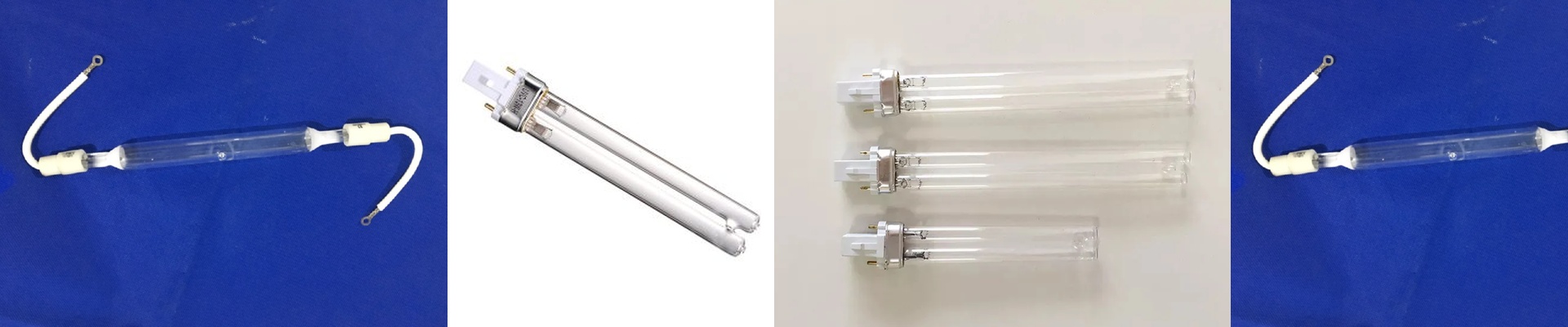
The Real Truth About UV Lamps in Industrial Printing
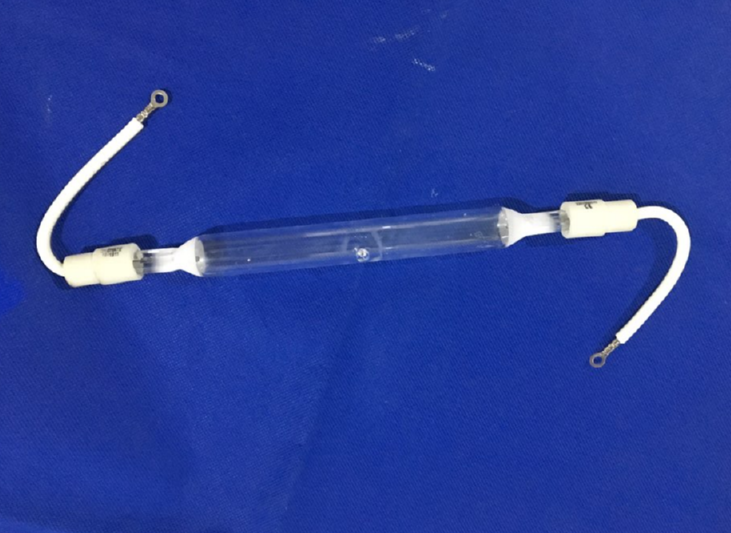
We spent some time visiting about 3,000 printing plants. Why? Because we wanted to see where these UV systems actually fall apart. Here is the thing: most designs look great on a computer screen. But once they hit a loud, hot, messy production floor? They burn out. They lose their punch. We’ve learned that getting the cure right isn’t about just cranking up the power. It’s about where that energy actually lands on your material. The Heat Struggle When you’re running a high-speed press, you need that ink to set now. But there’s a catch. If you cram too many watts into a short tube, you get a hotspot. That’s how you crack your quartz. We focus on spreading that energy out evenly. Now, if you’re running thick inks, you’ll need high wattage, but you can’t forget the cooling blowers. If you don’t strip that heat away fast enough, your lamp life plummets by 30%. It’s a brutal trade-off. Glass and Mirrors The glass actually matters. A lot. We stick with high-purity fused quartz. It lets more UV through and doesn’t freak out when things get hot. Then there’s the reflector. We’ve seen so many setups where the reflector is just… off. A bad angle can waste 40% of your light. We spend our time obsessing over the alignment. We make sure the lamp sits exactly where it needs to so the energy hits the ink, not the metal frame of your machine. Making it Actually Work in Your Shop Nobody wants to spend their weekend rewiring a cabinet. We get that. That’s why we design these to be drop-in replacements. We use standard connectors so you can swap a lamp and get back to work without a headache. One heads-up, though: if you go for those ultra-high-output lamps, you need a rock-solid power supply. If your power flickers, you’ll see “zebra stripes” across your prints. And trust me, that’s a nightmare to explain to a client.