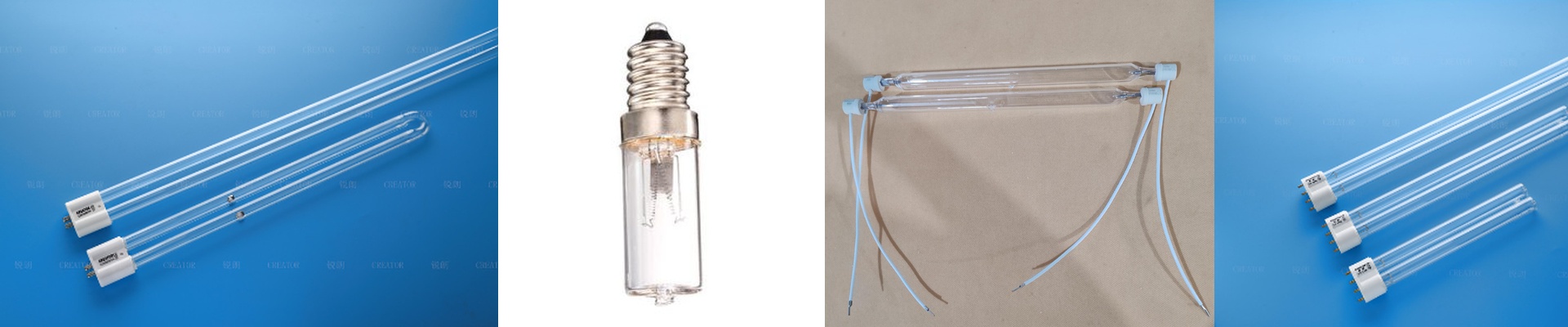
Making Your UV Brand Actually Last: The Truth About Mercury Tubes
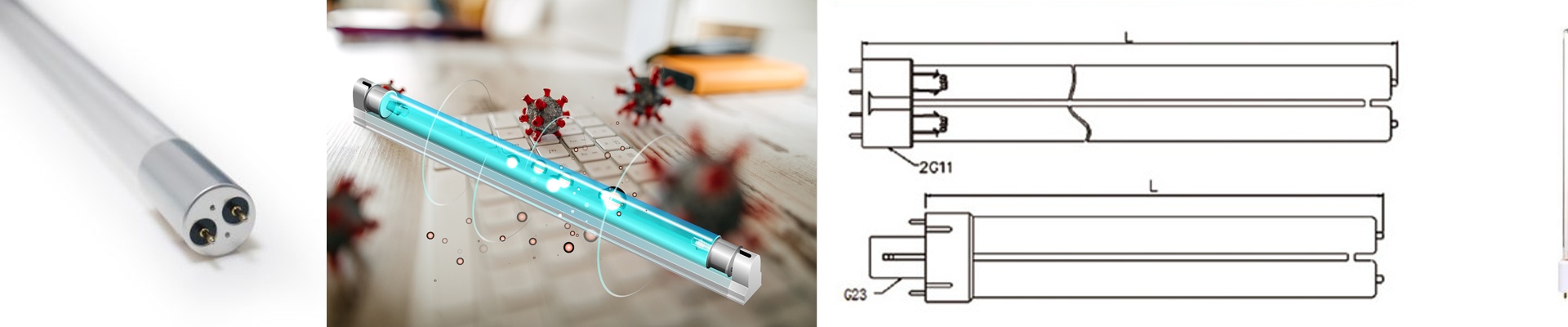
If you’re building your own UV curing brand through OEM, you know that the whole thing lives or dies by the mercury vapor tube. Let’s be clear: these aren’t your average light bulbs. They’re high-energy plasma lamps. Their only job is to hit resins and inks with enough power to make them harden instantly. If the tube fails, your whole production line stops.
The Secret to a Long Life
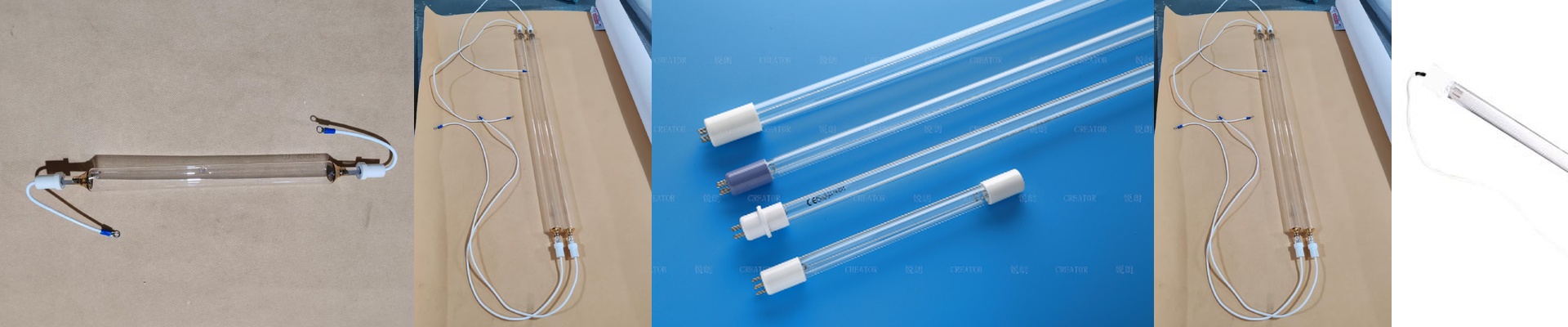
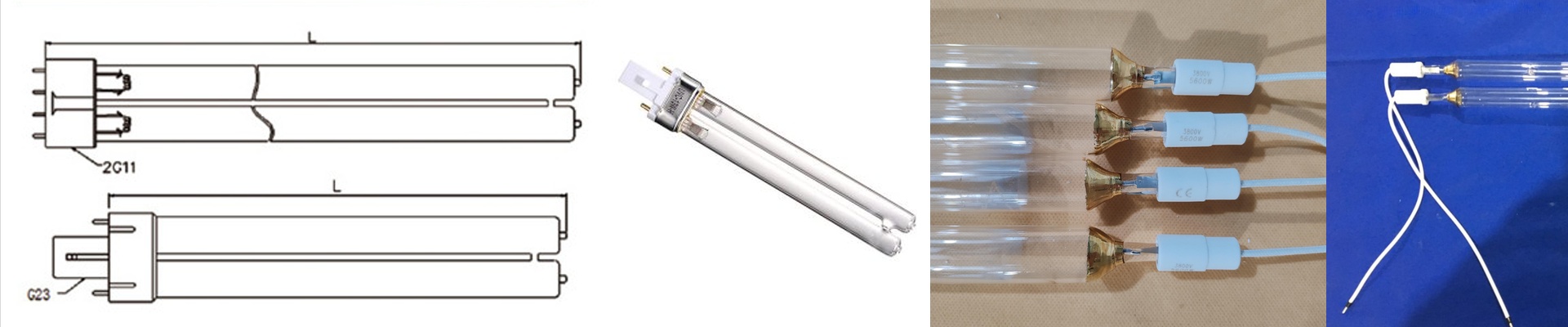
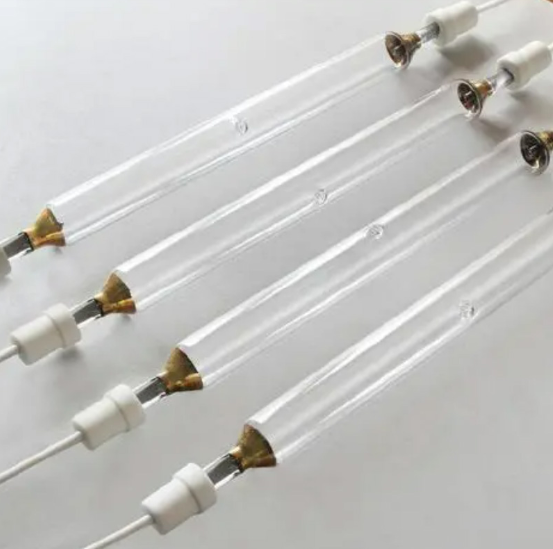
We use high-purity quartz glass for the housing. Why? Because it lets that shortwave UV radiation fly right through without getting stuck in the glass. But the real magic is in the mercury vapor pressure and what we put in the electrodes. If those electrodes wear out too fast, the tube just burns out. It’s frustrating. We build these to keep a steady stream of power for thousands of hours. That way, your customers don’t have to deal with that annoying “drop-off” where the light weakens and they’re forced to slow down their conveyor belts just to get a decent cure.
Getting the Specs Right
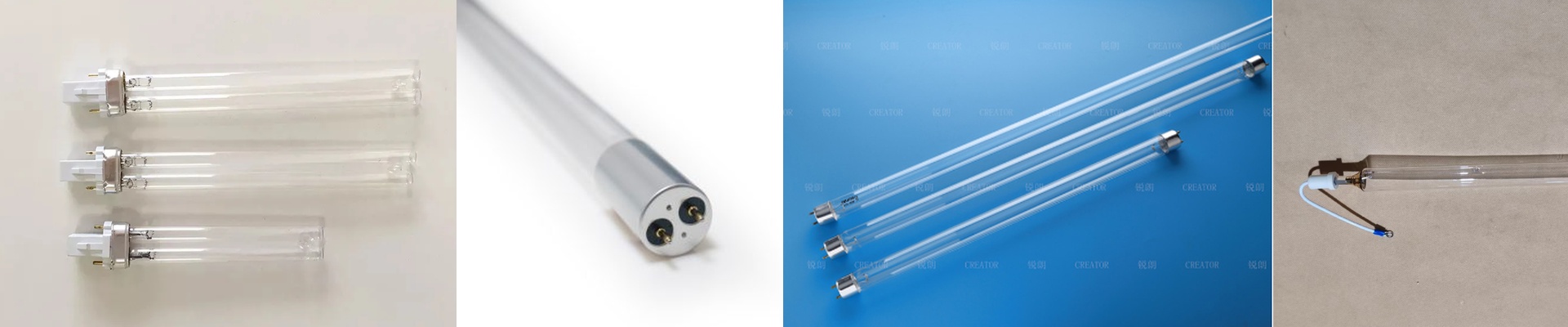
You can basically tailor these tubes to fit whatever footprint your machine has. We can tweak the wattage and the length to make sure you’re hitting the right UV dose. Just a heads-up: cranking up the wattage makes things cure faster, but it puts a lot more stress on your power supplies. You’ll want to make sure your ballasts match the tube’s voltage, or you’re looking at a premature arc failure. Not a fun way to spend a Tuesday. We also handle the end-cap setups. Whether you need a specific pin layout or a weird custom length, we’ve got you. The most important part? The seal between the quartz and the electrode has to be airtight. One tiny leak and the tube is toast.
Dealing with the Heat
Here’s the thing: high-output mercury tubes gethot. Like, really hot. You want the UV light, but the infrared heat that comes with it is a total pain. If your cooling fans or water jackets aren’t up to the task, the quartz envelope will overheat. When that happens, you get “solarization.” The glass starts to cloud over, which blocks the UV light from getting out. It’s like trying to see through a foggy window. To keep your lifespan consistent, you just have to find that sweet spot between your cooling power and the tube’s wattage. Keep it cool, and it’ll keep working.